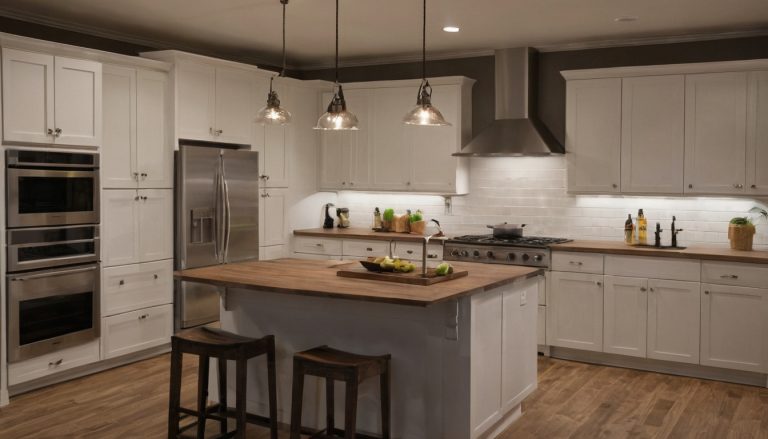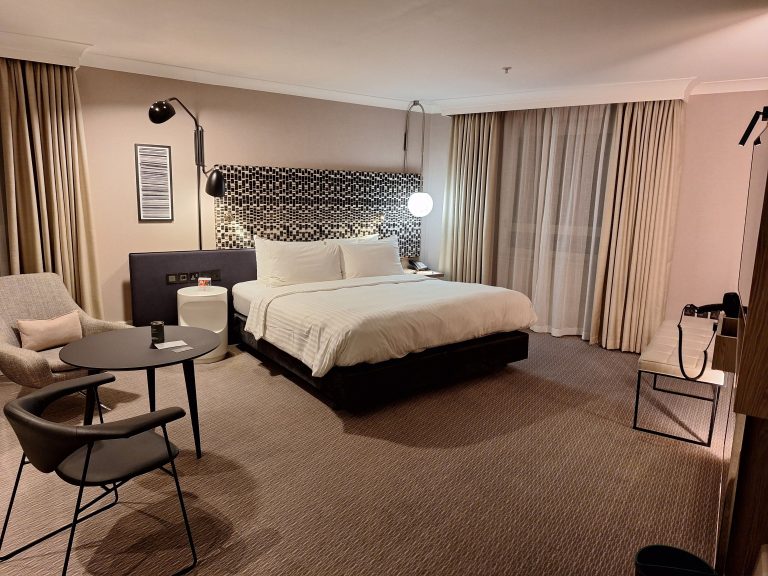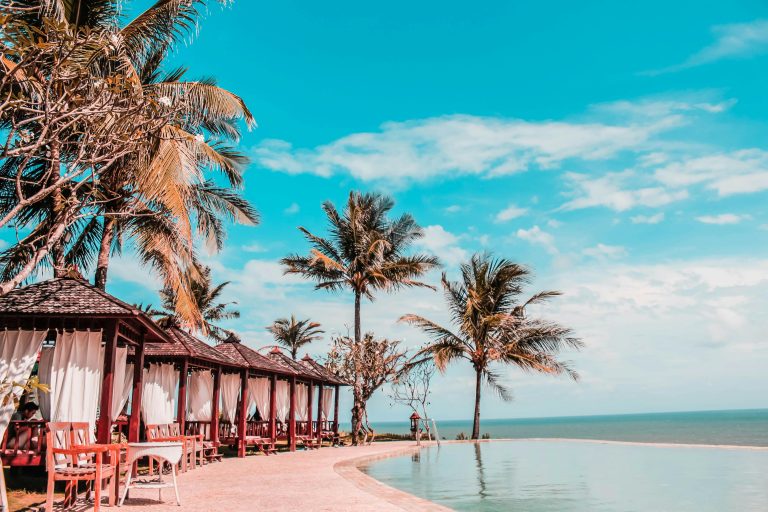
Picture this: You descend into your lower level, expecting to see that forgotten basement corner where old exercise equipment gathers dust. Instead, you’re greeted by the gentle sound of cascading water, the shimmer of an infinity edge that seems to float weightlessly into the horizon, and air infused with therapeutic minerals that immediately calm your senses. This isn’t a fantasy—it’s the reality that visionary designers are creating in luxury homes across the globe in 2026.
The problem with most indoor pools is that they feel like afterthoughts—sterile, clinical spaces that serve a single function. But what if your aquatic space could be a multi-sensory wellness sanctuary that rivals the world’s most exclusive spa resorts? The difference lies in understanding how to integrate advanced hydrotherapy systems, infinity edge technology, and therapeutic mineral delivery in ways that transform water from mere recreation into a tool for profound wellness transformation.
The wellness revolution reshaping luxury aquatic design
The luxury pool industry has undergone a seismic shift in the past two years. Where homeowners once prioritized size and visual impact, today’s discerning clients demand spaces that actively contribute to their physical and mental well-being. This evolution mirrors broader trends in luxury wellness studio design, where every element serves both aesthetic and therapeutic purposes.
According to the Global Pool & Spa Alliance, wellness-focused pool installations increased by 147% between 2023 and 2025, with therapeutic mineral integration systems leading the growth. The shift represents more than a trend—it’s a fundamental reimagining of what luxury aquatic spaces can achieve.
| Feature Category | 2023 Installation Rate | 2025 Installation Rate | Growth Percentage |
|---|---|---|---|
| Infinity Edge Systems | 23% | 61% | 165% |
| Mineral Integration | 18% | 54% | 200% |
| Hydrotherapy Jets | 31% | 73% | 135% |
| Smart Climate Control | 12% | 48% | 300% |
Understanding the psychology of aquatic wellness
Master designers recognize that effective wellness design begins with understanding how water affects human psychology. The sound frequencies of moving water naturally reduce cortisol levels, while properly designed lighting systems can regulate circadian rhythms. When you combine these elements with strategic mineral infusion, you create an environment that actively promotes healing.
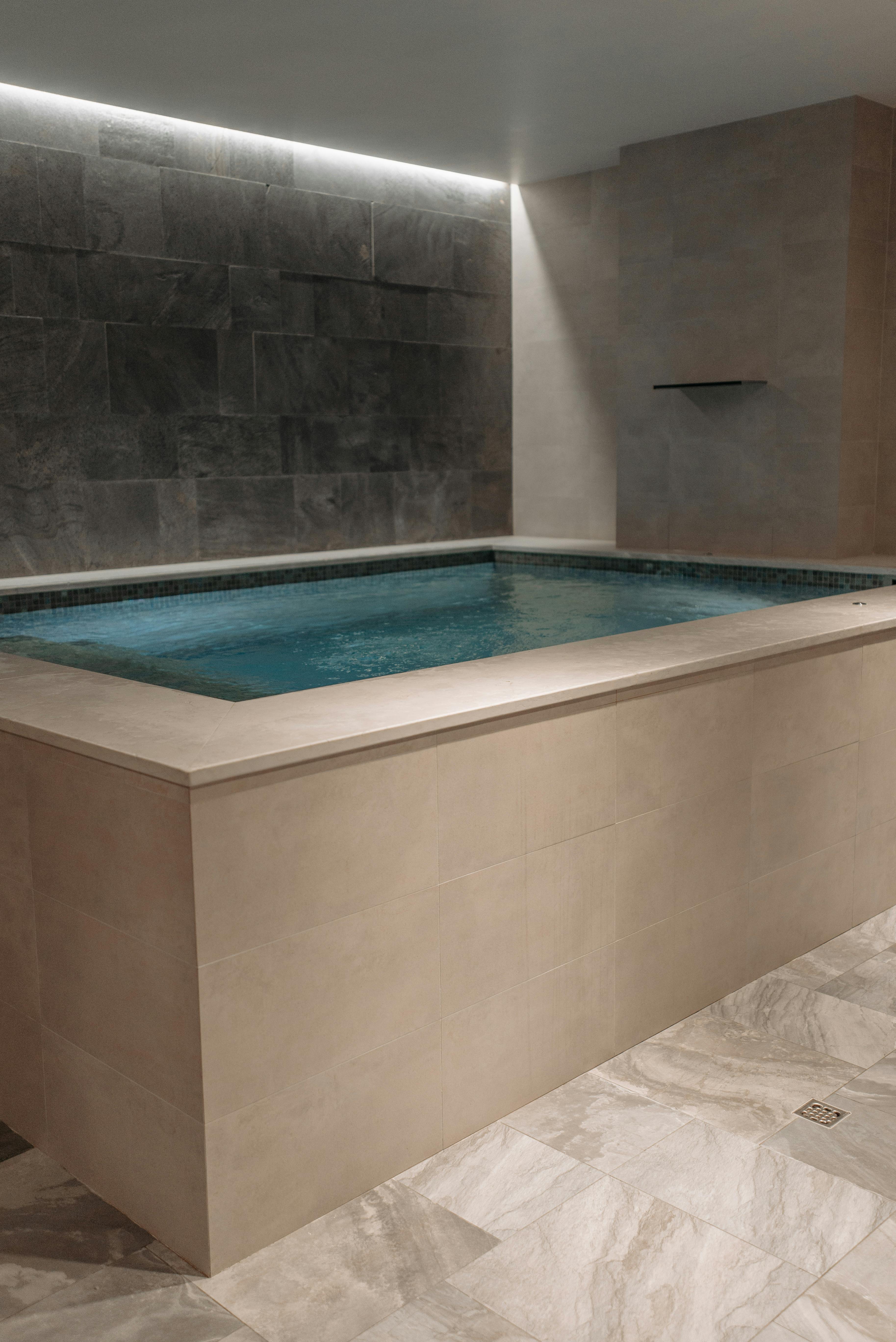
This Photo was taken by Pavel Danilyuk.
The most successful transformations integrate biophilic design principles that mirror natural water environments. Think beyond the traditional rectangular pool toward organic shapes that mimic natural lagoons, with varying depths that encourage different types of movement and therapy.
Engineering infinity edge systems for indoor environments
Creating an infinity edge effect indoors requires sophisticated engineering that most designers get wrong. The challenge isn’t just aesthetic—it’s about managing water dynamics, humidity control, and structural integration in ways that maintain the illusion while protecting your home’s infrastructure.
The hidden complexity of indoor infinity systems
Unlike outdoor infinity pools that can overflow into landscapes, indoor systems must create the visual effect while containing and recycling every drop. This requires precision-engineered catch basins, variable-speed pumps that adjust to changing conditions, and integration with your home’s HVAC system to manage the increased humidity load.
The breakthrough innovation in 2025 was the development of micro-edge technology, which creates the infinity effect with minimal water flow rates. This reduces both energy consumption and the complexity of humidity management while maintaining the dramatic visual impact.
Critical design considerations for indoor infinity edges
The most common failure point in indoor infinity installations is inadequate structural planning. The additional load from catch basins and pumping systems requires reinforced foundations that must be planned during initial construction phases. Retrofit installations face significantly higher complexity and cost due to these structural requirements.
Water chemistry becomes exponentially more critical in closed-loop infinity systems. The constant circulation and evaporation concentrate minerals and treatment chemicals in ways that can damage expensive edge materials. Successful installations incorporate real-time monitoring systems that automatically adjust chemical levels to protect both swimmers and infrastructure.
Therapeutic mineral integration systems that actually work
The promise of therapeutic mineral integration often exceeds the reality in many luxury pool installations. The challenge lies in delivering therapeutic concentrations of beneficial minerals while maintaining water chemistry balance and system compatibility. The most effective systems don’t just add minerals—they create complete therapeutic water profiles tailored to specific health outcomes.
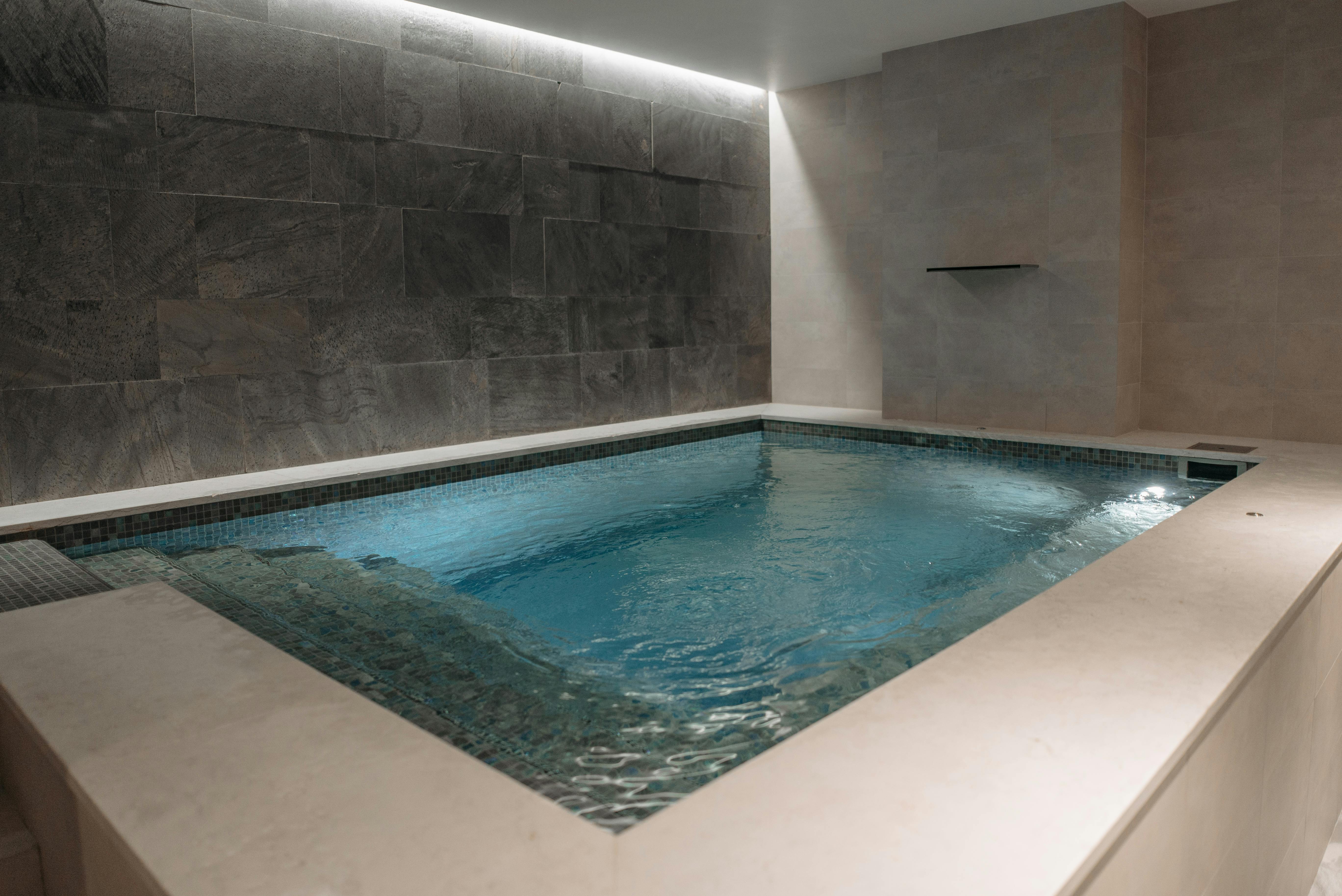
This Photo was taken by Pavel Danilyuk.
The science behind effective mineral delivery
Therapeutic mineral integration requires understanding bioavailability through skin absorption. Magnesium chloride, for example, absorbs through skin more effectively than magnesium sulfate, but only at specific concentrations and temperatures. The most advanced systems use multi-stage injection that adjusts mineral profiles based on water temperature and intended use.
Research from the International Journal of Therapeutic Applications shows that properly configured mineral systems can deliver measurable therapeutic benefits, including improved sleep quality, reduced inflammation, and enhanced recovery from physical exertion. The key is precision dosing that maintains therapeutic levels without overwhelming filtration systems.
Integration with existing pool systems
Many mineral systems fail because they’re added as afterthoughts to existing filtration and chemical management systems. Successful installations integrate mineral delivery with primary water treatment, using compatible filtration media and automated monitoring that adjusts both traditional chemicals and mineral concentrations simultaneously.
The latest systems incorporate AI-driven management that learns usage patterns and adjusts mineral profiles accordingly. If the system detects heavy usage periods, it can pre-adjust mineral concentrations to maintain therapeutic levels even with increased bather load.
Hydrotherapy zone design for maximum therapeutic impact
Creating effective hydrotherapy zones requires understanding how different water pressures, temperatures, and flow patterns affect the human body. The most sophisticated installations incorporate multiple therapy modes within a single pool environment, each designed for specific wellness outcomes.
Pressure therapy integration
Modern hydrotherapy systems move beyond simple spa jets toward targeted pressure therapy that can address specific muscle groups and circulation patterns. Variable-pressure systems allow users to customize intensity levels, while programmable sequences can deliver therapeutic protocols developed by physical therapists and wellness professionals.
The integration of these systems with luxury spa bathroom design creates seam