Picture this: a pristine butler’s pantry where bone china worth more than luxury cars sits in museum-quality display cases, while professional-grade prep stations hum with the efficiency of a Michelin-starred restaurant. Yet behind the scenes, most homeowners struggle with cramped pantries that barely accommodate basic storage, let alone the sophisticated service infrastructure that defines true luxury living. The disconnect between aspiration and reality has never been wider.
In 2025, visionary designers are rewriting the rules of culinary support spaces, transforming forgotten corners into sophisticated service sanctuaries that rival the world’s finest hotels. These aren’t just storage rooms with pretty shelving – they’re architectural masterpieces where form meets function at the highest level. You’re about to discover how today’s most innovative designers create these extraordinary spaces and why the traditional pantry model is becoming obsolete in luxury homes.
Beyond storage: the evolution of culinary command centers
The modern luxury butler’s pantry represents a fundamental shift from simple storage to sophisticated culinary infrastructure. Today’s designs incorporate professional-grade catering stations, climate-controlled environments, and display systems that would make museum curators envious. These spaces serve as the operational backbone of luxury entertaining, where seamless service begins long before guests arrive.
Recent industry data reveals that luxury home buyers now prioritize butler’s pantries over traditional formal dining rooms, with 73% of high-end properties featuring expanded pantry systems. This shift reflects changing lifestyle patterns where sophisticated entertaining happens more frequently but with greater emphasis on behind-the-scenes preparation and presentation quality.

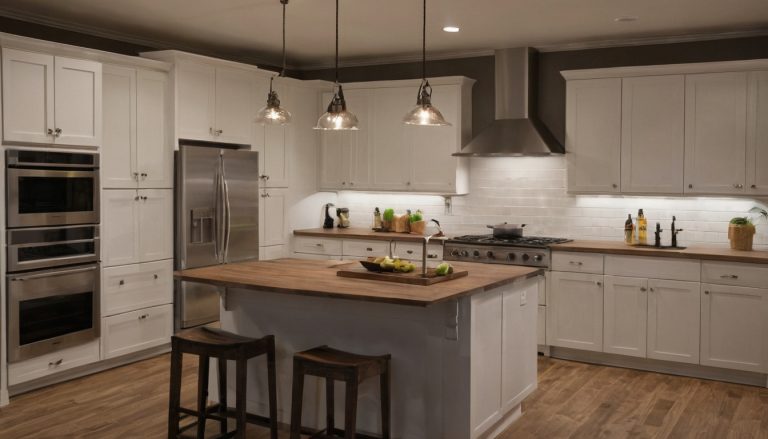
This Photo was taken by Rachel Claire.
The most successful transformations begin with understanding the space as a professional kitchen’s support system rather than an enlarged closet. Leading designers now incorporate dedicated zones for different functions: refrigerated storage for flowers and delicate items, warming drawers for service coordination, and specialized storage for everything from crystal stemware to serving platters. These luxury kitchen transformations extend naturally into pantry design, creating cohesive culinary ecosystems.
Professional catering infrastructure at home
Restaurant-style service demands restaurant-quality infrastructure. Modern luxury pantries feature commercial-grade refrigeration systems with precise temperature controls, multiple ice makers for different service needs, and warming systems that maintain food quality during extended service periods. The key lies in understanding that these aren’t just appliances – they’re the mechanical foundation of effortless hospitality.
Temperature staging represents one of the most sophisticated aspects of modern pantry design. Multiple refrigerated zones maintain different serving temperatures simultaneously, while warming drawers keep plates at optimal temperature for service. This level of coordination requires careful planning and substantial mechanical infrastructure, often rivaling the complexity found in professional kitchens.
| Service Function | Temperature Range | Professional Equipment |
|---|---|---|
| Cold Appetizer Storage | 35-38°F | Under-counter refrigeration with glass doors |
| Wine Service Preparation | 45-55°F | Temperature-controlled wine storage |
| Plate Warming | 140-180°F | Commercial warming drawers |
| Ice Service | 32°F | Multiple ice makers with storage |
Museum-quality display architecture for precious collections
The finest luxury pantries transform china and crystal storage into gallery-worthy displays that celebrate the beauty of exceptional craftsmanship. These aren’t utilitarian shelves hidden behind closed doors – they’re sophisticated display systems that protect valuable collections while showcasing them as the art objects they truly are.
Museum-quality display requires understanding both preservation and presentation. Leading designers incorporate LED lighting systems with UV protection, humidity controls that protect delicate materials, and security features that rival those found in actual galleries. The result is storage that functions as exhibition space, where every piece receives the reverence it deserves.
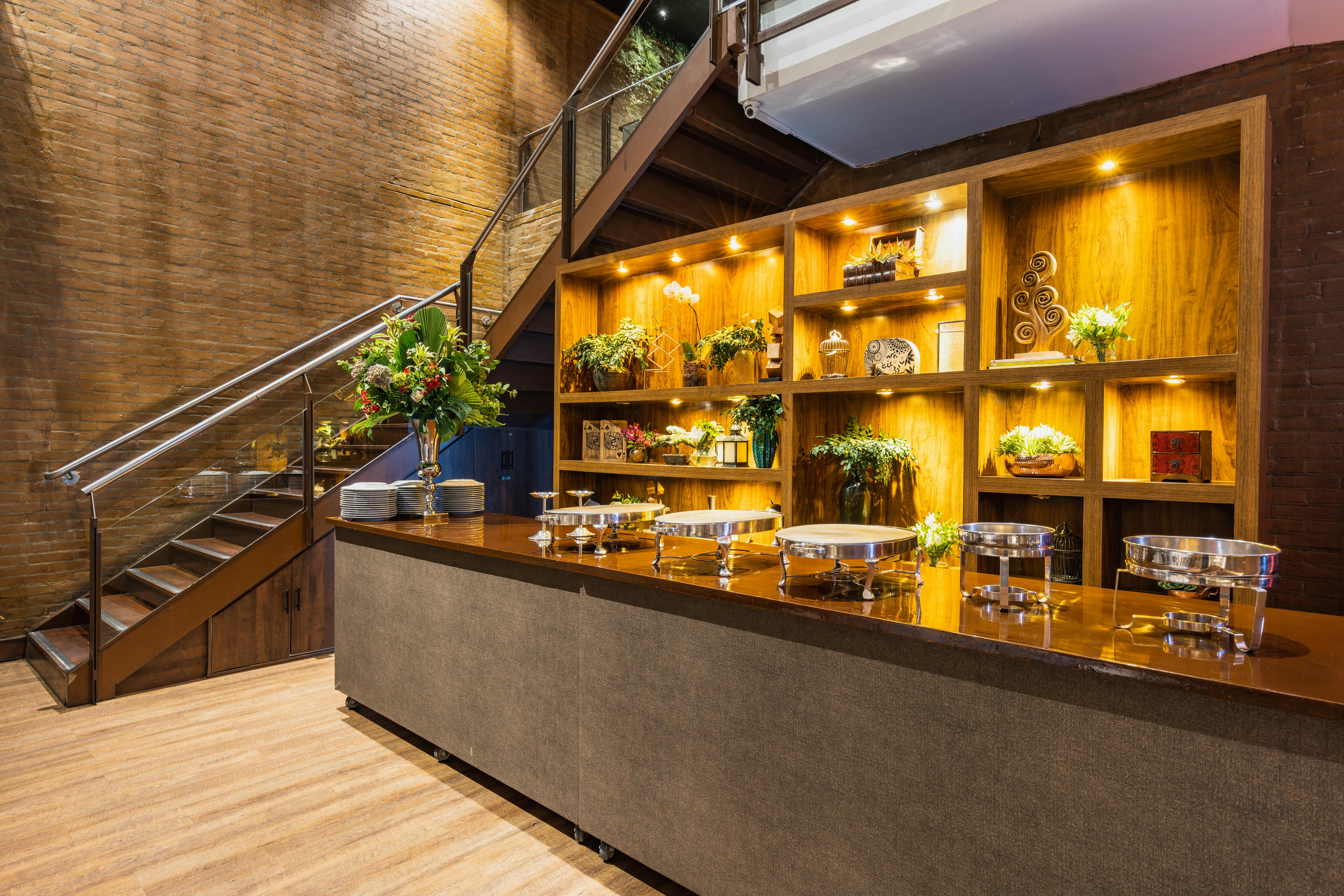
This Photo was taken by Matheus Bertelli.
Climate control becomes critical when dealing with valuable collections. Bone china, crystal, and antique serving pieces require stable temperature and humidity levels to prevent damage over time. Advanced pantry designs incorporate independent HVAC systems that maintain optimal conditions regardless of kitchen activity or seasonal changes.
Custom millwork for individual collections
Every serious collector knows that generic storage solutions fail to accommodate the unique requirements of exceptional pieces. Custom millwork designed around specific collections ensures that each item has its designated place while remaining easily accessible for service. This approach transforms storage from compromise to celebration.
The most sophisticated installations feature adjustable shelving systems that adapt to changing collections, specialized compartments for different piece types, and integrated lighting that highlights the beauty of displayed items. These custom millwork solutions extend far beyond simple carpentry to become architectural features that define the space’s character.
Architectural integration and spatial flow design
Exceptional butler’s pantries function as bridges between kitchen and dining areas, facilitating smooth service flow while maintaining separation between preparation and presentation spaces. This requires careful attention to traffic patterns, door placement, and sightlines that preserve the magic of seamless service.
The most successful designs incorporate multiple access points that allow staff to move efficiently without disrupting guest areas. Service corridors, when space permits, create dedicated pathways that keep preparation activities completely separate from entertainment spaces. This level of planning transforms good design into extraordinary hospitality infrastructure.
Acoustical considerations play a crucial role in maintaining the illusion of effortless service. Sound-dampening materials, carefully planned mechanical systems, and strategic placement of noise-generating appliances ensure that preparation activities remain invisible to guests. These details separate amateur efforts from professional-quality installations.
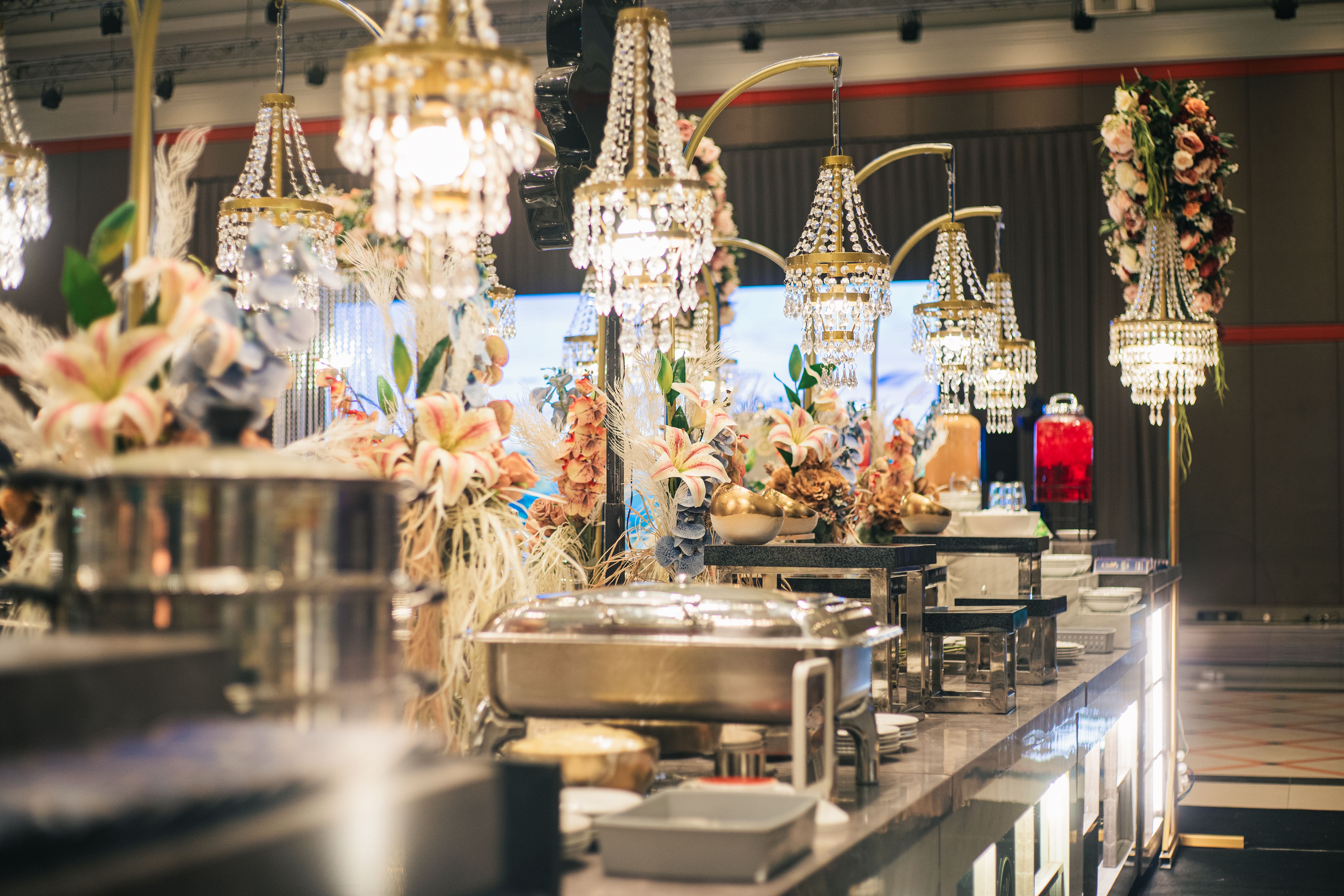
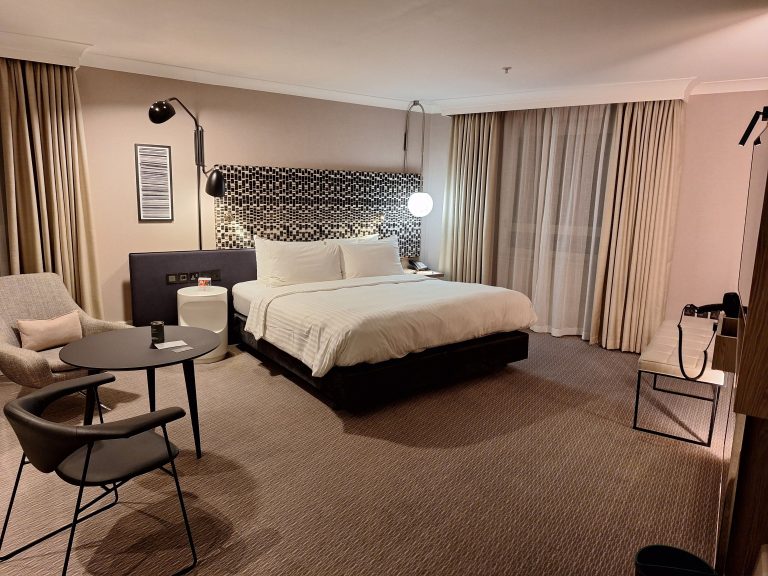
This Photo was taken by Miff Ibra.
Technology integration for modern service
Contemporary luxury pantries incorporate sophisticated technology systems that coordinate service activities and maintain optimal storage conditions. Smart inventory management, automated climate controls, and integrated communication systems bring 21st-century efficiency to traditional service concepts.
Digital inventory systems track china patterns, crystal collections, and seasonal serving pieces, ensuring that nothing gets forgotten in remote storage areas. These systems often integrate with broader smart home office systems that coordinate household management activities.
Material selection and artisanal craftsmanship
The materials chosen for luxury butler’s pantries must balance beauty with functionality, creating spaces that inspire daily use while withstanding the demands of serious entertaining. Natural stones, exotic hardwoods, and custom metalwork define spaces that feel both practical and precious.
Marble and granite surfaces provide durability for food preparation while adding luxury aesthetic appeal. However, material selection goes far beyond appearance – each surface must perform specific functions while contributing to the space’s overall design narrative. Antimicrobial properties, stain resistance, and ease of maintenance become as important as visual impact.
Hardware selection represents another opportunity to elevate functional elements into design features. Custom pulls, hinges, and closure mechanisms that operate smoothly under heavy use while maintaining their appearance over time require investment in quality that pays dividends through years of daily service.
Lighting design for both function and drama
Exceptional lighting transforms utilitarian spaces into theatrical settings while providing the illumination necessary for detailed food preparation and presentation. Layered lighting systems incorporate task lighting for work areas, accent lighting for displays, and ambient lighting that creates the appropriate mood for different activities.
LED technology allows for precise color temperature control that flatters both food and fine china while providing the crisp illumination necessary for detailed work. Programmable systems adapt lighting throughout the day, supporting different activities from morning coffee service to evening entertainment preparation.

This Photo was taken by Odin Reyna.
The psychology of seamless hospitality
Great butler’s pantries succeed because they understand that exceptional hospitality appears effortless while requiring tremendous behind-the-scenes coordination. These spaces provide the infrastructure that allows hosts to focus on their guests rather than logistics, creating the mental freedom that defines gracious entertaining.
The psychological impact extends to household staff as well. Well-designed work environments improve efficiency and job satisfaction, leading to better service quality. When people take pride in their workspace, that pride translates directly into the quality of their work.
Storage accessibility plays a crucial role in daily functionality. Items used regularly must remain easily reachable, while seasonal or specialty pieces can be stored in less convenient locations. This hierarchy of access ensures that the space supports rather than hinders daily activities. Similar principles apply to luxury closet design where organization supports lifestyle rather than complicating it.
Maintenance and long-term functionality
Luxury butler’s pantries represent significant investments that must maintain their functionality and appearance over decades of use. This requires selection of materials and systems that age gracefully while providing easy maintenance access for mechanical components.
Preventive maintenance programs become essential for preserving climate control systems, specialized appliances, and custom millwork. Many luxury homeowners establish relationships with specialized service providers who understand the unique requirements of high-end installations.
Case studies in transformation excellence
Recent transformations demonstrate the remarkable potential hidden in underutilized spaces. A 2024 project in Aspen transformed a former maid’s room into a 200-square-foot butler’s pantry featuring temperature-controlled wine storage, a full coffee service station, and museum-quality display cases for the owner’s collection of 18th-century Sèvres porcelain.
Another notable transformation in the Hamptons converted unused space adjacent to the kitchen into a comprehensive catering center complete with blast chilling capabilities, multiple warming zones, and a dedicated flower preparation area with its own refrigeration system. The space now supports events for up to 150 guests with minimal impact on the main kitchen.
These transformations share common elements: careful space planning that maximizes functionality, material selections that balance beauty with durability, and mechanical systems that provide professional capabilities within residential constraints. The investment required – typically ranging from $150,000 to $500,000 for comprehensive installations – reflects the complexity and quality of these specialized spaces.
Integration with other luxury spaces creates cohesive entertaining environments. Modern designs often connect butler’s pantries with wine cellars and formal dining spaces, creating seamless service corridors that support sophisticated entertaining.
Investment considerations and return value
Quality butler’s pantries represent one of the highest-return investments in luxury home renovation. Properties featuring professionally designed pantries command premium prices and sell more quickly than comparable homes without these amenities. The investment typically returns 85-95% of costs in increased property value while providing immeasurable lifestyle benefits during ownership.
However, success requires professional design and execution. Amateur installations often fail to provide the functionality that justifies the investment while potentially creating maintenance headaches that diminish rather than enhance the ownership experience.
Budget allocation should prioritize mechanical systems and structural modifications that cannot be easily upgraded later. Surface materials and millwork, while important, can be modified more easily than infrastructure elements like refrigeration, electrical, and HVAC systems.
Working with specialized professionals
Successful butler’s pantry transformations require collaboration between specialists who understand both luxury residential design and commercial kitchen functionality. This unique combination of skills is essential for creating spaces that meet both aesthetic and operational requirements.
The design process typically involves kitchen designers familiar with commercial equipment, millwork specialists who understand climate control requirements, and contractors experienced with complex mechanical installations. Project management becomes crucial for coordinating these diverse specialties into cohesive results.
Frequently asked questions
What size space is needed for a luxury butler’s pantry?
Functional luxury butler’s pantries typically require a minimum of 80-100 square feet, though the most impressive installations occupy 150-300 square feet. The key is efficient layout rather than raw size – well-designed smaller spaces often outperform larger but poorly planned installations.
How much should I budget for a high-end butler’s pantry transformation?
Comprehensive luxury butler’s pantries typically cost between $150,000 and $500,000, depending on size, complexity, and equipment specifications. This includes custom millwork, professional appliances, climate control systems, and specialized lighting. The investment generally returns 85-95% in added property value.
What’s the difference between a butler’s pantry and a regular pantry?
Butler’s pantries focus on service and entertaining support, featuring professional appliances, display storage for fine china, and preparation areas for plating and presentation. Regular pantries prioritize food storage with basic shelving systems. Butler’s pantries bridge kitchen and dining areas to facilitate seamless service.
Do I need professional kitchen experience to benefit from a luxury butler’s pantry?
Not at all. Well-designed butler’s pantries make entertaining easier for hosts at any skill level by organizing everything needed for gracious service. The space handles logistics so you can focus on guests rather than searching for serving pieces or coordinating food temperatures.
How do I maintain climate control for valuable china and crystal?
Luxury butler’s pantries incorporate independent HVAC systems maintaining 65-70°F with 45-55% humidity year-round. UV-filtering glass protects from light damage, while vibration-dampening shelving protects delicate pieces. Professional-grade systems monitor conditions continuously and alert homeowners to any changes.
Can a butler’s pantry be added to an existing home?
Yes, though success depends on available space and infrastructure access. Adjacent rooms, expanded closets, or unused basement areas often provide suitable locations. The key is proximity to both kitchen and dining areas, plus access to electrical, plumbing, and HVAC systems for professional equipment installation.
The art of invisible perfection
The ultimate measure of a luxury butler’s pantry lies not in its visibility but in its invisibility – the seamless way it enables extraordinary hospitality without calling attention to itself. When guests marvel at effortless service and perfectly presented meals, they’re experiencing the culmination of thoughtful design, quality craftsmanship, and sophisticated planning that remains hidden behind the scenes.
These spaces represent more than storage solutions or even kitchen extensions. They embody a philosophy of hospitality that values preparation, organization, and attention to detail as foundations of gracious living. In our increasingly casual world, they preserve traditions of formal service while adapting them for contemporary lifestyles.
The visionary designers creating these remarkable spaces understand that luxury isn’t about ostentation – it’s about removing friction from daily life while celebrating the beautiful objects that enhance our experiences. Whether you’re planning a transformation of your own space or simply appreciating the artistry involved, remember that the best butler’s pantries share one essential quality: they make the complex appear simple, the difficult seem effortless, and the extraordinary feel perfectly natural.
As we move through 2025, these sanctuaries of service will continue evolving, incorporating new technologies while honoring timeless principles of gracious living. The investment in quality design and execution pays dividends not just in property value but in the daily pleasure of living beautifully, entertaining graciously, and preserving the art of exceptional hospitality for future generations.