In 2026, the home art studio has evolved far beyond a simple workspace with an easel and natural light. Today’s luxury creative ateliers rival the technical sophistication of world-class museums, featuring precision climate control systems that maintain optimal humidity levels within 2% variance and professional gallery lighting that delivers museum-quality illumination at 2700K to 6500K color temperatures. Yet many homeowners still believe that artistic inspiration requires only passion and a spare room, missing the transformative power of purpose-built creative sanctuaries.
The reality is stark: traditional home studios often sabotage artistic endeavors through uncontrolled environmental factors that damage materials, inconsistent lighting that distorts color perception, and poorly designed workflows that stifle creativity rather than nurture it. Visionary designers now approach art studio transformations with the same technical precision used in museum conservation labs, creating spaces where artistic vision can flourish without environmental limitations.
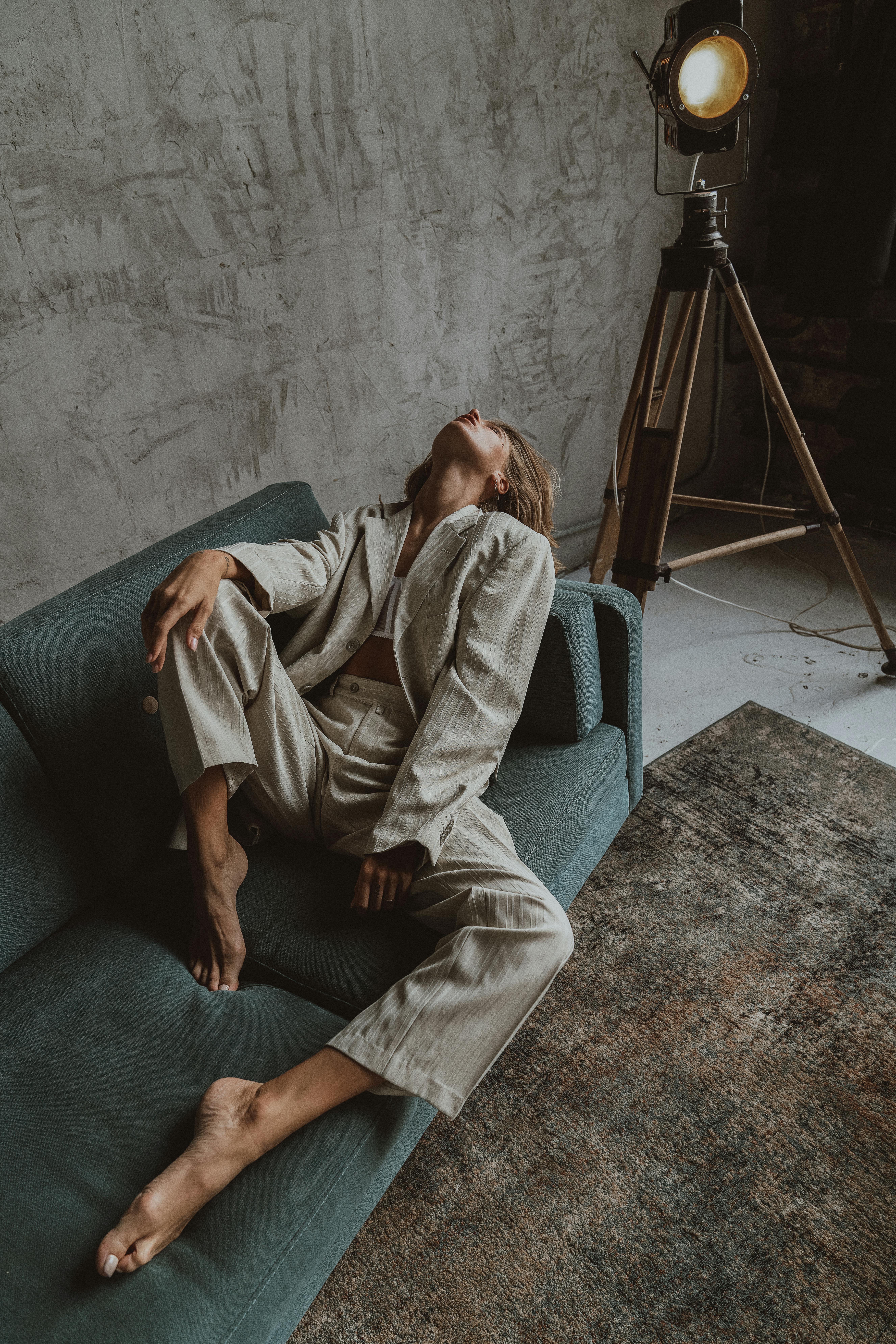
This Photo was taken by Юлиана Маринина.
The science behind luxury creative environments
Professional art studios in 2026 operate on scientific principles that would be familiar to any museum curator. Temperature fluctuations above 3 degrees Fahrenheit can cause canvas expansion and contraction, leading to cracking in oil paintings and dimensional instability in sculptures. Humidity variations beyond 45-55% relative humidity create similar damage patterns while also affecting the workability of materials during creation.
Modern luxury art studios integrate building management systems that monitor and adjust environmental conditions in real-time. These systems typically include HVAC zones with individual climate control, air filtration systems rated for fine particulate removal, and automated humidity regulation that responds to seasonal changes and occupancy patterns.
| Environmental Factor | Museum Standard | Luxury Studio Target | Impact of Deviation |
|---|---|---|---|
| Temperature | 70°F ±2°F | 68-72°F ±1°F | Material expansion/contraction |
| Relative Humidity | 45-55% ±3% | 50% ±2% | Cracking, warping, mold growth |
| Air Changes | 8-10 per hour | 12-15 per hour | Chemical fume buildup |
| UV Filtration | 99% UV removal | 99.5% UV removal | Pigment fading, material degradation |
Gallery lighting represents another critical technical challenge. Traditional tungsten bulbs produce heat and color temperature shifts over time, while standard LED fixtures often exhibit poor color rendering that distorts how artists perceive their work. Professional art studios now employ tunable white LED systems with CRI ratings above 95, allowing artists to adjust color temperature throughout the day to match exhibition conditions.
This Photo was taken by ZHANNA TIKHONOVA Tt.
Advanced air filtration and ventilation systems
Creative work often involves materials that release volatile organic compounds, fine particulates, and other airborne contaminants. Professional-grade studios integrate multi-stage filtration systems that remove particles as small as 0.3 microns while maintaining optimal air exchange rates. These systems typically include pre-filters for large particles, HEPA filters for fine particulates, and activated carbon filters for chemical vapors.
Dedicated ventilation zones allow artists to work with different media simultaneously without cross-contamination. Spray booths with explosion-proof fans handle aerosol applications, while general workspace ventilation maintains air quality during routine activities. Smart sensors continuously monitor air quality and adjust ventilation rates based on detected contaminant levels.
Lighting design that rivals world-class galleries
Museum-quality lighting systems transform how artists create and evaluate their work. Professional installations begin with comprehensive photometric analysis to eliminate shadows, hotspots, and glare while providing uniform illumination across all work surfaces. Track-mounted fixtures with precision optics allow for adjustable beam angles and intensity control, adapting to different artistic media and scales.
Circadian lighting protocols support creative productivity by automatically adjusting color temperature throughout the day. Morning sessions might utilize cooler 5000K illumination to promote alertness, while evening work transitions to warmer 3000K temperatures that reduce eye strain. Individual zone control allows artists to customize lighting for specific tasks or artistic effects.
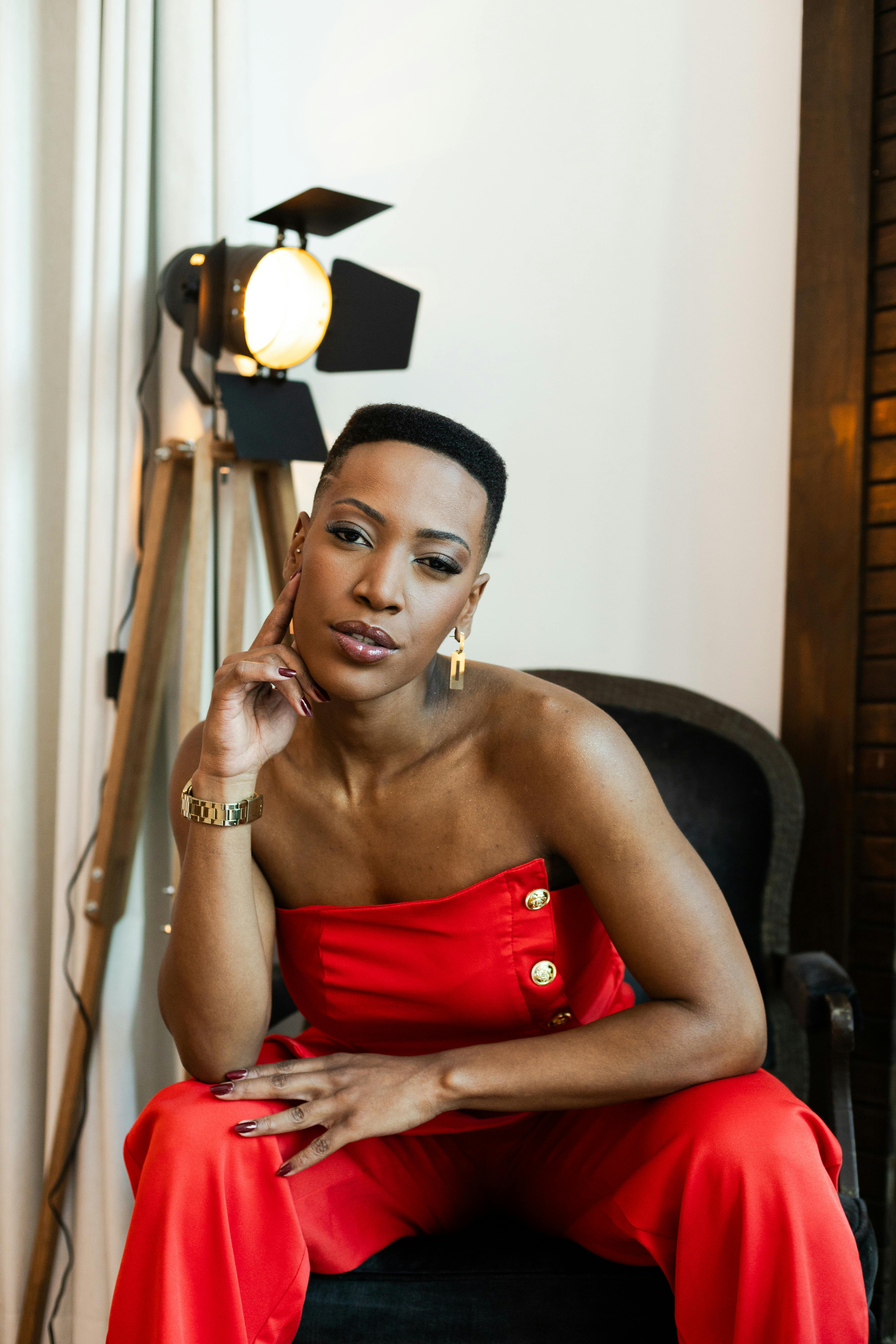
This Photo was taken by Jonathan Goncalves.
Advanced lighting control systems integrate with smart home platforms, enabling preset scenes for different creative activities. “Painting mode” might activate high-CRI track lighting with daylight color temperature, while “photography mode” could trigger seamless background illumination for artwork documentation. Emergency lighting protocols ensure safe evacuation while protecting sensitive materials from sudden illumination changes.
Spectral analysis and color accuracy
Professional art studios increasingly incorporate spectral analysis tools that measure and adjust light quality in real-time. These systems ensure consistent color rendering across all lighting conditions, critical for artists who need to predict how their work will appear in gallery settings. Motorized diffusion panels and color mixing fixtures allow for precise spectral tuning that matches specific exhibition venues or natural lighting conditions.
Integration with digital color management workflows enables artists to calibrate their visual perception against standardized color spaces. This technical precision supports contemporary artists working across multiple media who need to maintain color consistency from initial concept through final exhibition.
Workflow optimization and spatial design
Luxury art studios prioritize efficient creative workflows through thoughtful spatial organization and integrated storage systems. Unlike traditional studios where supplies and works-in-progress create visual chaos, modern designs incorporate custom millwork that conceals materials while maintaining easy access. Rolling storage systems allow artists to quickly reconfigure spaces for different projects or collaborative work.
This Photo was taken by Sergey Romanenko.
Dedicated wet and dry zones prevent cross-contamination between different artistic media. Water-based and solvent-based materials require separate ventilation systems, drainage solutions, and cleanup protocols. Professional installations include chemical-resistant flooring with integrated drainage channels, hands-free wash stations, and emergency shower systems for safety compliance.
Technology integration supports modern creative practices through high-resolution display systems, professional photography setups for work documentation, and digital asset management platforms. Many studios now include dedicated areas for 3D printing, laser cutting, and other digital fabrication tools that expand creative possibilities while maintaining the controlled environment necessary for traditional media.
Collaborative workspace design
Contemporary art studios accommodate both individual creative work and collaborative projects through flexible spatial arrangements. Movable partition systems allow for space reconfiguration, while integrated audio-visual systems support virtual collaboration with remote artists or consultants. These technical capabilities proved essential during 2024-2025 when many artists adapted to hybrid working arrangements.
Similar to how