When temperature fluctuations destroy million-dollar wine collections
Picture this: A wine collector opens their cellar to discover that a single night of temperature instability has ruined bottles worth more than a luxury car. This nightmare scenario plays out more often than you might think, driving discerning collectors to seek something beyond basic wine storage. They demand sophisticated sanctuaries that merge the technical precision of professional wine facilities with the architectural grandeur befitting their passion.
The transformation of luxury wine cellars has evolved far beyond simple refrigerated rooms. Today’s visionary designers are creating immersive experiences that rival the world’s finest wineries, combining sommelier-grade preservation technology with cave-like architecture and museum-quality display systems. These spaces don’t just store wine—they celebrate it, educate about it, and create memorable tasting experiences that elevate the entire ritual of wine appreciation.
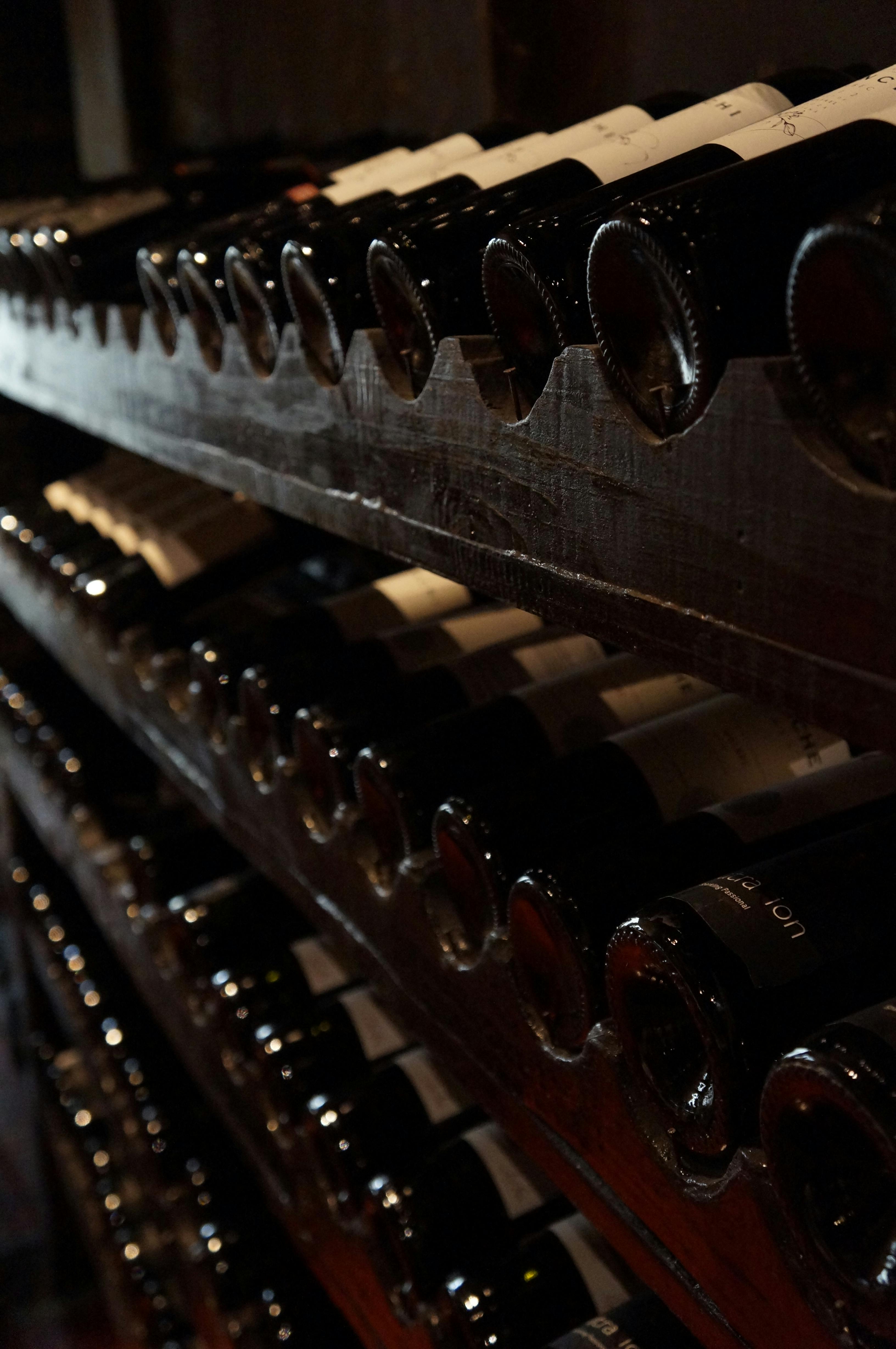
This Photo was taken by Bruno Cantuária.
The science behind sommelier-grade preservation systems
Professional wine preservation operates on principles that most residential cellars completely ignore. Temperature consistency matters more than the actual temperature—a cellar that fluctuates between 55°F and 58°F causes more damage than one held steady at 60°F. Humidity control prevents cork degradation while vibration isolation protects sediment from disturbance.
Modern climate control systems use redundant cooling zones, each monitored by sensors that detect temperature variations as small as 0.1°F. These systems don’t just cool air—they create microclimates within the cellar, allowing different regions to maintain optimal conditions for various wine styles. Burgundy requires different storage parameters than Bordeaux, and the most sophisticated cellars accommodate these nuances.
| Wine Type | Optimal Temperature | Humidity Range | Storage Angle |
|---|---|---|---|
| Bordeaux Reds | 55-58°F | 70-75% | 5-15 degrees |
| Burgundy | 53-55°F | 70-80% | 10-15 degrees |
| Champagne | 50-54°F | 80-85% | Horizontal |
| Vintage Port | 58-60°F | 65-70% | Horizontal |
Vibration control requires engineering similar to laboratory environments. High-end cellars use isolation pads beneath refrigeration units and install wine racks on independent foundations that don’t connect to the building’s structure. This attention to detail prevents the microscopic disturbances that can affect wine aging over decades.

This Photo was taken by Laker.
Cave architecture meets modern luxury design
The most compelling wine cellars evoke the underground caves where wine storage began centuries ago. Designers achieve this atmosphere through careful material selection and lighting design that mimics natural stone formations. Reclaimed limestone, aged brick, and rough-hewn timber create tactile surfaces that age beautifully and contribute to humidity regulation.
Barrel-vaulted ceilings aren’t just aesthetic choices—they provide superior air circulation and structural strength for underground installations. These architectural elements, combined with strategically placed alcoves and tasting nooks, create intimate spaces that feel both ancient and thoroughly modern. The goal is creating an environment where wine tastes better simply because of the atmosphere.
Natural materials serve functional purposes beyond aesthetics. Stone walls provide thermal mass that moderates temperature swings, while exposed wooden beams absorb excess moisture during humid periods and release it when conditions become too dry. This natural regulation supplements mechanical climate control systems, creating more stable microclimates.
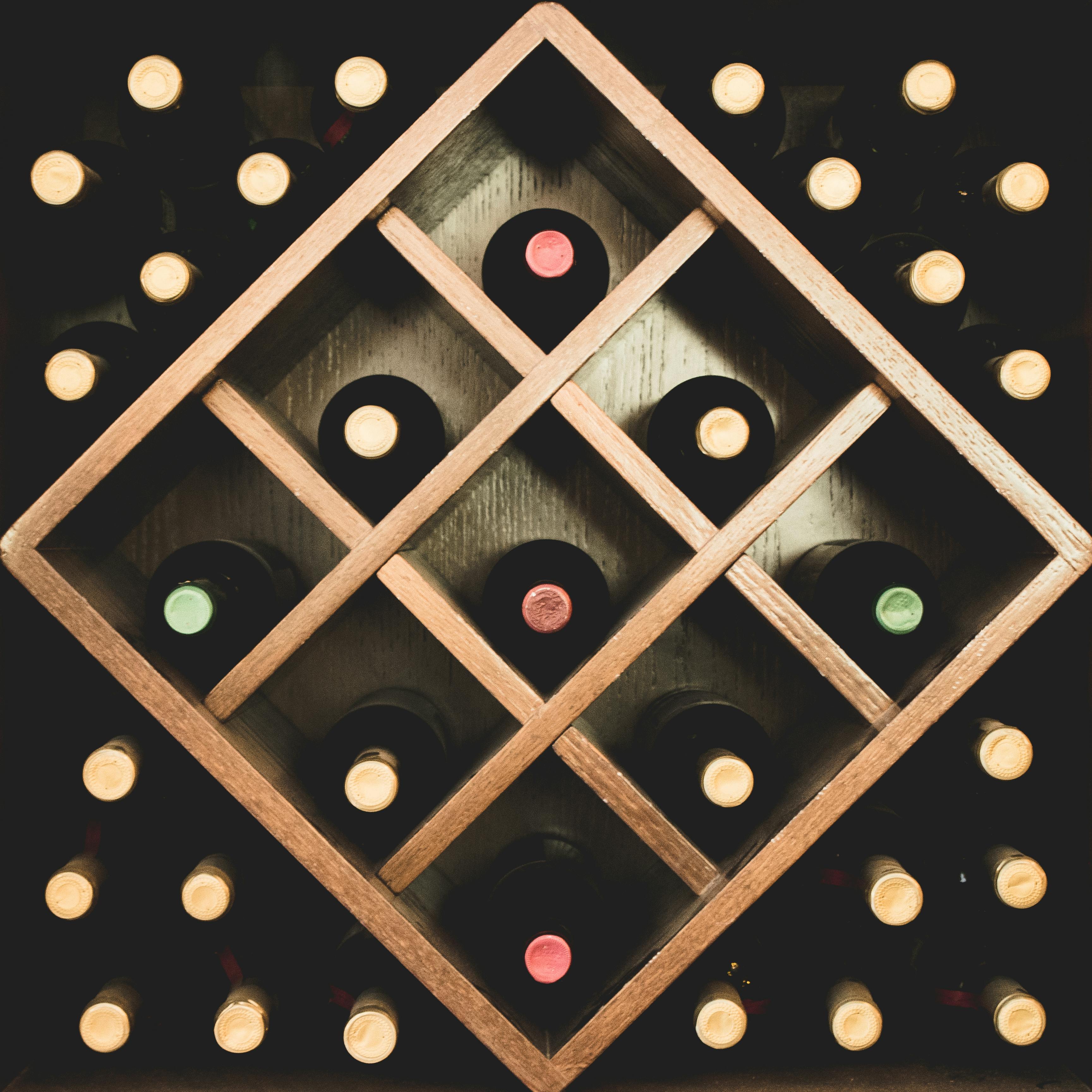
This Photo was taken by Stanislav Kondratiev.
Lighting design that protects and presents
Wine storage lighting presents a fundamental challenge: showcasing bottles while protecting them from harmful UV radiation. LED systems with customizable color temperatures allow collectors to illuminate their cellars without damaging wine. Warm amber lighting creates ambiance while cool white light aids in label reading and inventory management.
Smart lighting systems adapt to different uses throughout the day. Subdued pathway lighting guides movement during casual visits, while brighter task lighting activates when selecting bottles or conducting tastings. Motion sensors prevent unnecessary light exposure, extending the life of sensitive vintages while maintaining convenience.

This Photo was taken by Ata Ebem.
Museum-quality display systems that showcase collections
Serious collectors view their cellars as private museums requiring display systems that rival professional institutions. Individual bottle presentation allows appreciation of label design, vintage variation, and bottle evolution over time. Adjustable shelving accommodates different bottle sizes while maintaining perfect organization and accessibility.
Digital inventory systems integrate with physical storage, using RFID tags or barcode systems to track bottle location, acquisition date, drinking windows, and tasting notes. Some collectors employ sommelier-grade cellar management software that suggests optimal drinking times and tracks collection value fluctuations in real-time.
Display lighting uses fiber optic systems that generate no heat while providing precise illumination. Individual bottle spotlights can highlight special vintages or featured selections, creating focal points that draw attention to collection highlights. These systems often integrate with home automation platforms, allowing collectors to program lighting scenes for different occasions.
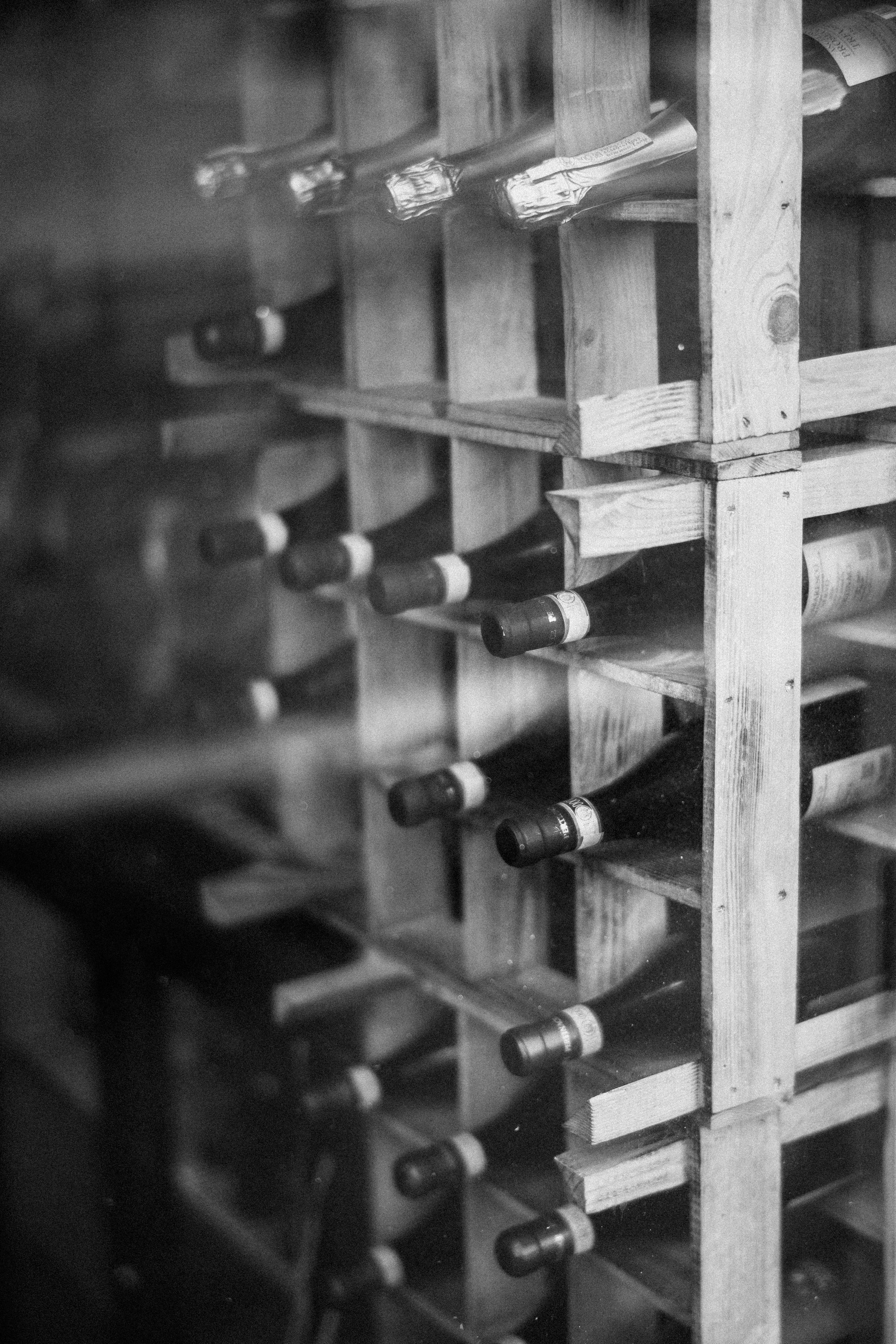
This Photo was taken by Boris K..
Custom millwork and storage solutions
Bespoke storage systems maximize space efficiency while accommodating unique collection needs. Master craftsmen create custom millwork using species like mahogany, walnut, and cedar that complement wine aging environments. These installations often incorporate hidden storage for accessories, backup bottles, and wine service equipment.
Modular systems allow collection growth and reorganization without major renovations. Premium installations use dovetail joinery and hand-rubbed finishes that improve with age, creating heirloom-quality storage that adds value to both home and collection. The finest examples integrate seamlessly with architectural elements, appearing as built-in features rather than added furniture.

This Photo was taken by Ramon Perucho.
Private tasting room integration and experience design
The most sophisticated wine cellars seamlessly connect storage areas with dedicated tasting environments. These spaces require different climate parameters—slightly warmer temperatures and controlled humidity that won’t interfere with wine service.