The finest wine collections deserve more than basement storage with a mini-fridge. In 2025, luxury wine cellars have evolved into architectural masterpieces that rival the world’s most prestigious châteaux storage facilities. Yet many high-net-worth homeowners still settle for amateur-grade cellars that compromise their investment collections through inadequate climate control, poor lighting, and uninspired design.
Today’s visionary designers are redefining what it means to house a serious wine collection. They’re creating sommelier-grade sanctuaries that combine cutting-edge preservation technology with breathtaking aesthetics. These aren’t just storage rooms—they’re temples to terroir, where every bottle is displayed like a work of art and every sip becomes a curated experience.
We’ll explore how leading designers transform ordinary spaces into extraordinary wine sanctuaries that protect investments worth hundreds of thousands while creating unforgettable tasting experiences.
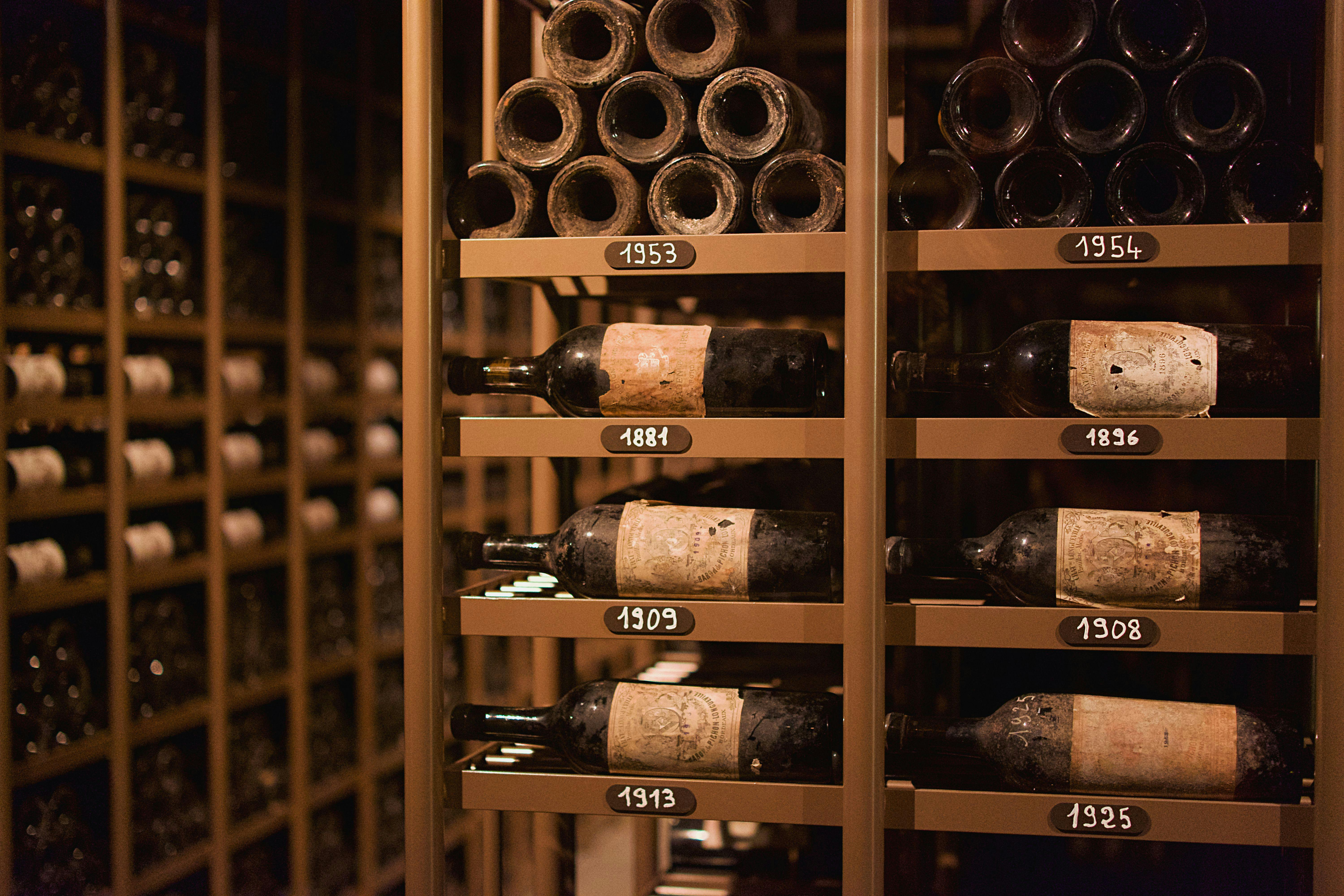
This Photo was taken by Liv Kao.
Beyond the basement: the evolution of wine sanctuary design
The transformation begins with abandoning outdated assumptions about wine storage. Traditional cellars focused solely on function, cramming bottles into utilitarian racks without considering the sensory experience of wine appreciation. Modern luxury wine sanctuaries integrate multiple disciplines: architectural design, climate engineering, hospitality design, and even psychology.
Leading designers now approach wine cellars as they would luxury home theaters—immersive environments that enhance the primary experience. The goal extends beyond preservation to transformation: converting wine storage into wine celebration.
According to Wine Spectator’s 2025 Luxury Home Survey, 78% of serious collectors now prioritize “experiential design” over pure storage capacity. This shift reflects a broader understanding that wine appreciation involves all senses, not just taste.

This Photo was taken by Medhat Ayad.
The science of sommelier-grade climate control systems
Professional wine preservation demands precision that rivals pharmaceutical storage. Temperature fluctuations of just two degrees can accelerate aging by months, while humidity variations cause cork expansion and contraction that compromises seals.
Advanced climate engineering specifications
Today’s luxury cellars employ commercial-grade climate systems typically reserved for museum archives. Multiple redundant cooling units ensure consistent temperatures between 55-58°F, while specialized humidification systems maintain 65-75% relative humidity with minimal fluctuation.
The most sophisticated installations feature zone-based climate control, allowing different sections to maintain unique conditions. Champagne storage operates at 50°F, while red wine collections benefit from slightly warmer 58°F environments. These systems cost between $15,000-$45,000 but protect collections worth significantly more.
| Wine Type | Optimal Temperature | Humidity Range | Storage Duration |
|---|---|---|---|
| Bordeaux/Burgundy | 58°F | 70-75% | 20+ years |
| Champagne | 50°F | 65-70% | 15+ years |
| Port/Dessert Wines | 60°F | 70-75% | 30+ years |
| Vintage Spirits | 65°F | 60-65% | 50+ years |
Invisible technology integration
The best climate systems remain completely invisible. Air circulation occurs through concealed ducts integrated into custom millwork. Sensors monitor conditions continuously, sending alerts to smartphones when parameters drift outside acceptable ranges.
Smart systems learn usage patterns, adjusting conditions based on seasonal variations and planned tastings. Before dinner parties, systems can subtly warm specific sections to bring wines closer to serving temperature.
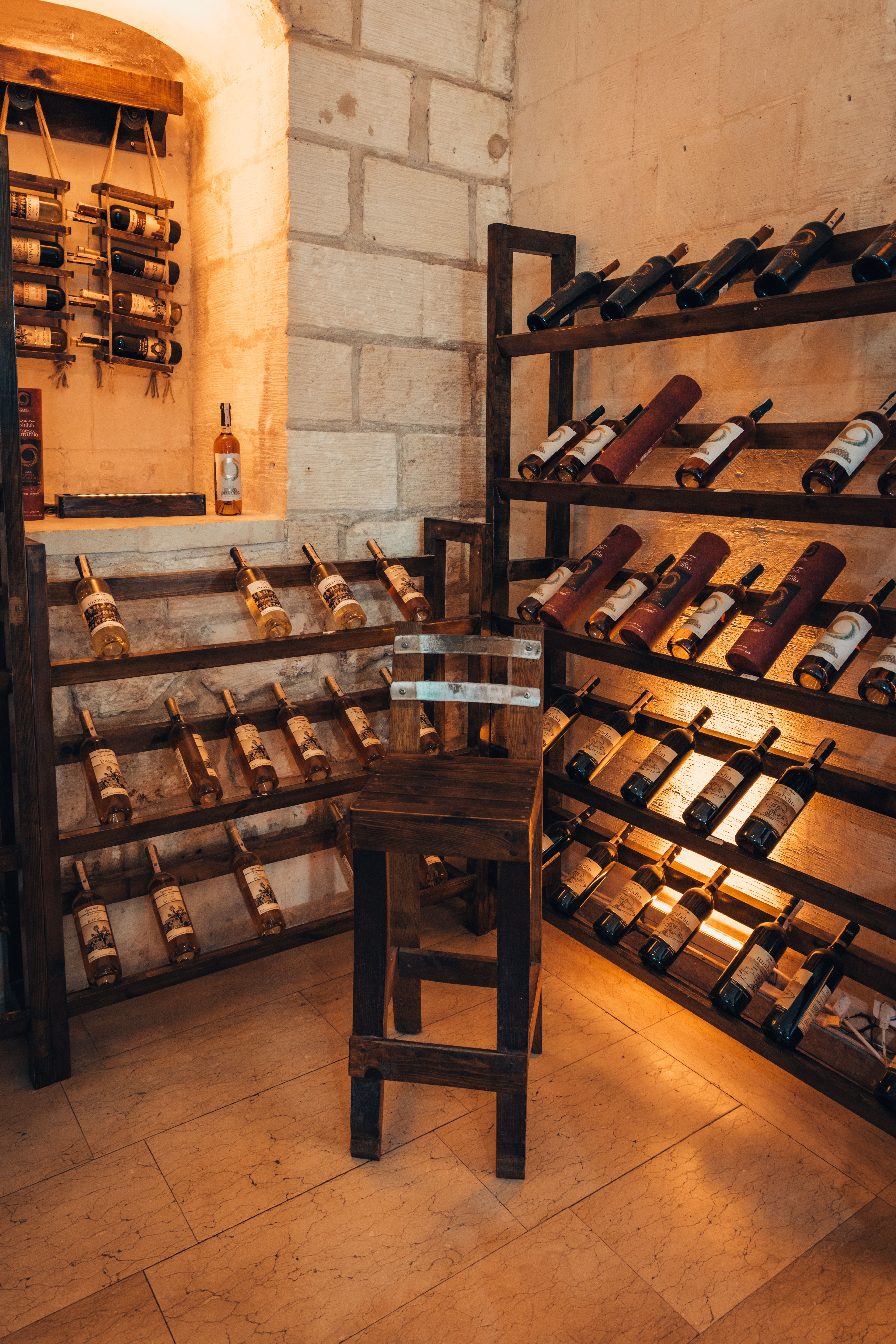
This Photo was taken by Hobi Photography.
Architectural mastery: custom millwork and display systems
Storage architecture determines both preservation quality and aesthetic impact. Generic metal racks communicate amateur status, while custom millwork elevates wine storage to art installation level.
Material selection for longevity
Professional installations favor mahogany, redwood, or specially treated oak that resists moisture while avoiding chemical off-gassing that could contaminate wine. Each wood species offers distinct aesthetic and functional properties.
Mahogany provides rich color that ages beautifully while maintaining structural integrity in humid conditions. Redwood naturally resists mold and insects without chemical treatment. Oak offers traditional wine country aesthetics but requires careful selection to avoid overpowering tannins that might affect wine character through proximity.
Metal components use stainless steel exclusively, avoiding brass or bronze that could corrode and introduce metallic contamination. Even screws and hinges receive marine-grade treatment to prevent deterioration.
Display versus storage optimization
The most successful cellars balance showcase display with practical storage. Featured bottles receive individual presentation niches with subtle LED spotlighting, while bulk storage utilizes efficient diamond-pattern racking that maximizes capacity.
Designers create focal points using large-format bottles, vintage magnums, or rare collections as architectural elements. These displays serve dual purposes: highlighting prized possessions while creating visual interest that breaks up repetitive storage patterns.
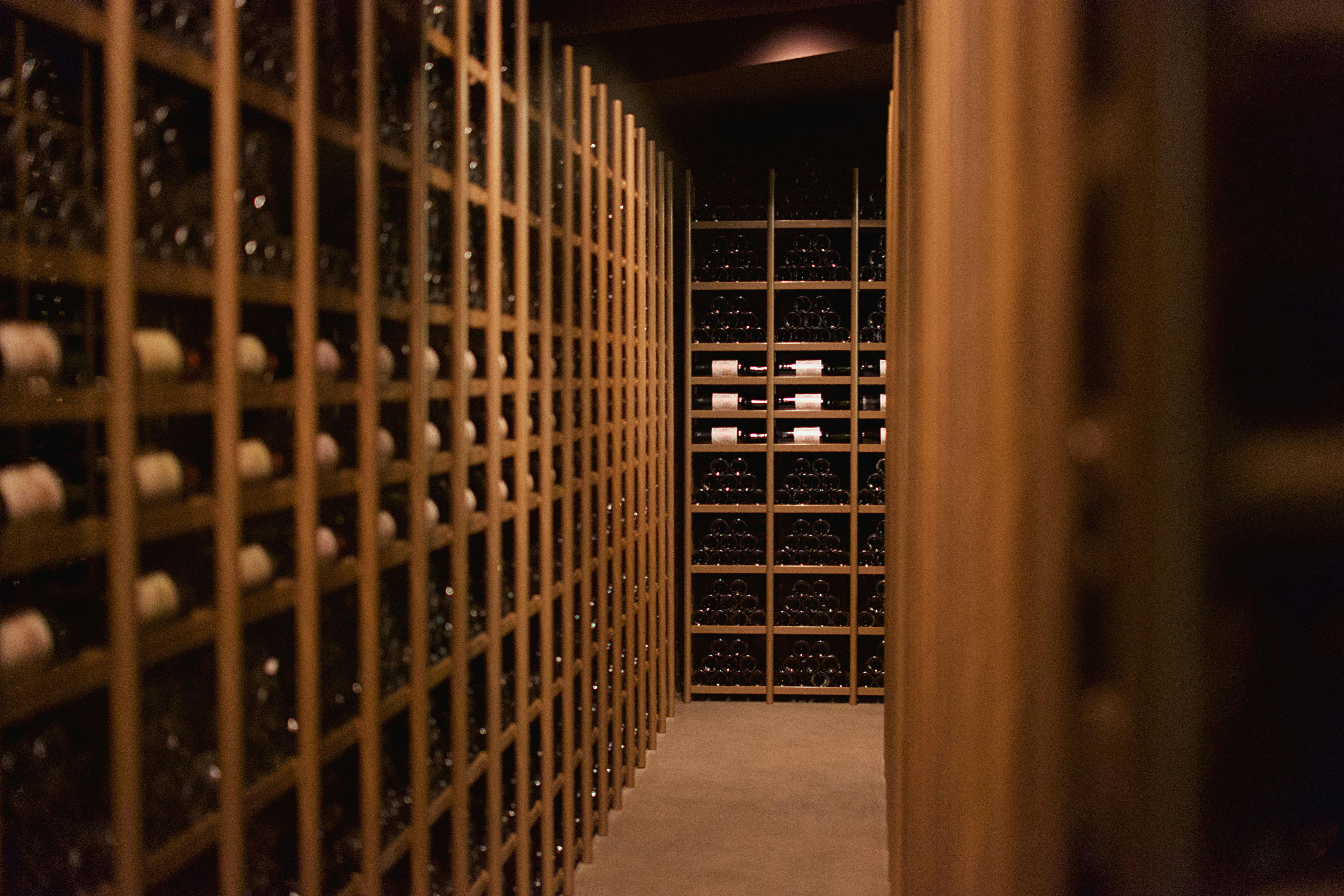
This Photo was taken by Liv Kao.
The art of private tasting room architecture
Serious wine appreciation requires dedicated tasting spaces that eliminate sensory distractions while enhancing wine evaluation. Professional tasting rooms follow specific design principles derived from winery hospitality and sommelier training facilities.
Sensory environment optimization
Lighting represents the most critical element in tasting room design. Natural light varies throughout the day, making accurate wine color evaluation impossible. Professional installations use full-spectrum LED systems that replicate north-facing daylight without heat generation.
Color temperature remains fixed at 5000K—the same standard used by professional wine judges. Dimming controls allow adjustment for different activities: bright illumination for wine evaluation, softer lighting for casual enjoyment.
Acoustic design eliminates echo and external noise that distract from wine appreciation. Sound-absorbing materials integrate seamlessly into millwork and upholstery. The goal creates an environment quiet enough to hear wine being poured from across the room.
Professional tasting bar specifications
Tasting bars require specific proportions and materials that support proper wine service. Bar height measures 42 inches—optimal for standing wine evaluation while accommodating standard wine fridge placement underneath.
Surface materials must remain neutral and non-porous. Absolute black granite provides the perfect backdrop for wine color evaluation while resisting staining from spills. Some designers prefer white Carrara marble, which offers superior contrast for red wine assessment but requires more maintenance.
Similar attention to detail extends to designing luxury butler’s pantries where wine service preparation occurs before formal tastings.
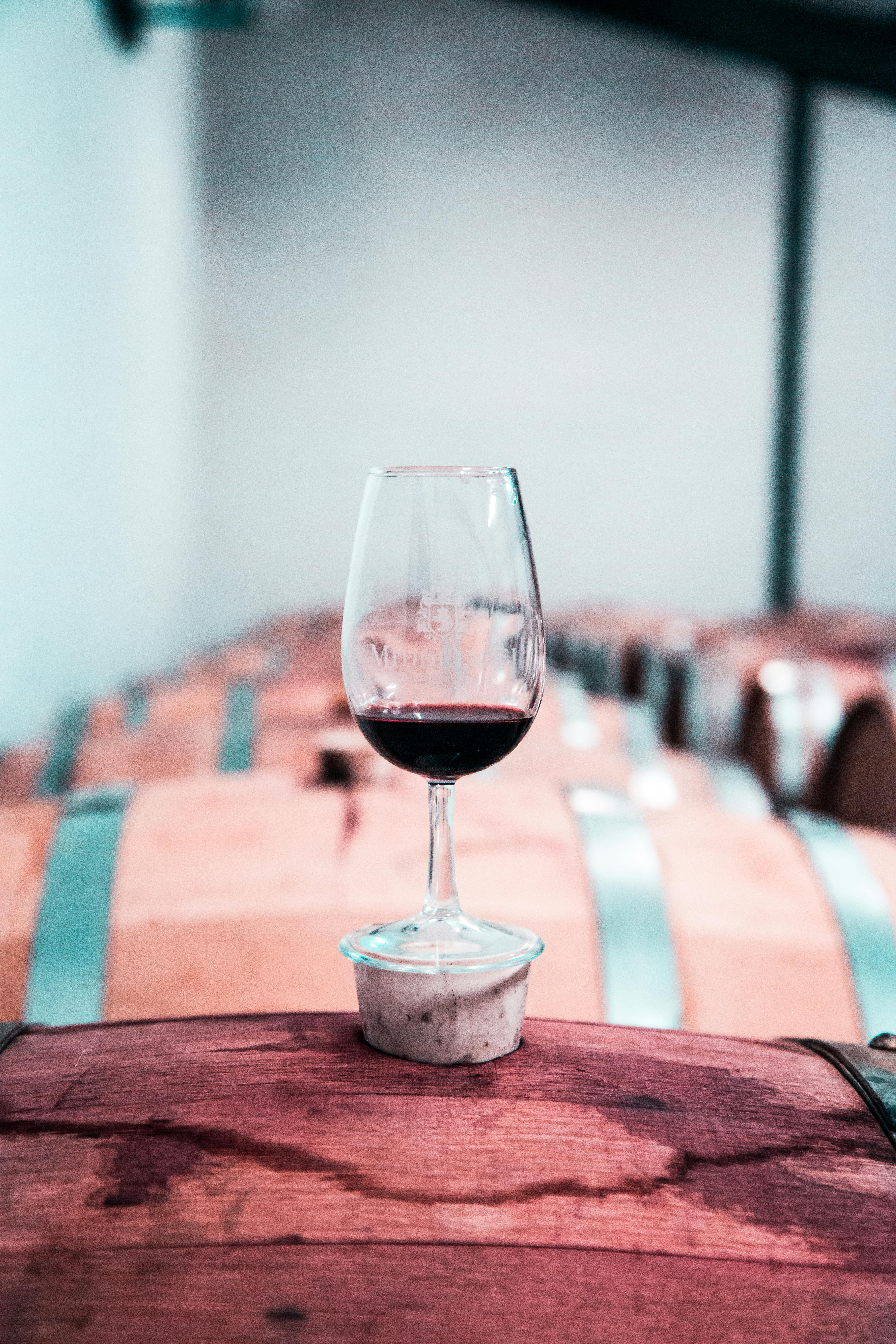
This Photo was taken by Arthur Brognoli.
Security and access control systems
Wine collections often represent investments exceeding $500,000, requiring security measures that rival fine art protection. Modern wine cellars integrate multiple security layers while maintaining elegant aesthetics.
Discrete protection systems
Entry control begins with biometric access that recognizes fingerprints or retinal patterns. These systems eliminate key-based entry while creating audit trails of every access event. Emergency override codes ensure access during power outages or system failures.
Internal monitoring includes vibration sensors that detect movement without triggering false alarms from normal HVAC operation. Temperature and humidity sensors double as security devices, alerting owners to unauthorized entry that might disrupt climate conditions.
The most sophisticated installations coordinate with comprehensive luxury home security systems that provide perimeter protection and central monitoring.
Insurance and documentation requirements
Insurance companies increasingly require professional documentation and security measures for high-value wine collections. Digital inventory systems photograph every bottle while tracking acquisition date, storage location, and estimated value.
Blockchain-based authentication services verify provenance for rare bottles, creating tamper-proof ownership records that support insurance claims and resale value. These systems cost $2,000-$5,000 annually but protect against fraud that plagues the luxury wine market.
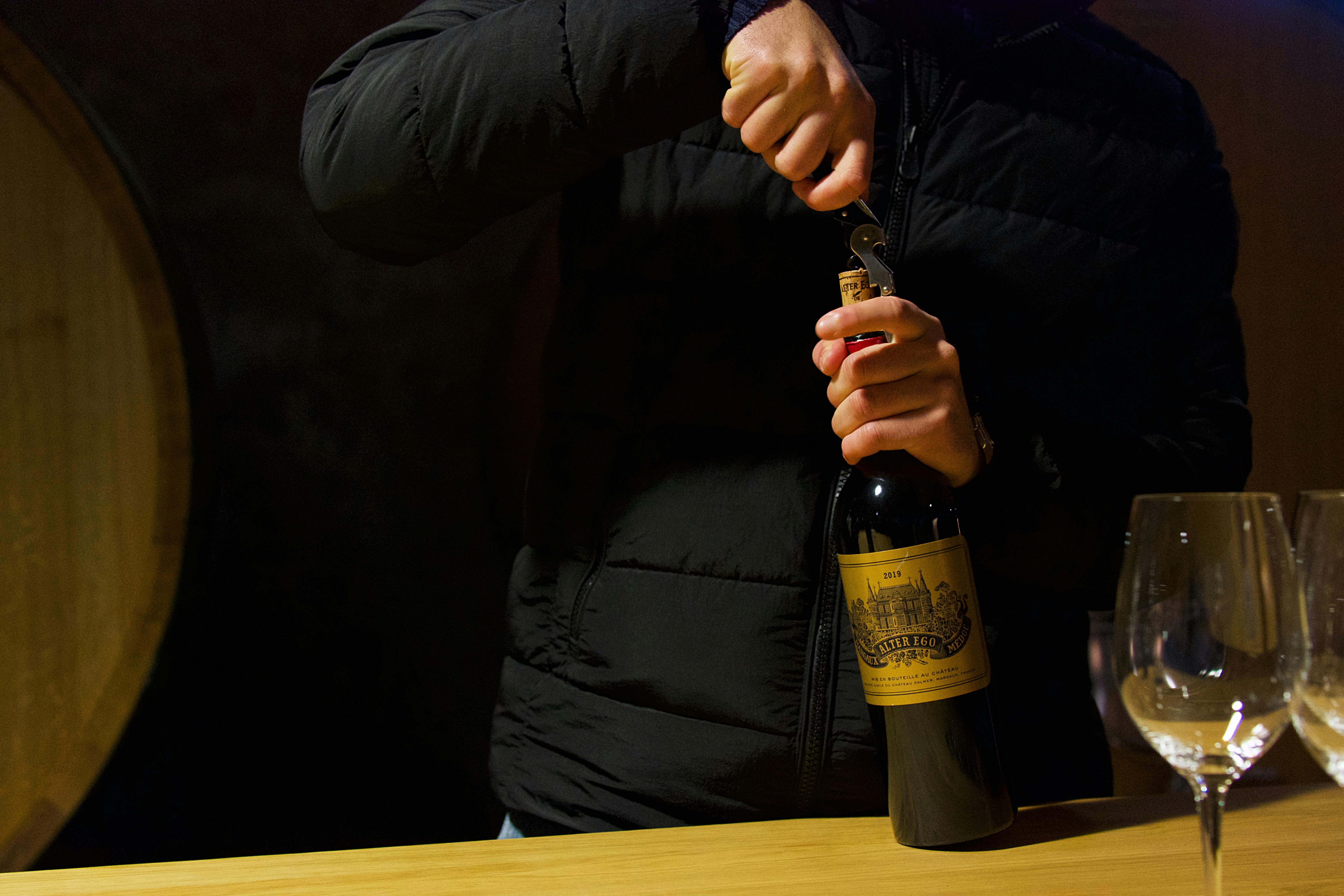
This Photo was taken by Liv Kao.
Lighting design that preserves and presents
Wine storage demands contradiction: enough illumination for navigation and appreciation, while avoiding light damage that degrades wine quality over time. Professional lighting design resolves this challenge through layered systems that provide functionality without compromise.
UV-free illumination strategies
Traditional incandescent and fluorescent lighting emit ultraviolet radiation that breaks down wine compounds, creating off-flavors and premature aging. LED technology eliminates UV emission while generating minimal heat that could stress climate control systems.
Professional installations use indirect lighting whenever possible. LED strips hidden behind crown molding or within millwork details provide ambient illumination without direct exposure to wine bottles. Individual bottle spots use narrow-beam LEDs with UV filters for additional protection.
Motion sensors activate lighting only when needed, minimizing total light exposure while ensuring safety and convenience. Advanced systems learn usage patterns, pre-illuminating areas before arrival.
Theatrical presentation techniques
The most striking wine cellars borrow techniques from museum and retail display design. Gradient lighting creates visual depth, drawing attention to featured collections while maintaining subtle illumination throughout the space.
Color temperature varies by zone: cooler 4000K lighting for general storage areas suggests cleanliness and precision, while warmer 3000K illumination in tasting areas promotes relaxation and enjoyment.

This Photo was taken by Ata Ebem.
Integration with luxury lifestyle spaces
The most successful wine cellars connect seamlessly with related luxury spaces throughout the home. This integration creates natural flow between wine storage, preparation, service, and consumption.
Connection to entertainment areas
Strategic placement near luxury formal dining rooms facilitates wine service during dinner parties. Discrete dumbwaiters or service corridors allow staff to retrieve wines without disrupting guest conversations.
Some installations include pass-through wine fridges accessible from both cellar and dining areas, keeping frequently served wines at optimal temperature while maintaining security. These dual-access systems cost $8,000-$15,000 but provide exceptional convenience during entertaining.
Integration with home automation systems allows wine selection from dining room tablets, with staff receiving notifications about optimal decanting times and serving temperatures.
Relationship with wellness spaces
Progressive designers recognize connections between wine appreciation and overall wellness. Some luxury wine cellars include meditation areas for contemplative tasting, while others connect to dedicated wellness spaces where moderate wine consumption supports relaxation practices.
Air purification systems shared between wine cellars and adjacent spaces ensure optimal air quality that enhances both wine preservation and human health.
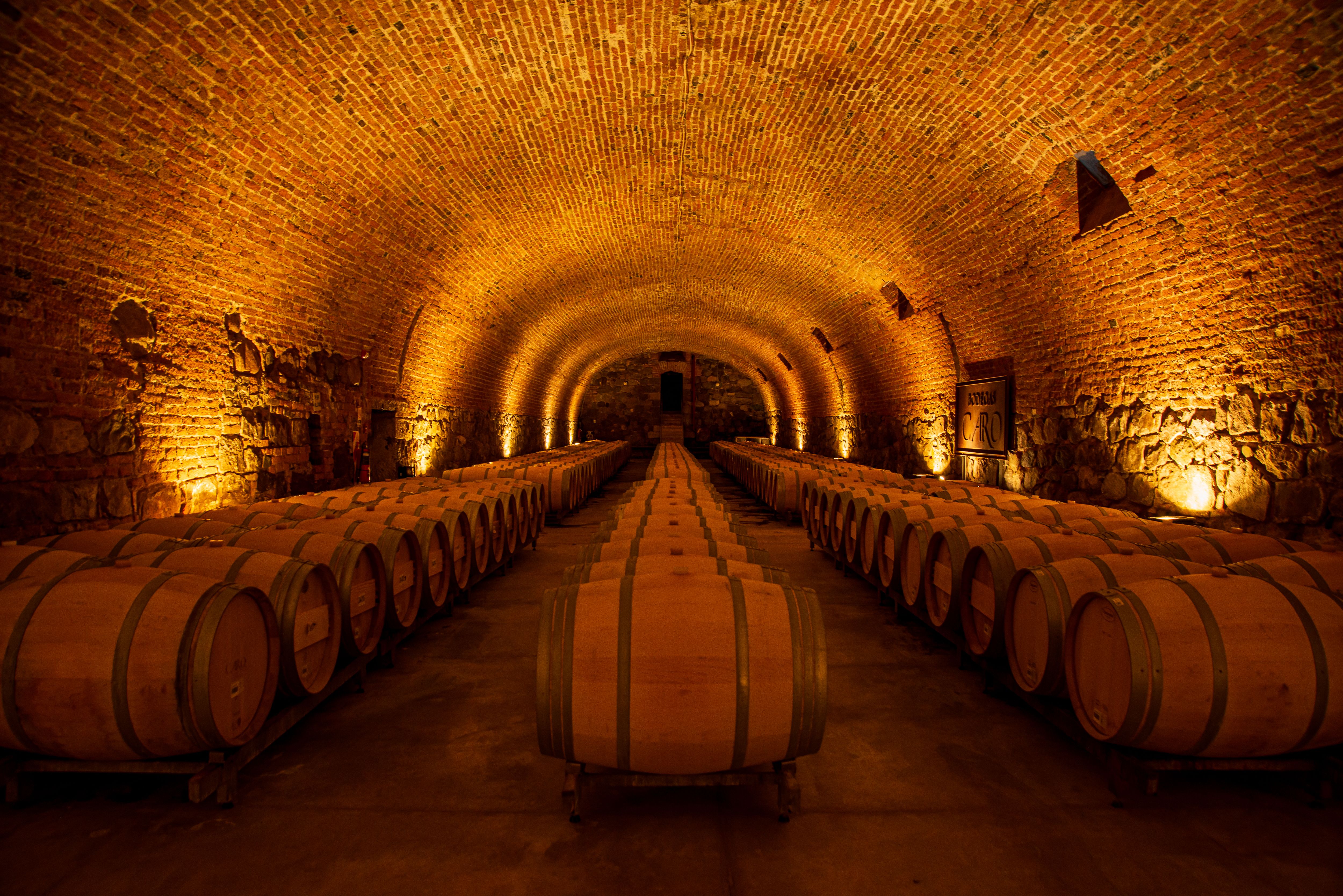
This Photo was taken by Mariela Maragna.
Technology integration and smart systems
Modern wine cellars function as sophisticated technology platforms that monitor, protect, and enhance wine collections through intelligent automation.
Comprehensive monitoring systems
Professional installations monitor dozens of parameters continuously: temperature, humidity, vibration, light exposure, door access, and even air quality. Machine learning algorithms identify patterns that predict equipment failures before they occur.
Smartphone apps provide real-time status updates and historical trending data. Push notifications alert owners to potential problems, while automated systems can contact service technicians directly for urgent issues.
Integration with luxury home office systems allows wine cellar management from executive command centers that oversee entire property operations.
Inventory and collection management
Digital inventory systems eliminate guesswork from large collections. RFID tags or QR codes track every bottle’s location, drinking window, and value appreciation. Some systems suggest optimal consumption timing based on professional aging curves.
Advanced platforms integrate with wine auction databases, providing real-time valuation updates for insurance and estate planning purposes. They can identify undervalued additions to existing collections or recommend strategic acquisitions.

This Photo was taken by Joel Zar.
Investment returns and property value impact
Professional wine cellars represent significant investments that require careful financial consideration. However, exceptional installations often provide returns that extend beyond pure functionality.
Property value enhancement
According to the National Association of Realtors’ 2025 Luxury Amenities Report, professionally designed wine cellars add 2-4% to home values in markets above $2 million. In wine-centric regions like Napa Valley or the Hamptons, impact can reach 6-8% for exceptional installations.
The key lies in professional execution and appropriate scale. Wine cellars must match the home’s overall luxury level—modest installations in ultra-luxury properties may actually decrease value by suggesting compromised quality throughout.
Collection preservation benefits
Proper storage prevents wine spoilage that could cost thousands annually in lost investment value. Professional climate control extends wine life significantly, allowing collections to appreciate rather than deteriorate.
Studies by Wine Investment Analytics show that properly stored wines appreciate 8-12% annually versus 3-5% for wines in suboptimal conditions. Over decades, this difference justifies substantial cellar investments for serious collectors.
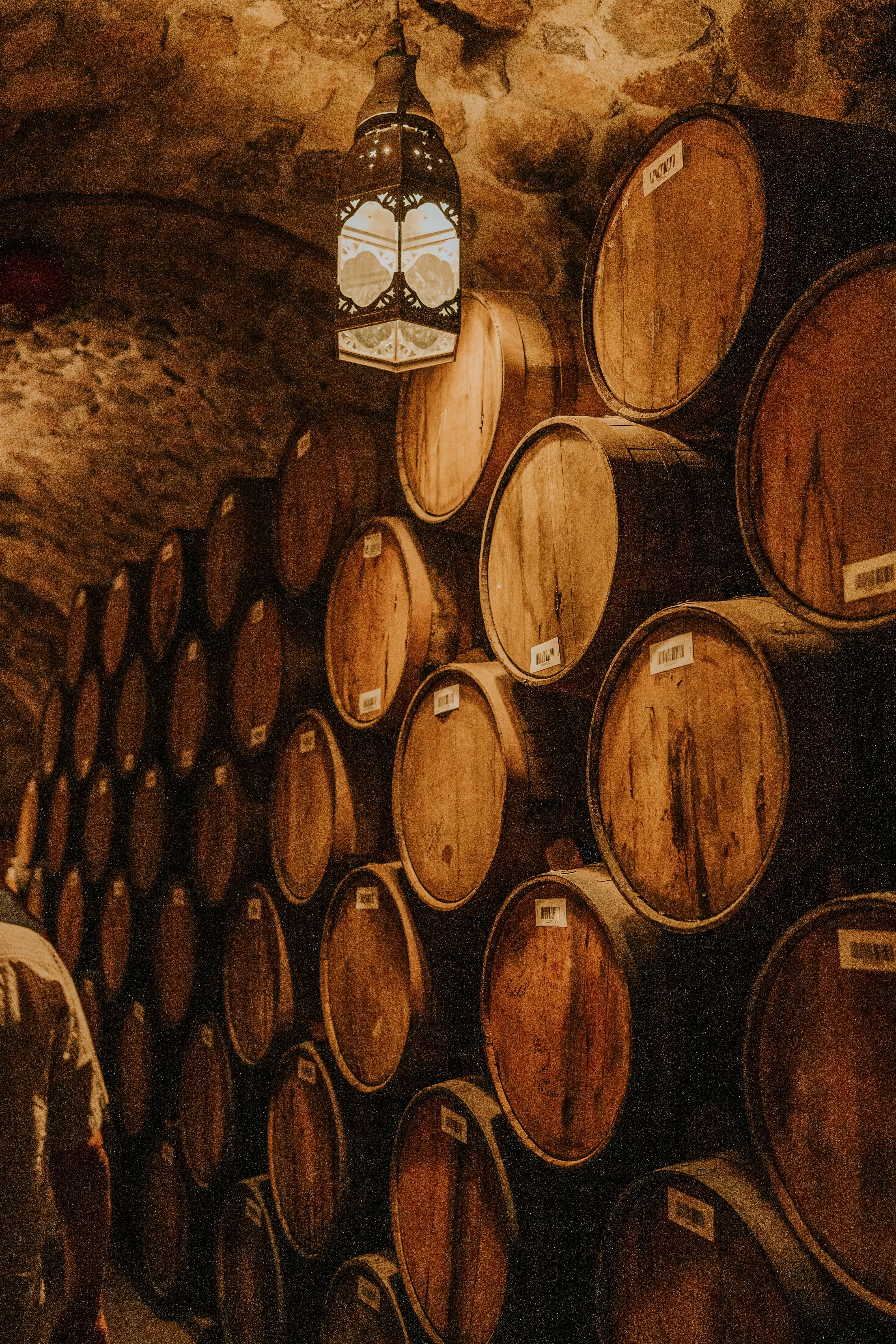
This Photo was taken by Amar Preciado.
Frequently asked questions
What size wine cellar do I need for a serious collection?
Serious collectors typically require 1,000-3,000 bottle capacity, which translates to 80-200 square feet depending on storage efficiency and tasting area inclusion. Plan for 30% expansion capacity to accommodate collection growth.
How much should I budget for a professional wine cellar?
Professional installations range from $50,000-$200,000 depending on size, location, and finish quality. Budget $50-$100 per bottle of storage capacity for mid-level installations, $100-$200 for luxury projects with extensive tasting areas.
Can I convert existing basement space into a proper wine cellar?
Existing basements often provide excellent foundations for wine cellars, particularly if they maintain consistent temperatures and adequate ceiling height. However, moisture control and insulation upgrades are typically necessary.
What’s the difference between wine refrigerators and proper cellars?
Wine refrigerators suit short-term storage and serving preparation but lack humidity control and capacity for serious collecting. Proper cellars provide long-term aging environments that actually improve wine quality over decades.
How do I maintain optimal conditions in my wine cellar?
Professional monitoring systems automate most maintenance, but regular filter changes, annual calibration, and quarterly professional inspections ensure continued performance. Avoid frequent door opening and maintain consistent external climate control.
Should my wine cellar be visible to guests or completely private?
This depends on personal preference and entertaining style. Many luxury cellars include both private storage areas and showcase sections designed for guest appreciation. The best approach often combines security with selective display opportunities.
Creating your wine sanctuary legacy
The transformation from basic wine storage to sommelier-grade sanctuary represents more than home improvement—it’s an investment in lifestyle enhancement that spans generations. Properly executed wine cellars become family heirlooms that preserve both collections and memories.
The most successful projects begin with understanding that wine cellars serve multiple masters: preservation science, aesthetic beauty, and experiential hospitality. Compromise in any area diminishes the overall result. Working with designers who understand these complex relationships ensures investments that appreciate rather than depreciate.
As 2025 luxury standards continue evolving, wine cellars increasingly distinguish exceptional homes from merely expensive ones. They demonstrate sophistication, cultural appreciation, and attention to detail that resonates with discerning buyers and guests alike. The question isn’t whether you can afford a professional wine cellar—it’s whether you can afford to settle for anything less when protecting collections worth hundreds of thousands.
Your wine collection deserves a sanctuary worthy of its quality and your passion. The visionary designers creating these spaces understand that every bottle tells a story, and proper cellars ensure those stories continue for decades to come.