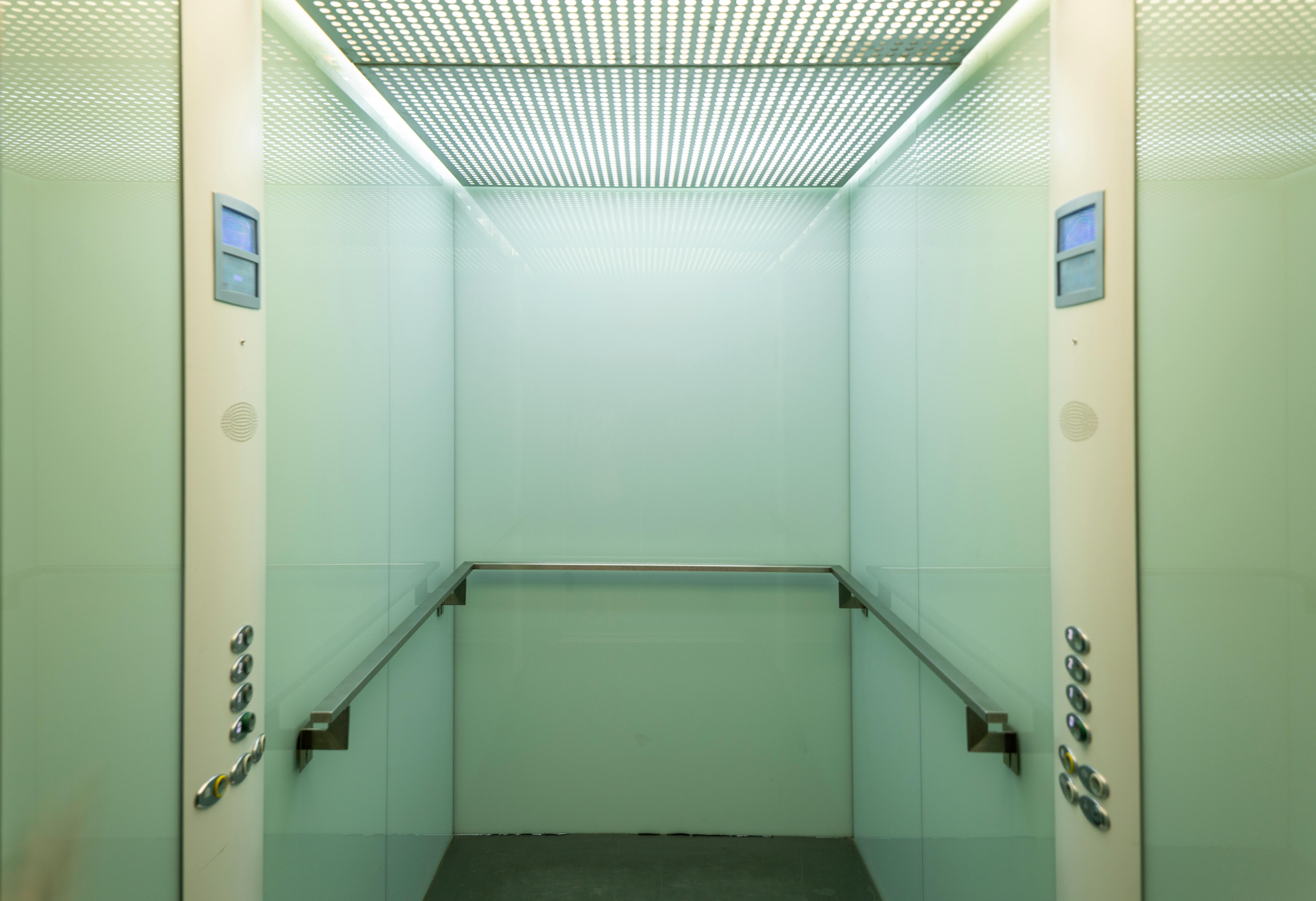
Picture stepping into a residential elevator cab that rivals the most luxurious hotel suites you’ve ever experienced. The walls shimmer with hand-selected marble, intelligent lighting responds to your presence, and the entire journey feels more like entering a private art gallery than simply moving between floors. This is the reality of 2026’s luxury home elevator transformations, where visionary designers are redefining vertical transportation as intimate architectural sanctuaries.
The challenge many luxury homeowners face isn’t just about moving between levels—it’s about maintaining the seamless elegance and personalized experience their homes represent throughout every square inch, including the often-overlooked elevator space. Today’s discerning homeowners refuse to settle for utilitarian boxes that interrupt their carefully curated living environments.
Through exclusive insights from leading residential elevator designers and cutting-edge smart access innovations, we’ll explore how these vertical sanctuaries are being transformed into bespoke experiences that enhance both property value and daily living luxury.
This Photo was taken by Ana Benet.
The evolution of vertical luxury beyond basic transportation
Residential elevators have undergone a dramatic metamorphosis from purely functional necessities to integral design statements. According to the Elevator World industry report, luxury home elevator installations increased by 47% between 2023 and 2025, with custom cab architecture representing the fastest-growing segment.
Modern luxury elevators serve multiple purposes: they’re mobility solutions, architectural features, and personal retreat spaces rolled into one. The most successful transformations treat the elevator cab as a transitional sanctuary—a moment of pause and beauty between the different zones of a home.
Visionary designers approach these projects by first understanding the home’s overall aesthetic narrative. Whether the residence features dramatic entrance design or flows into resort-style gathering spaces, the elevator must seamlessly bridge these environments while offering its own unique experience.
| Design Element | Traditional Approach | 2026 Luxury Standard |
|---|---|---|
| Wall Materials | Standard mirror panels | Custom stone, rare wood veneers, artistic metal inlays |
| Lighting | Basic fluorescent fixtures | Smart ambient systems with circadian rhythm integration |
| Flooring | Industrial-grade carpet | Heated natural stone, exotic hardwood, or custom terrazzo |
| Control Systems | Push-button panels | Touchless biometric access with smartphone integration |
Material mastery in confined spaces
The artistry of luxury elevator design lies in selecting materials that create maximum visual impact within minimal square footage. Designers are embracing bookmatched marble panels that create stunning symmetrical patterns, while exotic wood veneers from sustainable sources add warmth and texture.
Metalwork has become particularly sophisticated, with designers incorporating brushed brass accents, oxidized copper details, and even precious metal inlays. These materials must withstand daily use while maintaining their aesthetic appeal—a balance that requires expert craftsmanship and premium material selection.

This Photo was taken by Max Vakhtbovycn.
Smart access control systems that anticipate your needs
The technological revolution in luxury home elevators extends far beyond simple up-and-down functionality. Today’s smart access control systems integrate with comprehensive home automation networks, creating personalized experiences that adapt to individual family members’ preferences and schedules.
Biometric access control has emerged as the gold standard for luxury installations. These systems use fingerprint recognition, facial scanning, or even iris detection to provide seamless, keyless operation. According to Biometric Update industry analysis, residential biometric elevator installations grew by 156% in 2025 alone.
Artificial intelligence integration
The most advanced systems employ artificial intelligence to learn usage patterns and anticipate needs. If you typically move from your bedroom to your home office every morning at 7:30 AM, the elevator will automatically position itself on your floor and adjust lighting to your preferred morning settings.
Smart home integration allows elevator systems to communicate with other luxury amenities throughout the residence. When you’re heading to your private fitness sanctuary, the system can automatically adjust temperature and activate appropriate lighting in the destination space.
Security and privacy enhancements
Modern luxury elevators incorporate sophisticated security features that go well beyond basic access control. Advanced systems include discrete surveillance integration, emergency communication systems, and even panic room functionality for the ultimate in personal security.
Privacy controls allow different family members and guests to have varying levels of access throughout the home. A guest might have access to main floor and guest suite levels, while family members enjoy unrestricted movement throughout all floors.
This Photo was taken by Max Vakhtbovycn.
Custom cab architecture that tells your story
The most compelling luxury elevator transformations transcend mere decoration to become storytelling vehicles that reflect the homeowner’s personality, travels, and aesthetic preferences. Custom cab architecture allows for completely bespoke designs that would be impossible with standard elevator products.
Leading designers are creating elevator cabs that function as intimate galleries, featuring rotating art collections, rare mineral specimens, or even small water features. The key lies in understanding how to create visual interest and emotional connection within the constraints of a compact, moving space.
Architectural continuity and flow
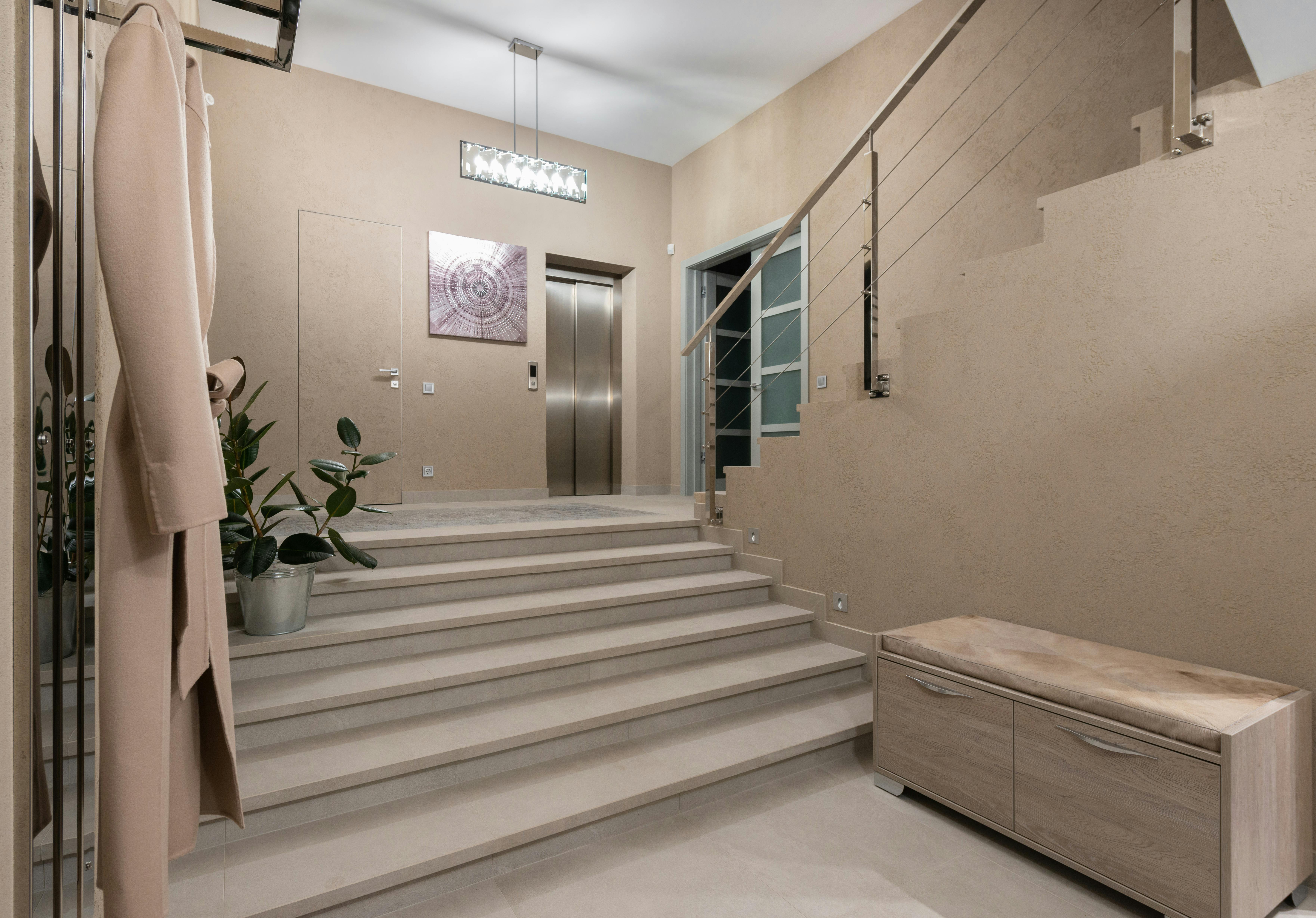
Successful elevator designs maintain architectural continuity with the broader home while offering their own distinctive character. This might mean extending the same stone flooring used throughout the main level, or incorporating architectural details that echo the home’s broader design themes.
Some designers create elevator cabs that function as preview spaces, offering glimpses of the aesthetic experiences awaiting on different floors. An elevator serving a wine cellar level might feature temperature-controlled wine storage built into the cab walls, while one accessing a roof terrace might incorporate living plant elements.
Lighting as sculptural element
Advanced lighting design has become central to luxury elevator transformations. Designers are moving far beyond functional illumination to create lighting that functions as kinetic sculpture. LED systems can create slowly shifting color temperatures that correspond to natural circadian rhythms, while fiber optic installations can simulate starfields or flowing water.