The automotive enthusiast’s dream of a museum-quality car collection space has evolved far beyond the traditional garage. In 2026, luxury vehicle sanctuaries represent the pinnacle of design innovation, where climate-controlled architecture meets professional-grade service stations in spaces that rival the world’s finest automotive museums. These aren’t merely storage facilities—they’re curated environments where engineering artistry is preserved, displayed, and celebrated. The transformation from utilitarian garage to automotive cathedral requires visionary designers who understand that exceptional vehicles deserve exceptional spaces. Today’s elite car collectors demand environments that protect their investments while creating immersive experiences that honor automotive craftsmanship.
The architectural revolution redefining automotive sanctuaries
Contemporary luxury garage design has fundamentally shifted from basic storage to sophisticated architectural statements. Modern automotive sanctuaries incorporate elements traditionally reserved for art galleries and high-end retail spaces. The integration of floor-to-ceiling glass walls, polished concrete floors with radiant heating systems, and strategically positioned lighting creates an environment where vehicles become sculptural centerpieces.
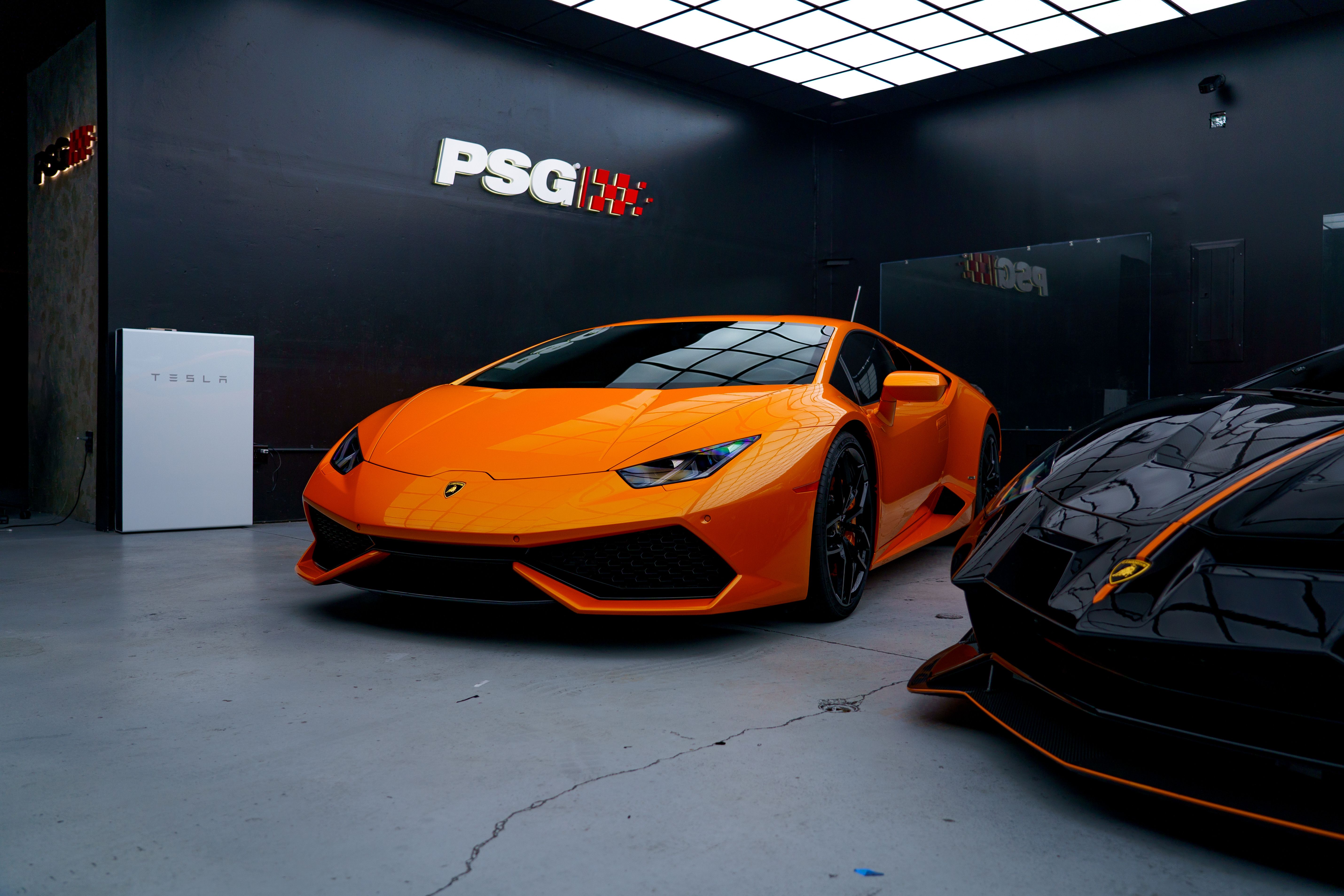
This Photo was taken by FBO Media.
The most innovative designs feature hydraulic car lifts that double as display platforms, allowing collectors to showcase multiple vehicles in vertical configurations. These systems, sourced from companies like BendPak and Rotary Lift, provide both practical maintenance access and dynamic presentation options. The architectural framework supporting these systems must integrate seamlessly with the overall aesthetic while maintaining structural integrity for vehicles weighing up to 8,000 pounds.
Climate control systems in these spaces go beyond basic temperature regulation. Advanced HVAC designs maintain precise humidity levels between 45-55%, preventing condensation that can damage vehicle finishes and interiors. The air filtration systems, often featuring HEPA-grade filters, eliminate dust particles and airborne contaminants that could settle on pristine surfaces.
Material selection for automotive preservation
The choice of construction materials directly impacts both aesthetics and vehicle preservation. Epoxy-coated flooring systems with anti-slip additives provide durability while maintaining the high-gloss finish essential for creating mirror-like reflections beneath displayed vehicles. These specialized coatings, such as those manufactured by Sherwin-Williams, resist chemical stains from automotive fluids while offering easy maintenance protocols.
Wall treatments often incorporate sound-dampening materials that serve dual purposes: acoustic control for quieter environments and vibration reduction that protects sensitive vehicle components. Natural materials like reclaimed wood or stone veneer provide textural contrast against sleek automotive lines while maintaining the sophisticated atmosphere collectors expect.
Climate-controlled display architecture mastery
The science of automotive preservation requires environmental precision that matches museum standards. Temperature fluctuations can cause metal expansion and contraction, leading to stress cracks in vintage paint finishes. Modern climate systems maintain temperatures within 2-degree variations, utilizing zone-based controls that accommodate different areas within the same space.
| Environmental Factor | Optimal Range | Control Method | Impact on Vehicles |
|---|---|---|---|
| Temperature | 68-72°F | Multi-zone HVAC | Prevents material expansion |
| Humidity | 45-55% | Dehumidification systems | Prevents corrosion |
| Air Quality | HEPA filtered | Advanced filtration | Eliminates contamination |
| UV Protection | 99% blockage | Specialized glazing | Prevents paint degradation |
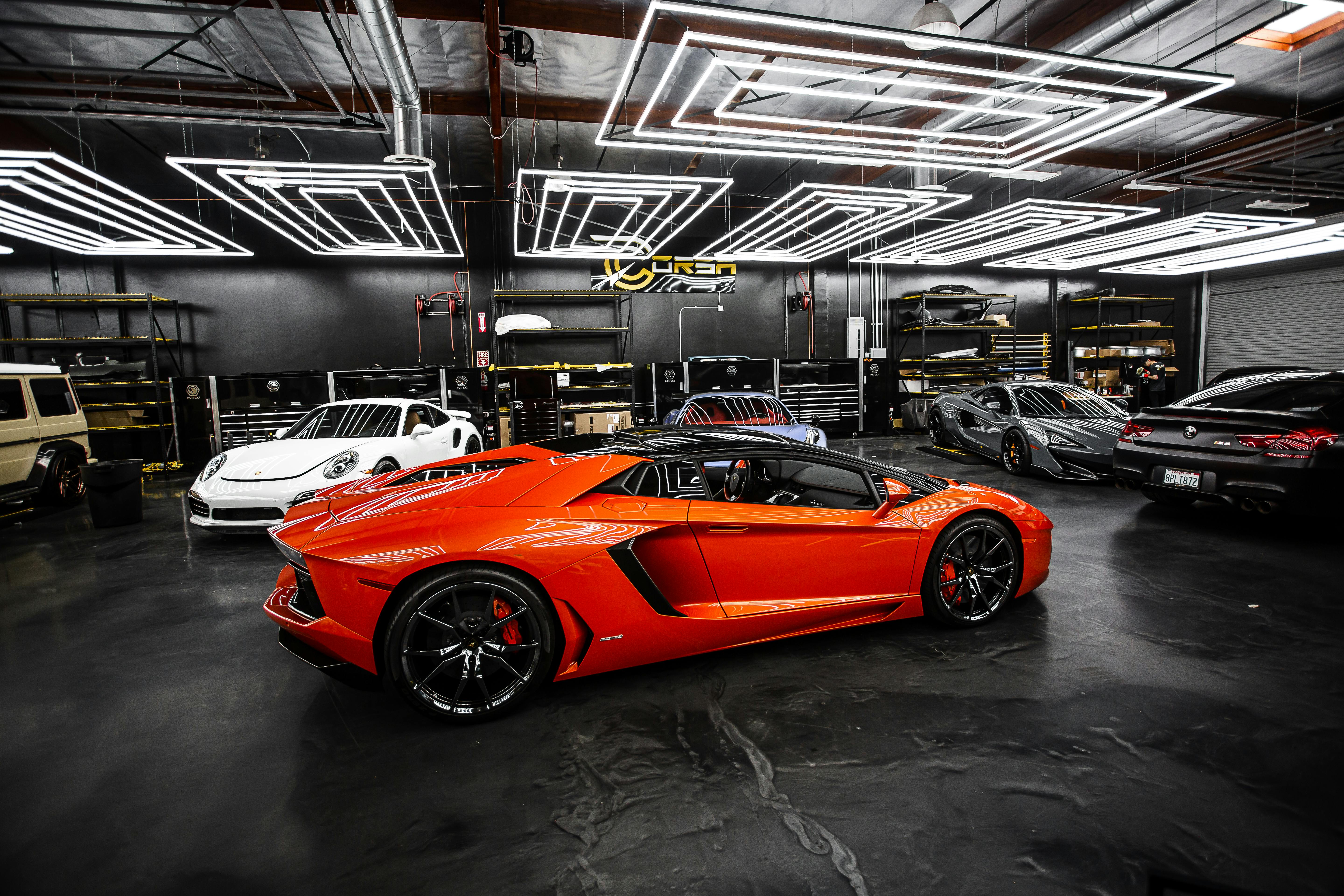
This Photo was taken by Jae Park.
Lighting design requires particular expertise, as traditional lighting can generate heat and emit UV radiation harmful to automotive finishes. LED systems with color temperature controls allow for dramatic presentation while protecting valuable vehicles. Track-mounted spotlights with adjustable beam angles create focal points that highlight specific design elements, similar to techniques used in luxury home theater installations where precise lighting control enhances the viewing experience.
Smart environmental monitoring systems
Contemporary automotive sanctuaries integrate IoT sensors throughout the space, creating comprehensive monitoring networks that track environmental conditions 24/7. These systems send real-time alerts to smartphones when conditions drift outside optimal parameters. The integration extends to security systems that monitor both environmental threats and physical intrusion attempts.
Advanced designs include backup power systems that maintain climate control during electrical outages. Battery backup systems and emergency generators ensure that valuable collections remain protected even during extended power disruptions, preventing the condensation and temperature spikes that can occur when climate control fails.
Professional detailing service station integration
The inclusion of professional-grade detailing stations transforms automotive sanctuaries into complete care facilities. These areas require specialized plumbing for water supply and drainage, electrical infrastructure for high-powered equipment, and ventilation systems that manage chemical vapors safely.

This Photo was taken by Esmihel Muhammed.
Detailing bays incorporate features like overhead hose reels, compressed air systems, and specialized lighting that reveals surface imperfections during the cleaning process. The flooring in these areas requires different specifications than display areas, with enhanced drainage and slip-resistant surfaces that maintain safety when wet.
Equipment storage within detailing areas often features custom millwork similar to designs found in luxury butler’s pantries, where organization and accessibility are paramount. Custom cabinetry houses cleaning products, tools, and equipment while maintaining the sophisticated aesthetic of the overall space.
Water management and drainage systems
Professional detailing operations require sophisticated water management beyond basic floor drains. Many luxury installations include water reclamation systems that filter and reuse wash water, addressing both environmental concerns and operational efficiency. These systems remove contaminants while allowing for water recycling in compliance with local environmental regulations.
Heated wash bays ensure year-round functionality in colder climates, with in-floor heating systems that prevent water freezing and maintain comfortable working conditions. The integration of these systems requires careful coordination between mechanical, electrical, and plumbing trades during the design phase.
Technology integration and smart automation
The automotive sanctuaries of 2026 seamlessly integrate smart home technology with specialized automotive systems. Automated car covers deploy and retract with smartphone commands, protecting vehicles from dust while allowing for dramatic reveals during viewing sessions. These motorized systems integrate with the overall home automation platform, allowing for coordinated lighting and climate scenarios.
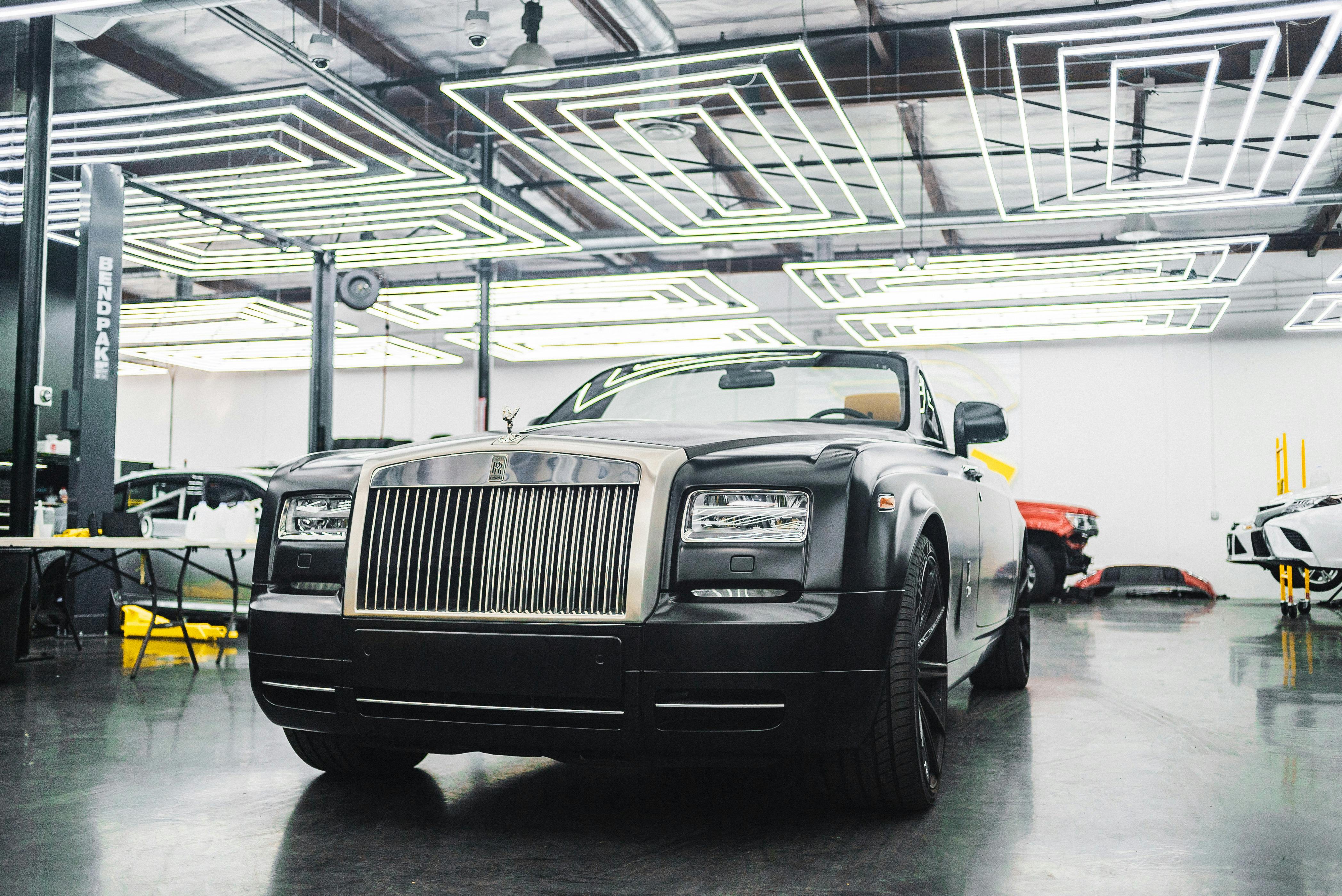
This Photo was taken by Jae Park.
Digital display systems provide information about each vehicle in the collection, including acquisition details, specifications, and maintenance history. These displays, often integrated into the architectural elements, enhance the museum-quality experience while serving practical documentation purposes.
Security integration extends beyond basic alarm systems to include motion sensors, thermal imaging, and AI-powered monitoring that can distinguish between authorized personnel and potential threats. The same level of sophisticated security planning found in luxury home security installations protects these valuable automotive collections.
Charging infrastructure for modern vehicles
As electric and hybrid vehicles become more prevalent in luxury collections, charging infrastructure requires careful integration into the overall design. High-capacity charging stations must blend seamlessly with the architectural aesthetic while providing the electrical capacity needed for multiple vehicles.
The electrical infrastructure supporting these systems often requires substantial upgrades to service panels and may necessitate coordination with utility companies for increased electrical service capacity. Smart charging systems optimize power distribution and can be programmed to charge vehicles during off-peak electrical rate periods.
Creating the complete automotive experience
The most successful automotive sanctuary designs create immersive experiences that celebrate automotive culture beyond mere storage. Lounge areas within the garage space provide comfortable viewing environments where owners and guests can appreciate the collection. These spaces often feature custom furniture, climate-controlled wine storage, and entertainment systems that enhance the social aspect of car collecting.
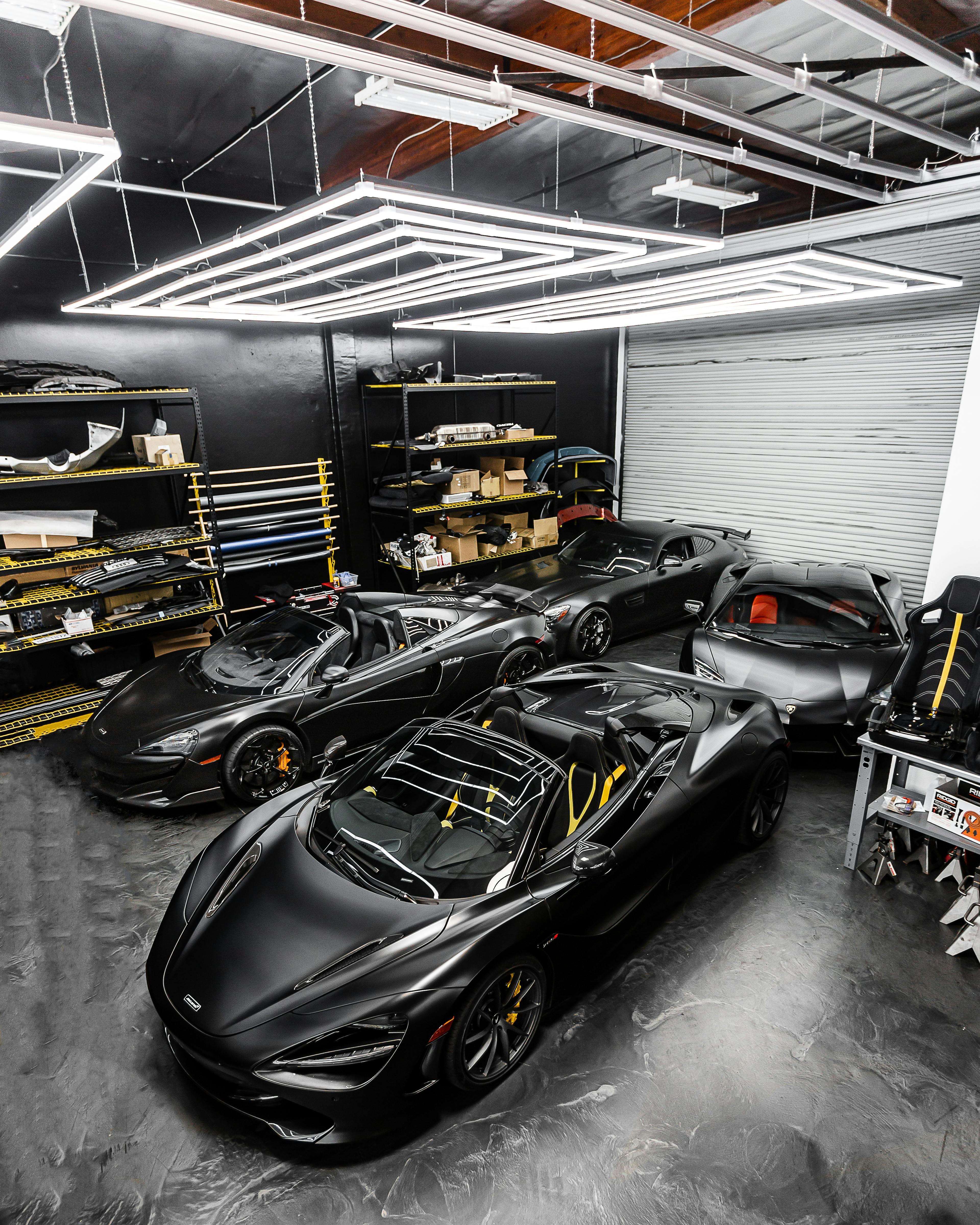
This Photo was taken by Jae Park.
Documentation areas include dedicated spaces for maintaining vehicle records, storing spare parts, and displaying automotive memorabilia. These library-like spaces echo the sophisticated organization found in luxury private libraries, where careful curation and preservation are essential.
The integration of workshop areas allows for minor maintenance and restoration activities within the sanctuary itself. These spaces require specialized ventilation for welding and painting operations, along with tool storage systems that maintain organization while supporting serious automotive work.
Entertaining and event hosting capabilities
Many luxury automotive sanctuaries serve dual purposes as entertainment venues for automotive enthusiast gatherings. The design must accommodate crowd flow, provide adequate lighting for evening events, and include amenities like catering preparation areas and restroom facilities that don’t compromise the space’s primary function.
Audio visual systems allow for presentations about specific vehicles or automotive history, transforming the garage into an educational venue. The acoustic design considerations mirror those found in luxury home entertainment spaces, ensuring clear sound reproduction without echoes that can occur in large, hard-surfaced environments.
Investment value and market trends
The luxury automotive sanctuary market has experienced significant growth, with construction costs ranging from $500 to $2,000 per square foot depending on complexity and finishes. Recent market analysis indicates that properties featuring museum-quality automotive facilities command premium valuations, with increases of 15-25% over comparable properties without such amenities.

This Photo was taken by Auto Records.
The trend toward electrification in luxury vehicles is driving demand for upgraded electrical infrastructure and specialized charging systems. Industry projections suggest that by 2026, over 60% of new luxury vehicle purchases will include some form of electric propulsion, requiring garage designs that accommodate these technological changes.
Insurance considerations for luxury automotive sanctuaries often result in reduced premiums due to enhanced security and climate control systems. The documentation and preservation capabilities of these facilities support higher vehicle valuations and easier claims processing in the event of damage.
Frequently asked questions
What is the typical construction timeline for a luxury automotive sanctuary?
Construction timelines typically range from 6-12 months depending on complexity, with custom millwork and specialized HVAC systems requiring the longest lead times. Planning and permitting can add an additional 3-6 months to the overall project timeline.
How much electrical capacity is required for a full-service automotive sanctuary?
Most installations require 400-800 amp electrical service to support HVAC, lighting, hydraulic lifts, and charging systems. Electric vehicle charging stations alone can require 240V/50+ amp circuits for each vehicle position.
What maintenance is required for climate-controlled automotive spaces?
Regular HVAC filter changes every 3 months, annual system inspections, and quarterly calibration of environmental sensors ensure optimal performance. Professional deep cleaning and equipment servicing should occur annually.
Can existing garages be converted to museum-quality automotive sanctuaries?
Most existing structures can be upgraded, though significant modifications to electrical, HVAC, and structural systems are typically required. Floor preparation, insulation upgrades, and window replacements are common conversion requirements.
What security features are essential for luxury automotive collections?
Multi-layered security including motion sensors, thermal imaging, reinforced entry points, and 24/7 monitoring systems provide comprehensive protection. Integration with home security systems allows for centralized monitoring and response.
How do luxury automotive sanctuaries impact property insurance?
Properly designed sanctuaries with adequate security and climate control often qualify for reduced insurance premiums. The enhanced protection for valuable vehicles can result in overall insurance savings despite higher property values.
The future of automotive collecting and display
The evolution of luxury automotive sanctuaries represents more than architectural achievement—it embodies a fundamental shift in how we value and preserve automotive artistry. These spaces recognize that exceptional vehicles deserve environments equal to their craftsmanship and cultural significance. The integration of museum-quality preservation techniques with cutting-edge technology creates sanctuaries that protect investments while enhancing the emotional connection between collector and collection. As the automotive industry continues its transformation toward electrification and autonomous systems, these carefully designed spaces will serve as bridges between automotive heritage and future innovation. The visionary designers creating these sanctuaries understand that they’re not just building garages—they’re crafting temples to human engineering achievement that will inspire and preserve automotive culture for generations to come.