Picture this: You descend through a concealed entrance behind a bookshelf, your footsteps muffled by Persian rugs as you enter a world where mahogany-paneled walls gleam under amber lighting, and the sound of jazz mingles with the soft clink of crystal decanters. This isn’t a scene from a 1920s film—it’s the reality of luxury underground entertainment lounges and private speakeasies that today’s most visionary designers are crafting in high-end homes across America.
The challenge? Most basement renovations result in sterile media rooms or forgettable rec spaces that lack soul, sophistication, and the kind of atmospheric magic that transforms an evening into an experience. But master designers are revolutionizing subterranean spaces with climate-controlled whiskey vaults, bespoke acoustic isolation systems, and architectural elements that rival the most exclusive private clubs in Manhattan.
This Photo was taken by cottonbro studio.
The underground renaissance of prohibition-era elegance
The modern speakeasy transformation represents far more than aesthetic nostalgia. Leading interior architects report a 340% increase in requests for prohibition-era entertainment spaces since 2024, driven by homeowners seeking authentic experiences that transport guests to a bygone era of sophistication and exclusivity.
These spaces solve a fundamental problem in luxury home design: how to create intimate gathering spaces that feel separate from daily life while maintaining the technological sophistication expected in premium properties. The answer lies in masterful integration of period-appropriate design elements with cutting-edge environmental and acoustic engineering.
Top designers begin every speakeasy transformation by studying the architectural bones of legendary establishments like New York’s Please Don’t Tell and Chicago’s The Violet Hour. They analyze how these spaces manipulate lighting, sound, and spatial flow to create psychological separation from the outside world—then replicate these principles using advanced building technologies unavailable during Prohibition.
The psychology of subterranean sanctuaries
Underground entertainment spaces tap into primal human psychology. According to environmental psychologist Dr. Sally Augustin, descending below ground level triggers what researchers call “cave consciousness”—a state where people naturally lower their voices, move more deliberately, and engage in deeper conversations.
Visionary designers leverage this psychological shift by creating transition sequences that gradually separate guests from the everyday world above. A typical transformation might feature a narrow staircase lined with vintage photographs, followed by a heavy wooden door with brass hardware, then finally the reveal of the main space—each element building anticipation and reinforcing the sense of entering somewhere special.
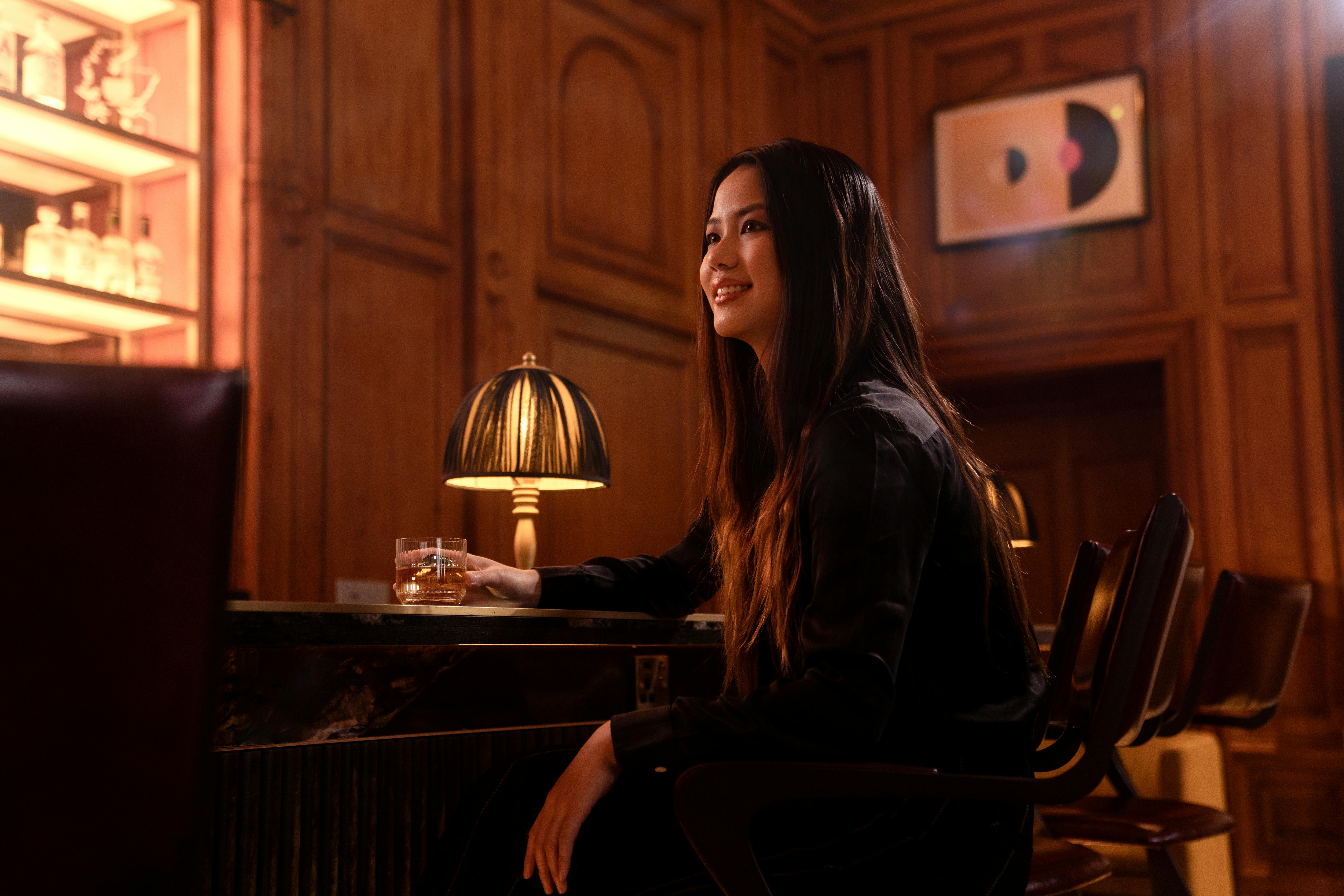
This Photo was taken by The OurWhisky Foundation 🥃.
Climate-controlled whiskey vault architecture
The centerpiece of any authentic speakeasy transformation is its spirits collection, and proper storage requires precision engineering that goes far beyond a simple wine cooler. Professional whiskey vault systems maintain temperatures between 60-65°F with humidity levels precisely controlled at 55-60%, preventing cork degradation while preserving the integrity of aged spirits.
Leading manufacturers like EuroCave and Vigilant report that premium whiskey vault installations now incorporate multi-zone climate systems that can accommodate different storage requirements within a single space. Rare whiskeys demand different conditions than everyday bottles, and the most sophisticated systems create micro-climates within individual display sections.
| Spirit Type | Optimal Temperature | Humidity Range | Storage Method |
|---|---|---|---|
| Vintage Scotch | 62-64°F | 55-58% | Upright, minimal light |
| Bourbon Collection | 60-63°F | 50-55% | Upright, controlled humidity |
| Japanese Whisky | 59-62°F | 45-50% | Dark storage, stable temperature |
| Rare Cognac | 61-65°F | 60-65% | Upright, humidity critical |
The architectural integration of these systems requires careful planning. Designers conceal climate control equipment within custom millwork that appears to be decorative elements—think faux books that actually house humidity sensors, or ornamental columns that contain temperature regulation systems. This approach, similar to the sophisticated environmental systems found in luxury wine cellar transformations, ensures the technology serves the experience rather than dominating it.
Display and security integration
Beyond climate control, premium whiskey vaults incorporate museum-quality display systems with integrated security features. LED lighting systems use specific color temperatures (2700K-3000K) that enhance the amber tones of aged spirits without generating heat that could affect storage conditions.
Security integration includes biometric locks, motion sensors, and inventory tracking systems that monitor bottle movement—all concealed within period-appropriate cabinetry. The most advanced installations connect to whole-home security networks, providing the same level of protection found in luxury security command centers.
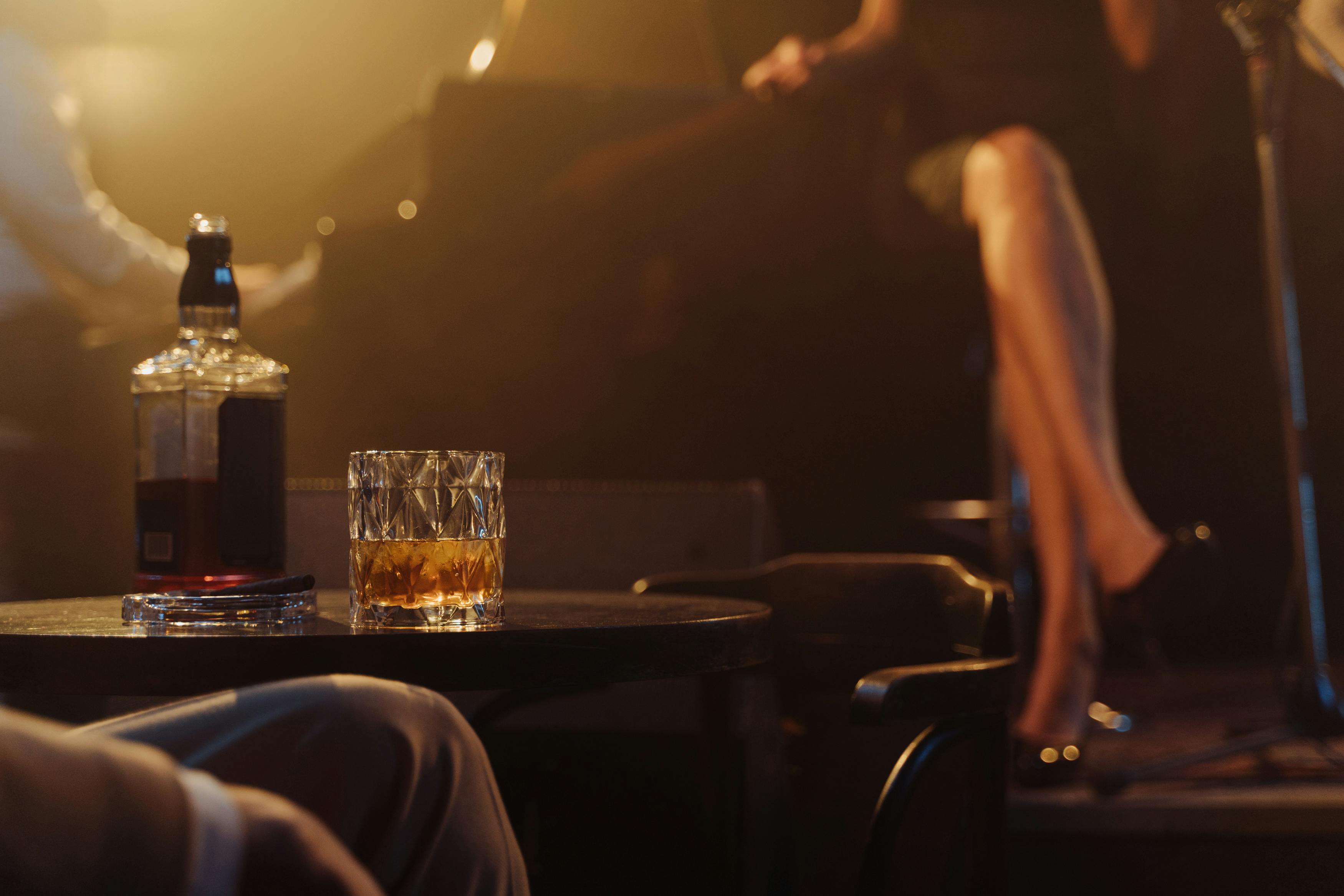
This Photo was taken by cottonbro studio.
Bespoke acoustic isolation systems
Sound engineering represents the most critical technical challenge in underground entertainment spaces. Unlike traditional home theater installations that focus on sound projection, speakeasies require acoustic systems that create intimacy while preventing sound transfer to other areas of the home.
Professional acoustic engineers use a combination of isolation and absorption techniques specifically designed for social spaces. Mass-loaded vinyl barriers within walls prevent low-frequency sound transmission, while strategically placed acoustic panels disguised as decorative elements absorb mid and high frequencies that carry conversation and music.
The science of speakeasy sound
Research from the Acoustic Society of America indicates that optimal conversation spaces maintain background noise levels between 35-45 decibels, with reverberation times around 0.6-0.8 seconds. These specifications create an environment where people can speak in normal tones while maintaining privacy from adjacent areas.
Advanced installations incorporate active noise control systems that use microphones to detect unwanted sounds and speakers to generate canceling frequencies. This technology, originally developed for aircraft cabins, allows underground spaces to achieve remarkable acoustic separation even in homes with open floor plans above.
Designers integrate these systems within period-appropriate elements like coffered ceilings, decorative moldings, and upholstered furniture. A typical installation might hide speakers within replica 1920s radio cabinets, while acoustic panels masquerade as leather-bound book collections or vintage artwork.

This Photo was taken by The OurWhisky Foundation 🥃.
Gentleman’s club architectural elements
Authentic gentleman’s club aesthetics require specific architectural proportions and material selections that create the sense of established tradition. Master designers study clubs like The Union Club in New York and White’s in London to understand how these spaces use height, proportion, and material contrast to communicate exclusivity and permanence.
Ceiling height plays a crucial role—spaces feel most authentic with 9-10 foot ceilings that create intimacy without claustrophobia. Coffered ceiling treatments add visual weight while concealing modern systems, and crown molding profiles borrowed from Georgian architecture provide the detailed craftsmanship that distinguishes premium installations from basic renovations.
Material selection and craftsmanship
Wall treatments form the foundation of authentic club atmosphere. Traditional installations feature wainscoting in quarter-sawn oak or mahogany, rising 42-48 inches from the floor with detailed chair rail profiles. Above the wainscot, designers often specify grasscloth wallpapers or leather panels that add texture while providing additional acoustic absorption.
Flooring selections balance authenticity with practical requirements for entertaining spaces. Reclaimed heart pine or antique chestnut planks provide historical accuracy, while modern polyurethane finishes ensure durability against spills and foot traffic. Persian or Oushak rugs define seating areas while adding warmth and additional sound absorption.
Millwork details separate premium installations from amateur attempts at period style. Hand-carved brackets, fluted pilasters, and dentil moldings require traditional joinery techniques that few contemporary craftsmen possess. The most successful projects employ specialty millworkers who understand both historical construction methods and modern building requirements.

This Photo was taken by Pavel Danilyuk.
Lighting design for atmospheric transformation
Lighting design makes or breaks the speakeasy experience. The goal is recreating the warm, intimate glow of 1920s establishments using modern LED technology that provides energy efficiency and precise control. Successful installations layer multiple light sources at different heights to eliminate harsh shadows while creating visual depth.
Table lamps with silk shades provide primary lighting for seating areas, while recessed accent lights highlight artwork and architectural features. Wall sconces flanking the bar area create task lighting for cocktail preparation, and hidden LED strips within crown molding provide subtle ambient illumination that can be adjusted throughout the evening.
Color temperature proves critical—warm white LEDs at 2700K replicate the golden glow of incandescent bulbs, while avoiding the blue-white light that destroys period atmosphere. Dimming systems allow hosts to adjust lighting throughout the evening, creating brighter settings for dinner parties and intimate levels for late-night conversations.
Integration with smart home systems
Modern speakeasy installations integrate seamlessly with whole-home automation systems, similar to the technological sophistication found in executive command centers. Preset lighting scenes instantly transform the space for different activities—”Cocktail Hour” might emphasize bar lighting while dimming seating areas, while “Private Dining” balances illumination for both conversation and food service.
Advanced systems incorporate occupancy sensors that gradually adjust lighting as guests move through the space, and integration with music systems allows synchronized lighting and sound programming. The technology remains completely hidden, preserving the illusion of stepping back in time while providing modern convenience.
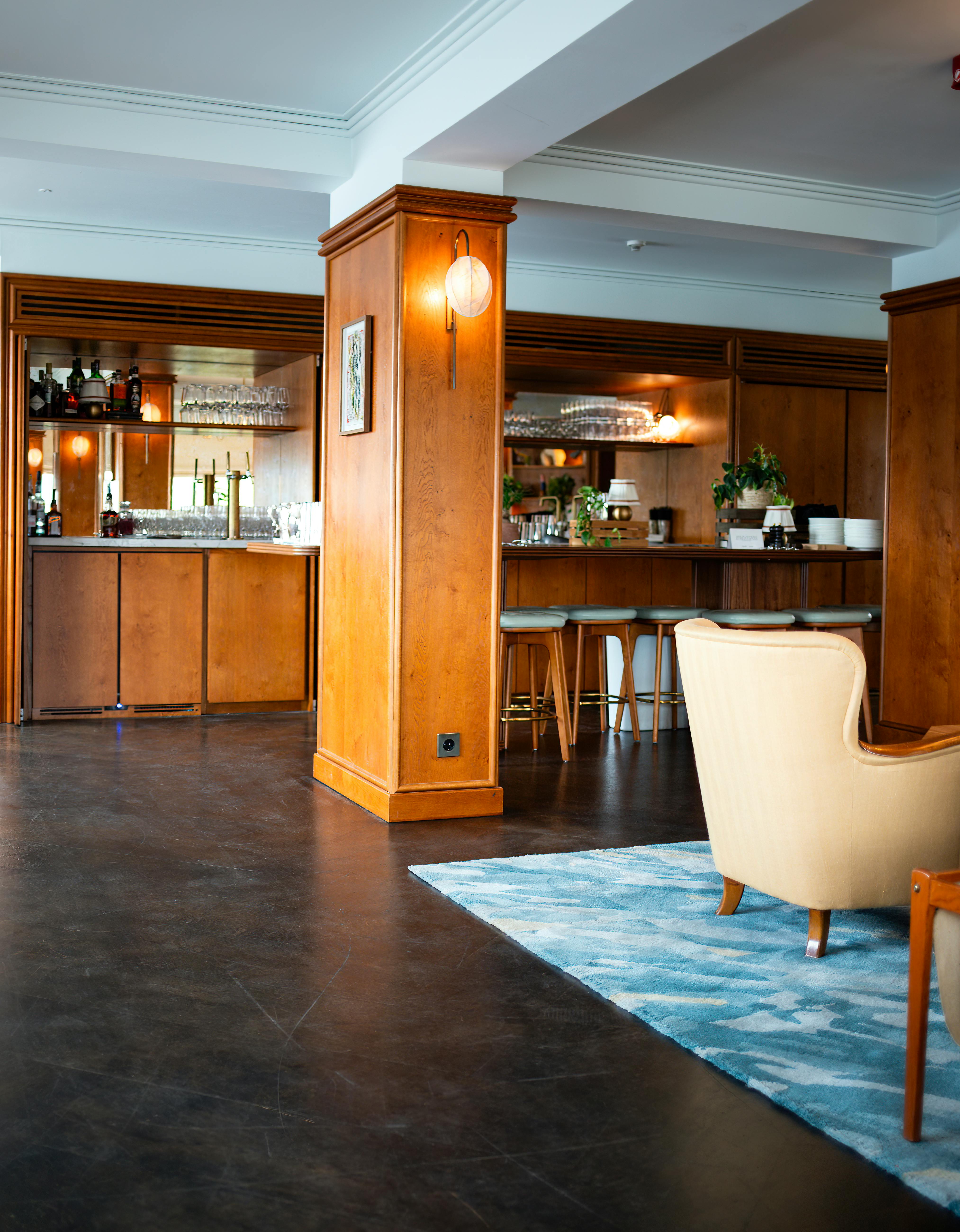
This Photo was taken by Filip Rankovic Grobgaard.
Ventilation and air quality engineering
Underground spaces present unique ventilation challenges that require sophisticated engineering solutions. Without proper air circulation, even the most beautiful speakeasy becomes uncomfortable within hours of occupation. Professional installations incorporate dedicated HVAC systems that exchange air every 20-30 minutes while maintaining temperature and humidity control.
Advanced installations include air purification systems with activated carbon filters that remove odors while UV sterilization components eliminate airborne contaminants. These systems prove particularly important for spaces that accommodate cigar smoking, requiring specialized exhaust systems that prevent smoke migration to other areas of the home.
Concealed system integration
The challenge lies in concealing modern ventilation equipment within period-appropriate architecture. Supply air diffusers hide within decorative ceiling medallions, while return air grilles disguise themselves as floor registers with antique brass designs. Ductwork runs within furred-out spaces behind wainscoting or above coffered ceilings, maintaining the illusion of historical construction while providing modern performance.
Noise control for HVAC systems requires special attention in intimate spaces. Variable speed equipment reduces operating noise, while vibration isolation mounts prevent mechanical sounds from transmitting through the building structure. The goal is system operation that remains completely unnoticed by guests.
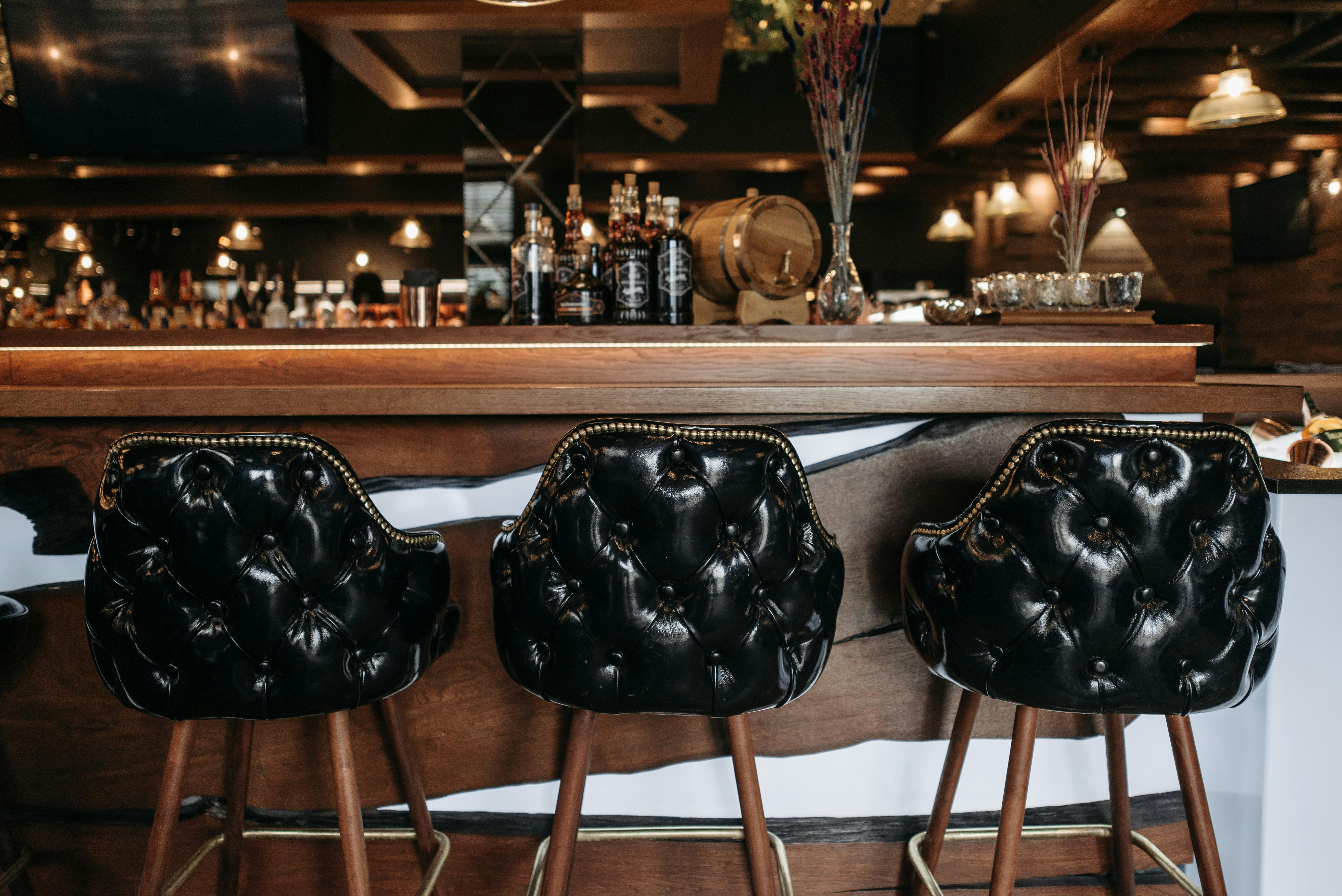
This Photo was taken by Pavel Danilyuk.
Furniture selection and spatial planning
Authentic speakeasy furniture balances period accuracy with modern comfort requirements. Chesterfield sofas in rich leather provide seating that looks appropriate while offering contemporary comfort standards. Wing-back chairs create intimate conversation areas, while game tables accommodate cards or chess without appearing out of place.
Spatial planning follows specific patterns established by successful clubs and lounges. Seating arrangements create multiple conversation zones while maintaining sight lines that allow hosts to oversee the entire space. The bar typically occupies a prominent position where bartenders can interact with all guests while preparing drinks with theatrical flair.
Custom furniture often proves necessary to achieve proper scale and proportion. Standard residential furniture appears diminutive in spaces with high ceilings and substantial millwork, while commercial club furniture may overwhelm intimate residential spaces. The most successful installations commission pieces specifically scaled for their environments.
Hidden technology integration
Modern convenience requirements necessitate creative solutions for technology integration. Charging stations hide within traditional writing desks, while modern temperature controls disguise themselves as vintage thermostats. Television screens retract into custom cabinets designed to match existing millwork, appearing only when needed for special events.
Similar to the sophisticated integration found in luxury executive offices, these spaces balance period authenticity with modern functionality through careful planning and custom solutions.
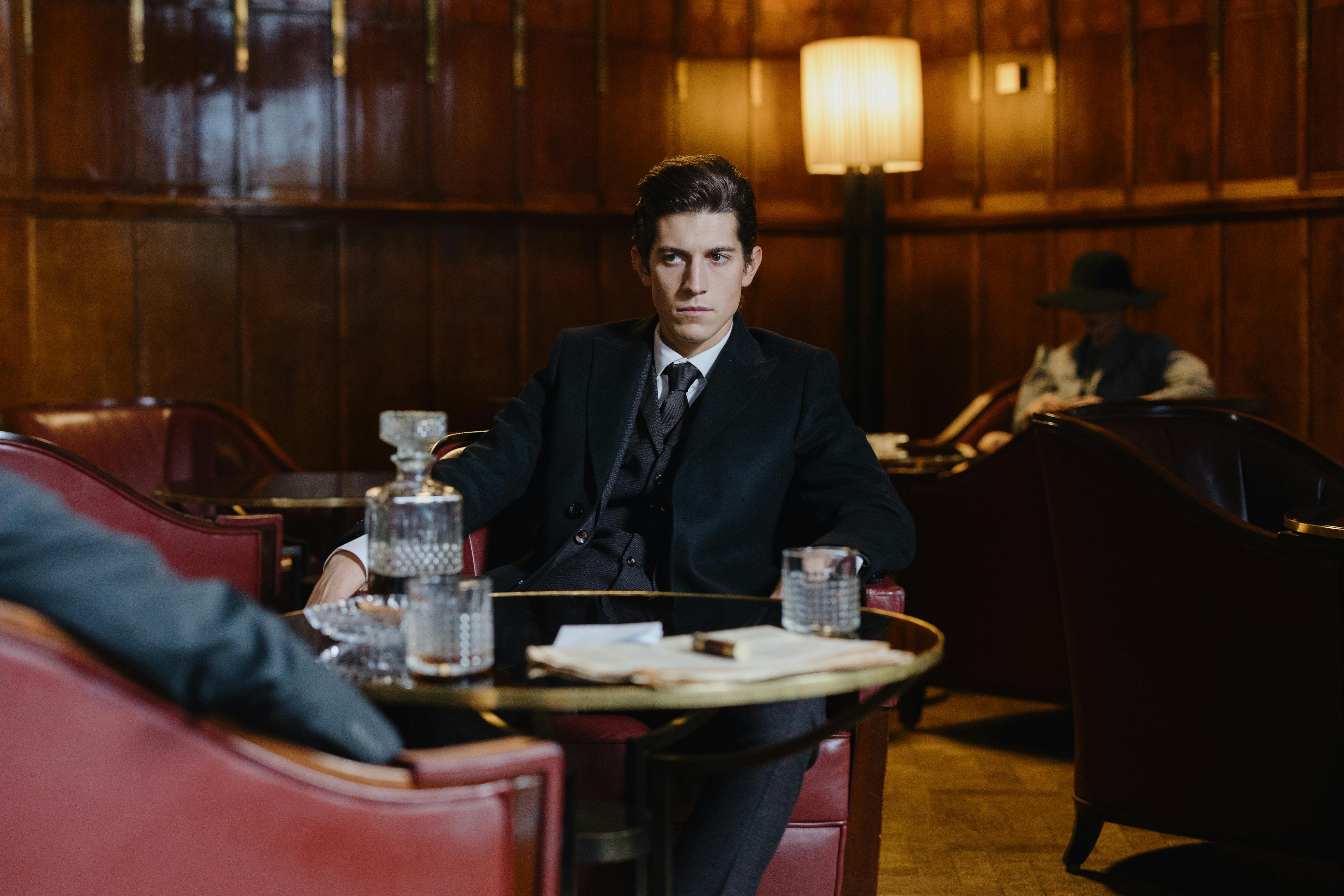
This Photo was taken by cottonbro studio.
Bar design and equipment selection
The bar represents the functional and aesthetic centerpiece of any speakeasy transformation. Professional installations incorporate commercial-grade equipment disguised within residential-scale cabinetry that maintains appropriate proportions for intimate spaces. Ice machines, refrigeration units, and glass washing stations integrate seamlessly within custom millwork designed to match the room’s architectural character.
Bar top materials require careful selection for both appearance and performance. Reclaimed wood provides authenticity but requires protective finishes that resist alcohol and water damage. Zinc or copper surfaces offer period accuracy with natural antimicrobial properties, while granite or quartz provides durability with classic appearance.
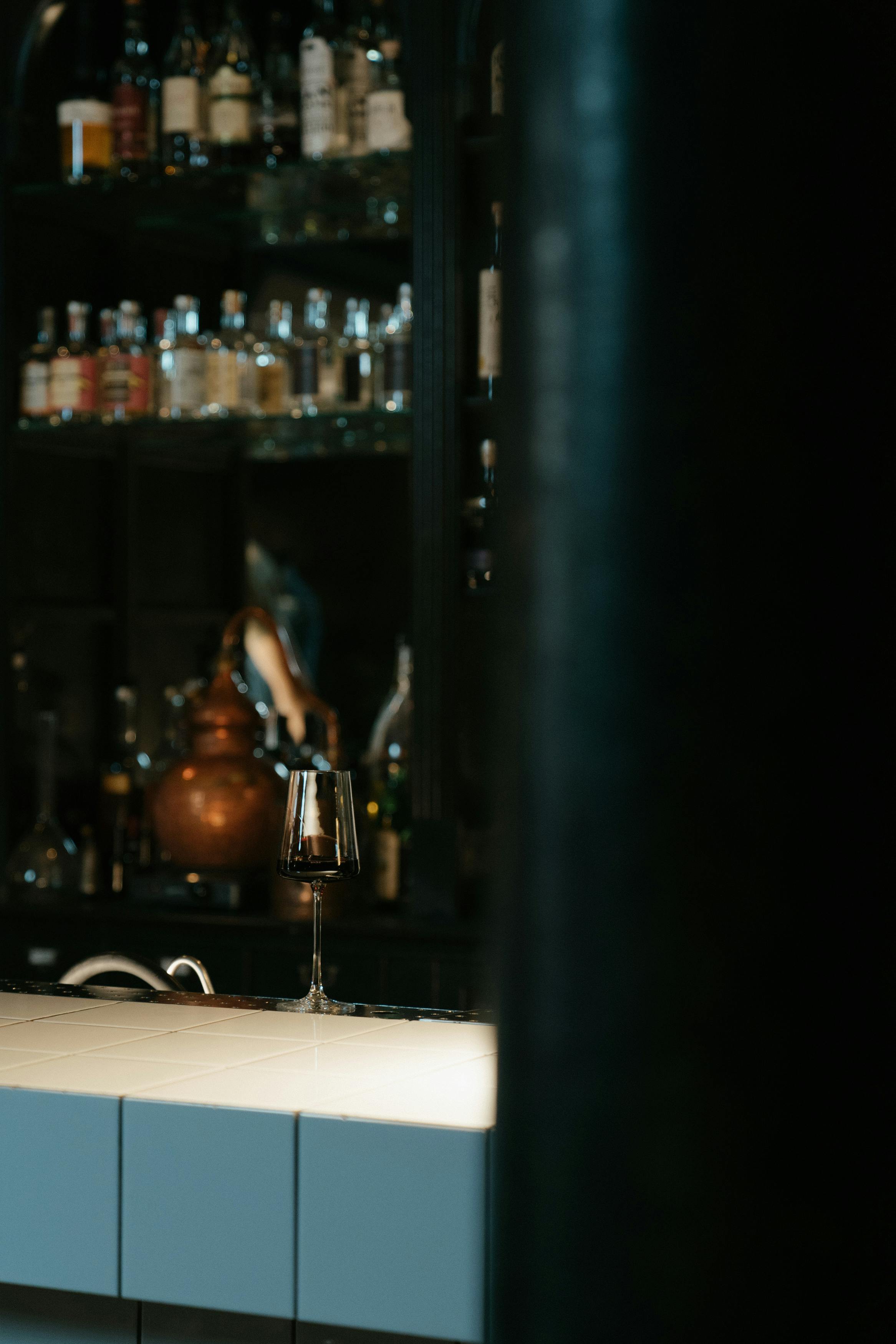
Back bar design showcases spirits collections while providing functional storage for glassware and bar tools. Mirrored backing with decorative etching reflects light while creating visual depth, and LED accent lighting highlights premium bottles without generating heat that could affect stored spirits.
Professional bartending features
Serious entertaining requires professional-grade equipment that enables complex cocktail preparation. Speed rails organize frequently used spirits for efficient service, while dedicated cocktail stations provide space for multiple drink preparation. Crushed ice wells maintain proper temperatures for different cocktail styles, and separate prep sinks allow bartenders to work without interfering with guest service.
Draft beer systems integrate within bar designs through period-appropriate tap handles and concealed refrigeration lines. Wine service areas include proper storage at serving temperatures, while champagne service requires both storage and service equipment that maintains optimal presentation standards.
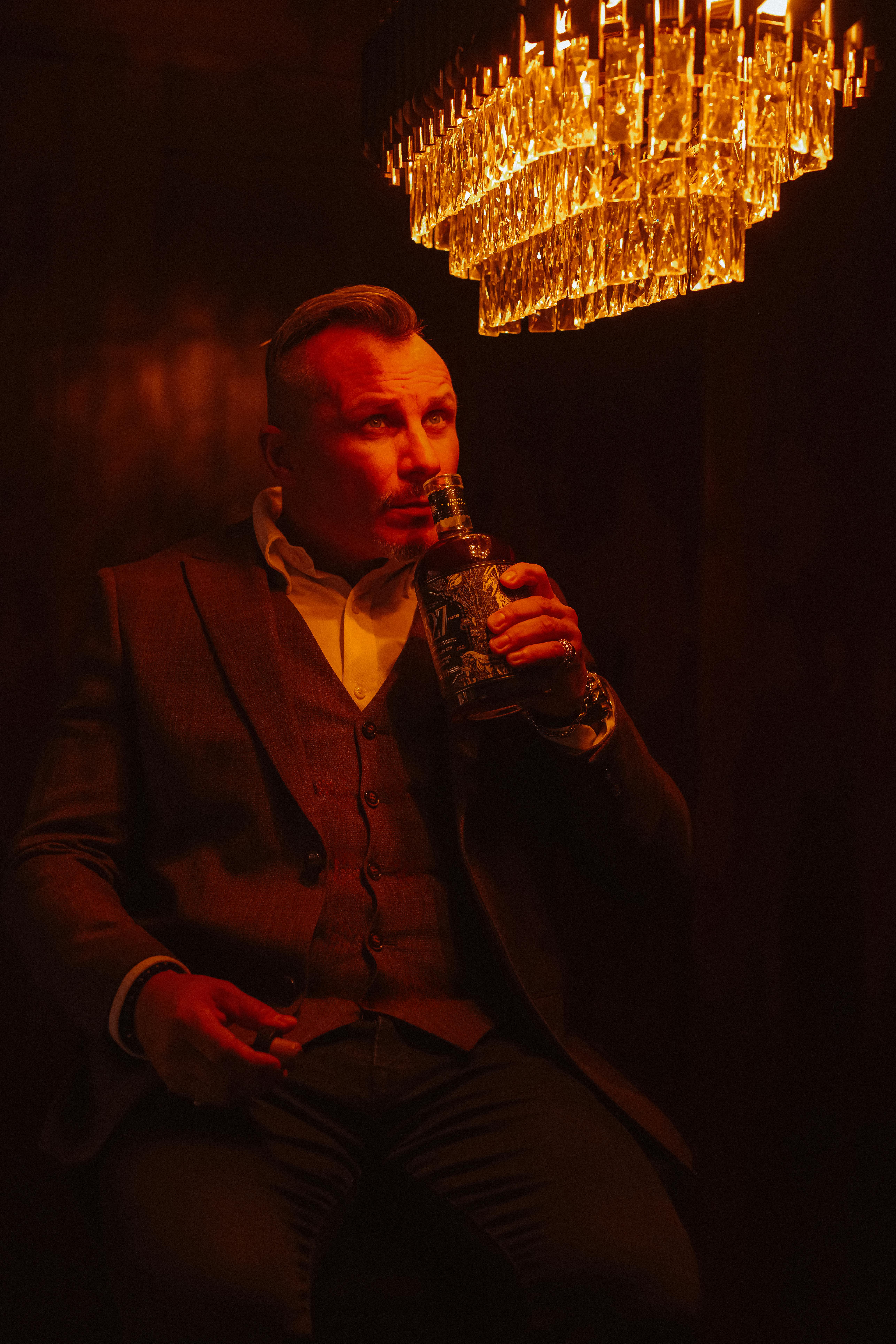
This Photo was taken by Konstantin Mishchenko.
Cost considerations and project planning
Luxury speakeasy transformations represent significant investments that require careful planning and realistic budgeting. According to the National Association of Home Builders, premium basement renovations average $75-150 per square foot, but authentic speakeasy installations often exceed $200-300 per square foot due to specialized systems and custom millwork requirements.
Climate control systems alone can range from $15,000-50,000 depending on space size and system sophistication. Custom millwork typically represents 25-35% of total project costs, while acoustic engineering adds another 15-20% to base construction expenses. Professional-grade bar installations range from $25,000-75,000 including equipment and custom cabinetry.
| Project Component | Budget Range | Percentage of Total | Timeline |
|---|---|---|---|
| Custom Millwork | $40,000-120,000 | 25-35% | 8-12 weeks |
| HVAC/Climate Systems | $15,000-50,000 | 12-18% | 3-4 weeks |
| Acoustic Engineering | $20,000-60,000 | 15-20% | 4-6 weeks |
| Bar Installation | $25,000-75,000 | 18-25% | 6-8 weeks |
Project timelines typically span 4-8 months from design completion to final installation. Custom millwork represents the longest lead time component, often requiring 10-16 weeks for fabrication and installation. Acoustic and climate control systems require coordination with structural work, while bar installations happen near project completion to prevent damage during construction.
Working with specialized contractors
Successful speakeasy transformations require contractors with specific expertise in luxury residential construction and historical reproduction techniques. General contractors experienced in premium bathroom renovations or formal dining room transformations often possess the attention to detail required for authentic period reproductions.
Specialty subcontractors include acoustic engineers, climate control specialists, and master millworkers capable of traditional joinery techniques. The most successful projects employ design-build firms that coordinate these specialists throughout the process, ensuring seamless integration of all systems and finishes.
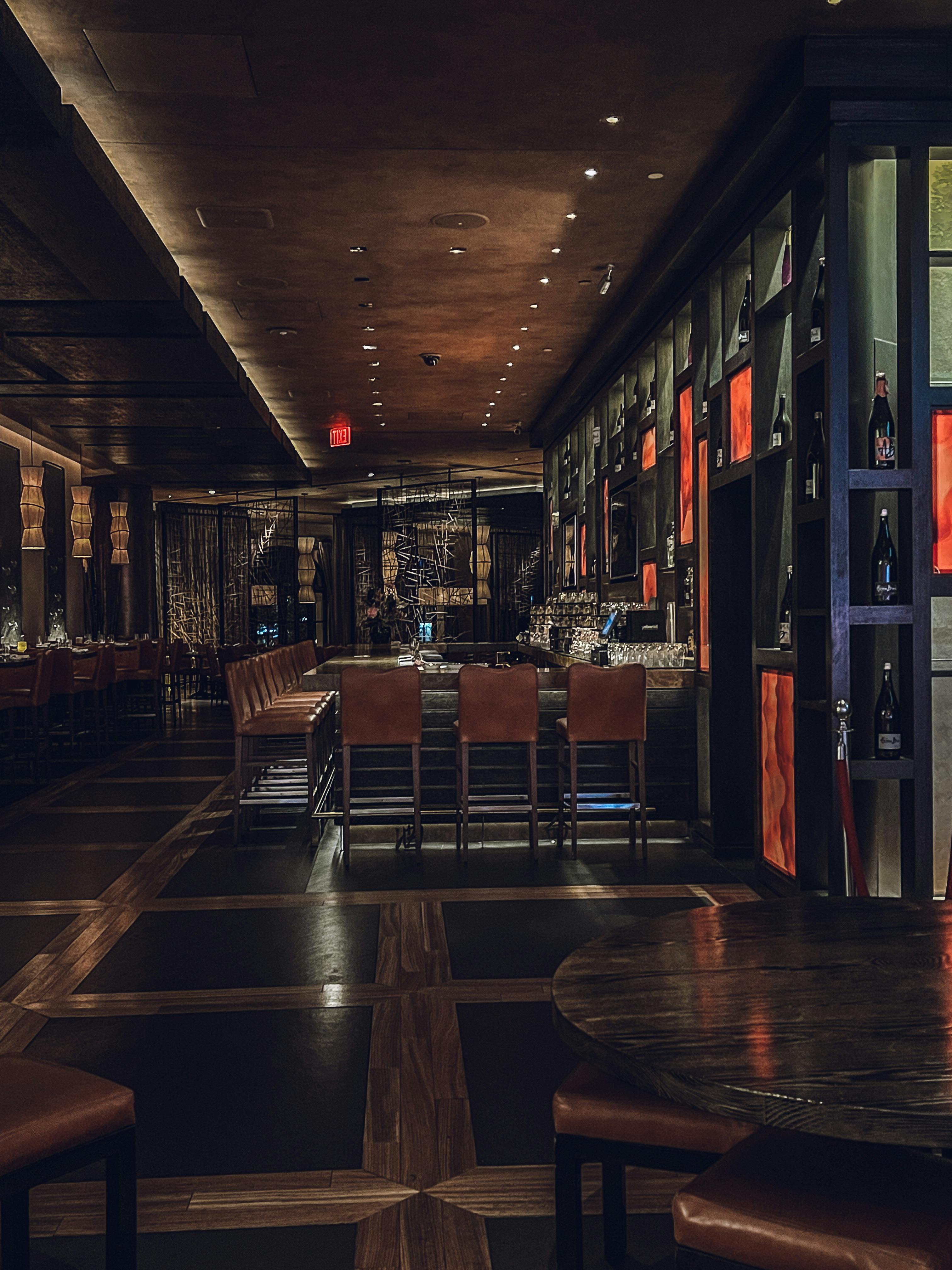
This Photo was taken by Eric Nixon.
Frequently asked questions
How much does a luxury underground speakeasy transformation cost?
Premium speakeasy installations typically range from $150,000-500,000 for a 400-600 square foot space, depending on finish levels and system sophistication. Custom millwork, climate control, and acoustic engineering represent the largest cost components, while luxury finishes and professional-grade bar equipment add significant additional investment.
What are the key structural requirements for underground entertainment spaces?
Successful installations require proper waterproofing, adequate ceiling height (minimum 8 feet, preferably 9-10 feet), and structural capacity for heavy millwork and equipment. Existing HVAC systems rarely provide adequate ventilation for entertainment spaces, necessitating dedicated climate control systems with outside air introduction.
How do you achieve authentic 1920s atmosphere with modern building codes?
Professional designers balance historical accuracy with code compliance through creative interpretation of period elements. Modern fire suppression systems hide within decorative ceiling treatments, while emergency egress requirements integrate with concealed exit strategies that maintain aesthetic integrity.
What maintenance requirements come with climate-controlled whiskey storage?
Professional storage systems require quarterly filter changes, annual calibration of temperature and humidity sensors, and regular inspection of seals and insulation. Proper maintenance ensures optimal storage conditions while preventing equipment failure that could damage valuable collections.
Can existing basement spaces accommodate full speakeasy transformations?
Most basements can accommodate speakeasy conversions with proper planning and engineering. Key considerations include adequate ceiling height, structural capacity for millwork loads, and access for equipment installation. Waterproofing and insulation upgrades often prove necessary for optimal climate control performance.
How long do speakeasy transformation projects typically take?
Complete installations typically require 4-8 months from design approval to final completion. Custom millwork fabrication represents the longest lead time, while acoustic and climate control installation requires 6-8 weeks. Coordination of multiple specialized trades often extends timelines beyond standard renovation schedules.
The timeless appeal of sophisticated sanctuary spaces
The resurgence of luxury underground entertainment spaces reflects a deeper desire for authentic experiences in an increasingly digital world. These prohibition-era sanctuaries provide something that virtual entertainment cannot—the physical sensation of stepping into a different era, surrounded by the craftsmanship and attention to detail that defined luxury in a bygone age.
Master designers who create these transformations understand that technical excellence serves emotional goals. Climate-controlled whiskey vaults preserve valuable collections, but they also create ritual around the selection and service of fine spirits. Acoustic isolation systems prevent sound transmission, but they also foster the intimate conversations that define memorable evenings. Every system and surface works together to transport guests from the everyday world above ground into a realm of sophisticated pleasure.
The investment required for authentic speakeasy transformations reflects their complexity, but also their permanence. Unlike trendy design movements that feel dated within a few years, well-executed gentleman’s club aesthetics possess timeless appeal that actually improves with age. These spaces become family gathering places that create lasting memories across generations—intimate settings where business deals unfold over aged whiskey, where friendships deepen through late-night conversations, and where the art of hospitality reaches its highest expression. In an age of constant connectivity and public exposure, the private speakeasy offers something increasingly rare: a sanctuary where time moves more slowly, conversations run deeper, and every detail serves the goal of human connection.