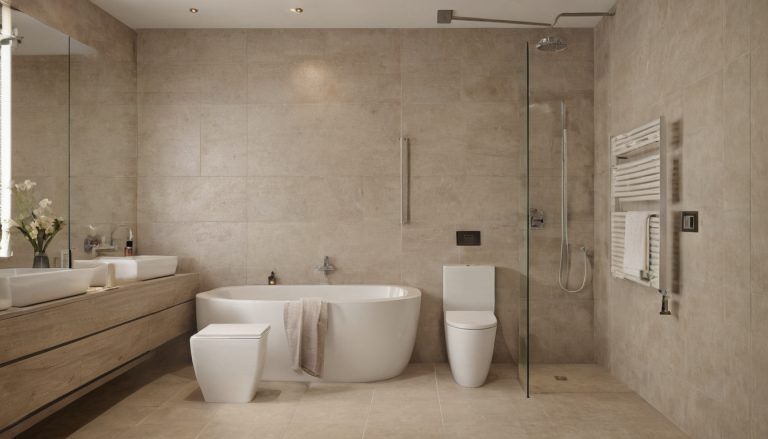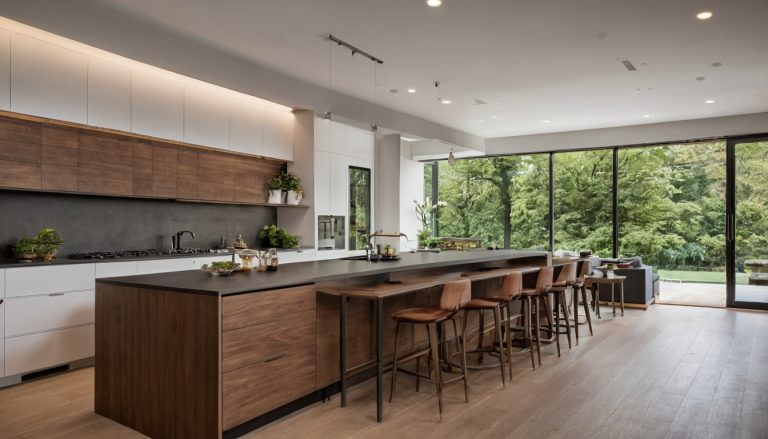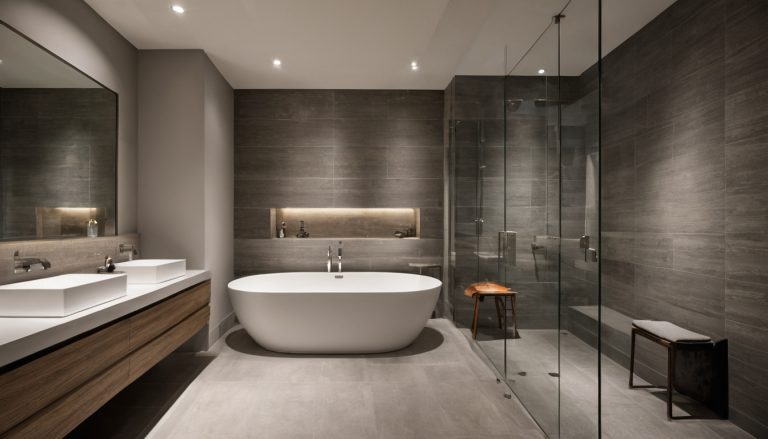
A luxury home addition is not ready for meaningful home addition contractor pricing until old and new construction are resolved as one house: structure, roof drainage, utilities, circulation, exterior envelope, mechanical comfort, and finish continuity.
The owner’s goal is usually seamless added space. The risk is that vague phrases such as “match existing” or “tie into existing” hide the expensive parts: load paths, flashing, HVAC capacity, floor levels, exterior alignment, and site protection. Use these six pre-bid tests before comparing proposals.
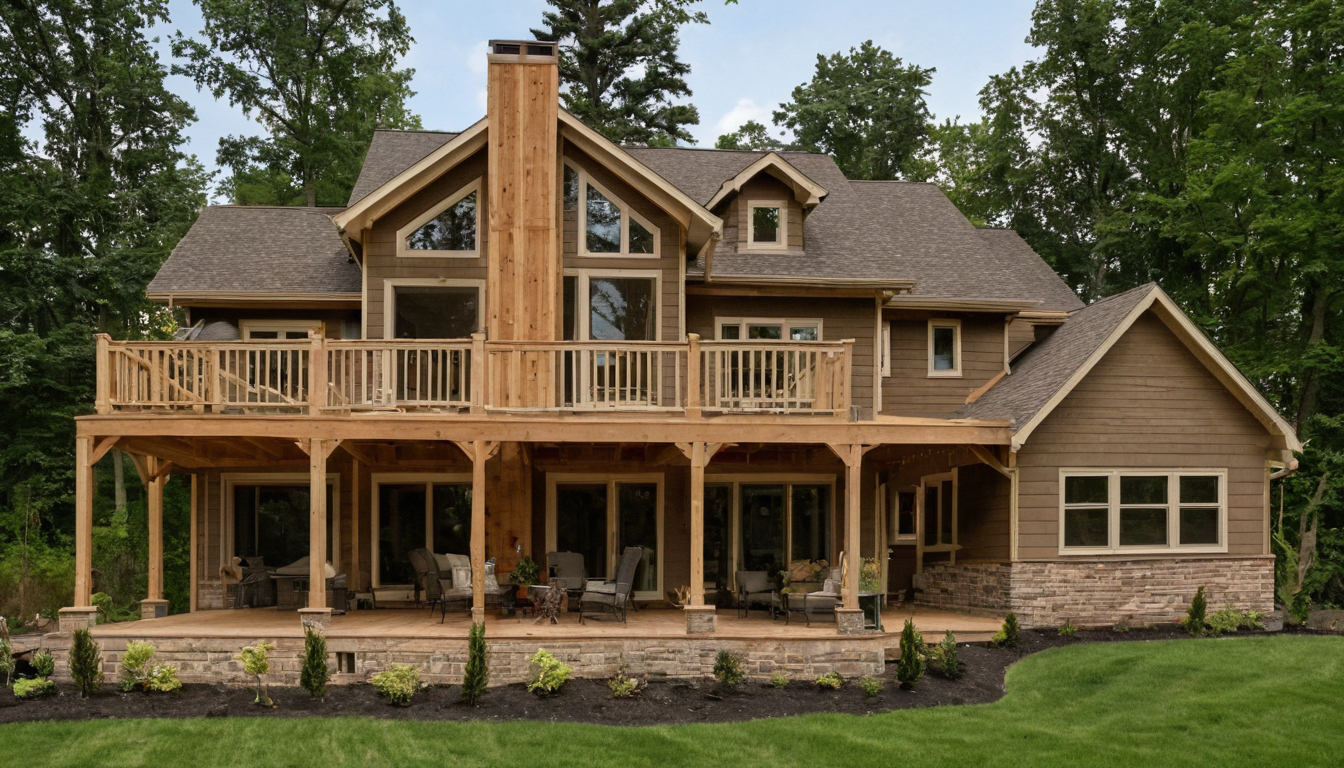
Luxury Home Addition Planning: Structural Tie-Ins, Rooflines, HVAC Capacity, and Finish Continuity shown with practical context cues.
A luxury home addition should be evaluated as a whole-house integration problem before contractor pricing
A luxury home addition should be priced only after the parcel, structure, envelope, systems, and finishes have enough definition for every contractor to bid the same technical problem.
| Pre-bid test | Minimum evidence before pricing |
|---|---|
| Parcel and zoning fit | Request a site plan, survey, easement review, setback review, footprint calculation, height analysis, overlay check, and HOA or historic review notes. Nashville’s addition guidance shows the kind of issues local review can include: setbacks, footprint, height, easements, and parcel overlays. The same guidance says some front setbacks use the average distance of the four nearest homes on the same block face, and properties in the Urban Zoning Overlay are limited to 45 feet within 3 stories. Local addition permit guidance |
| Technical drawings | Require existing-house documentation, proposed floor plans, elevations, sections, foundation notes, roof form, structural sheets, energy notes, mechanical notes, and finish schedules. |
| Performance assumptions | Ask for the structural loading basis, moisture-control details, lighting specification, and HVAC approach. ASCE describes ASCE 7 as a nationally adopted loading standard for general structural design. ASCE 7-22 |
Early red flags include “match existing,” “allowance to be determined,” and “HVAC as needed” without drawings or finish schedules. Rooftop decks can affect story and height rules when covered, and walls or railings over 4 feet can count toward both story and height under the cited Nashville conditions. Moisture language also matters because the EPA says wet or damp spots should be fixed promptly to help prevent mold growth. EPA moisture guidance
Lighting should also be specified rather than left as a placeholder. ENERGY STAR states qualified LED lighting uses at least 75 percent less energy and lasts up to 25 times longer than incandescent lighting, so fixture selection can affect operating cost, maintenance access, and dimming decisions. ENERGY STAR LED lighting After the integration package exists, the next test is whether the structural tie-ins have been engineered rather than assumed.
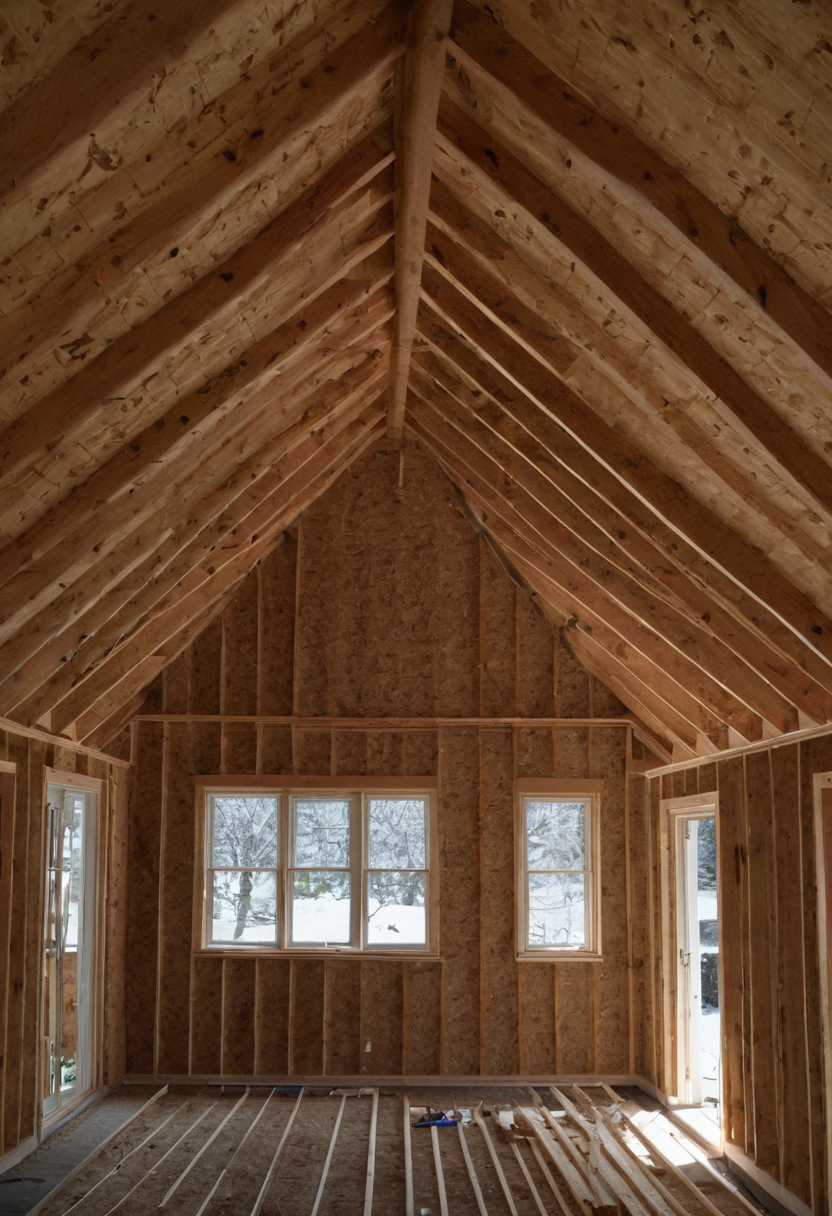
A luxury home addition should be evaluated as a whole-house integration problem before contractor pricing shown with practical context cues.
Structural tie-ins for a luxury home addition must be engineered, not assumed
Structural tie-ins are credible only when the existing foundation, framing, load paths, and lateral resistance can accept the new work without cracking finishes, binding doors, or transferring movement into polished surfaces.
- Request existing structural drawings, or measured field documentation if drawings are missing.
- Confirm foundation type: poured concrete, concrete block, stone, pier, slab-on-grade, crawlspace, or basement wall.
- Document footing depth, soil assumptions, slope conditions, basement wall condition, crawlspace access, drainage, waterproofing, and any settlement cracks.
- Ask for an engineer-approved connection detail, such as dowels, keyways, underpinning, isolation joints, or an independent foundation where old and new movement should not be locked together.
Large openings between the existing home and the addition need structural review when an exterior bearing wall is removed, a second story or roof bears above the opening, or a glass wall reduces lateral bracing. Beam choices can include engineered lumber, steel, flitch beams, or concealed header assemblies, but the beam depth and post locations still need a load path to footings. If the addition changes upper-floor circulation, coordinate structure with staircase planning for tread geometry, guard loads, and lighting safety.
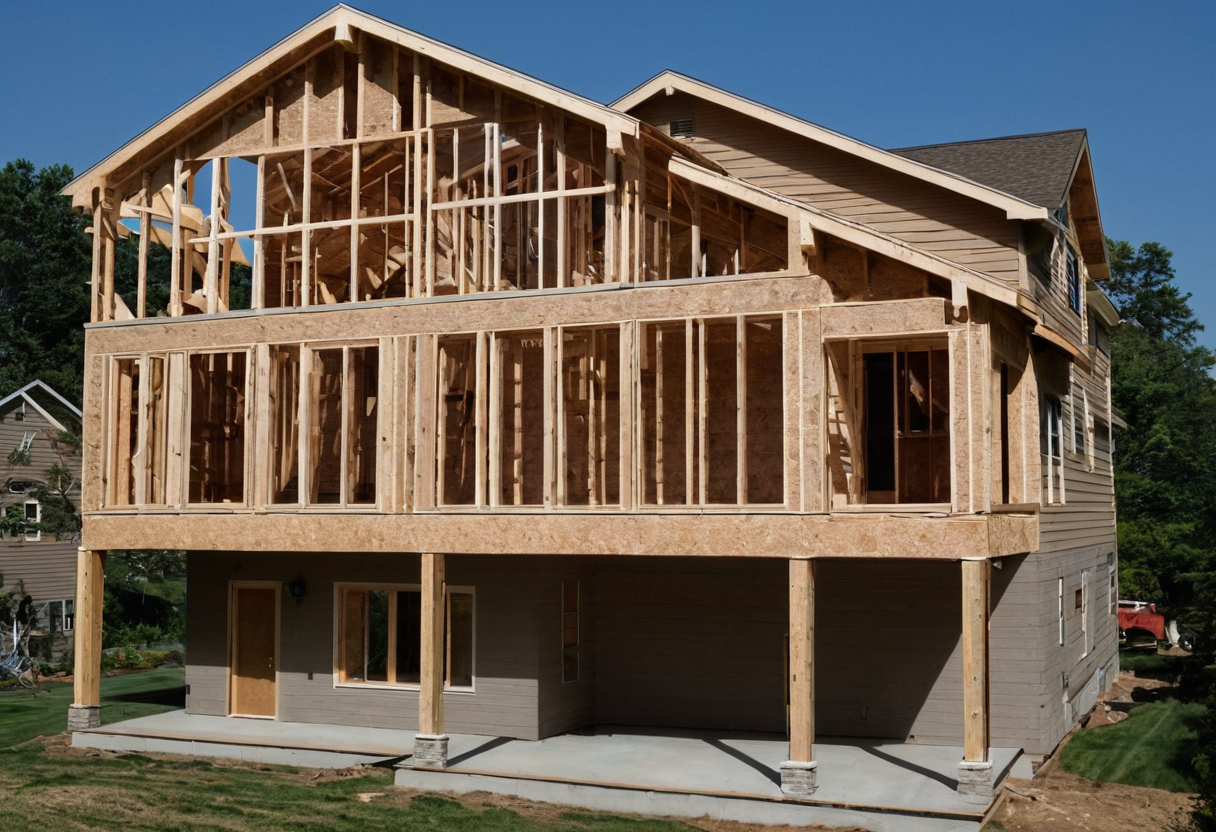
Structural tie-ins for a luxury home addition must be engineered, not assumed shown as an editorial planning reference.
Coastal or extraordinary-load sites need the engineer to identify governing design criteria. ASCE/SEI 7-22 provides target reliability tables for tsunami and extraordinary loads, with updated tsunami data for Hawaii and many populous locations in California under the stated conditions.
Pre-bid discovery should include attic framing, crawlspace or basement access, roof framing, exterior wall probes, electrical panel capacity, plumbing routes, and signs of undocumented renovations. Selective exploratory openings are justified where beams, utilities, insulation, or old repairs will affect price. If indoor products that emit volatile organic compounds are used during investigation or repair, the EPA recommends increasing ventilation during product use. For a private gallery, archive room, or collection wing, the National Park Service Museum Handbook provides conservative guidance for preservation, documentation, access, and use. Once the structure has a clear load path, the next risk is whether the new roof and wall envelope can move water away from the old house.
Rooflines and water management determine whether a luxury home addition will age gracefully
The roofline of a luxury home addition must resolve water movement before visual alignment, because valleys, low-slope transitions, roof-to-wall intersections, gutters, wall flashing, and discharge points decide whether new rooms stay dry.
- Existing roof survey: confirm roof pitch, roof material, roof age, attic ventilation, gutter capacity, and downspout discharge before pricing a tie-in.
- Flashing package: require drawings for valley lining, step flashing, headwall flashing, sidewall flashing, kick-out flashing, crickets, saddles, and diverters where water can be trapped.
- Climate loading: in jurisdictions using ASCE/SEI 7-22, the standard addresses dead, live, soil, flood, tsunami, snow, rain, atmospheric ice, seismic, wind, fire, and load combinations. ASCE/SEI 7-22 also includes revised ground snow loads and risk-targeted atmospheric ice load data for the continental United States and Alaska under the stated conditions. ASCE/SEI 7-22 design load criteria
The new wall envelope should connect the water-resistive barrier, flashing, air barrier, insulation, and vapor control strategy into the existing wall, not stop behind a cosmetic cladding match. Brick, stone veneer, stucco, fiber cement, cedar, metal panel, and composite siding need different drainage and movement details. Window and exterior door openings also need manufacturer-specific flashing sequencing, especially where the addition creates deeper walls or altered sill conditions.
Site drainage becomes a pre-bid issue when new roof area, terraces, driveways, pool decks, retaining walls, or grading changes move water toward the house. In Metro Nashville, a single-family addition must complete the permitting process, and an addition that extends the home farther forward must meet front setback requirements. The same local guidance says an enclosed bulkhead over a stairwell to a roof does not count as a story, but it does count as height. Metro Nashville addition permit guidance
A dry addition is not only a roofing decision. Once water paths are resolved, the next test is whether the new conditioned volume can be heated, cooled, dehumidified, and ventilated without overburdening the existing system.
HVAC capacity for a luxury home addition requires load calculations before equipment decisions
HVAC capacity should be verified with room-by-room load calculations, because added glass, ceiling volume, sun exposure, insulation level, and occupancy can overwhelm an existing system even when the equipment still runs.
An existing HVAC system may serve the addition only if the load calculation, duct capacity, zoning plan, and equipment condition support the added rooms. The evaluation should document the existing equipment model, age, capacity, duct layout, thermostat locations, filtration, maintenance condition, and whether ducts pass through an attic, crawlspace, garage, or exterior wall.
A duct extension is weak pricing if nobody has checked static pressure, return-air path, and room-by-room supply needs. Second-story additions, guest suites, and rooms with different daily schedules often need a separate zone, a dedicated ducted system, or a heat pump rather than a simple branch duct.
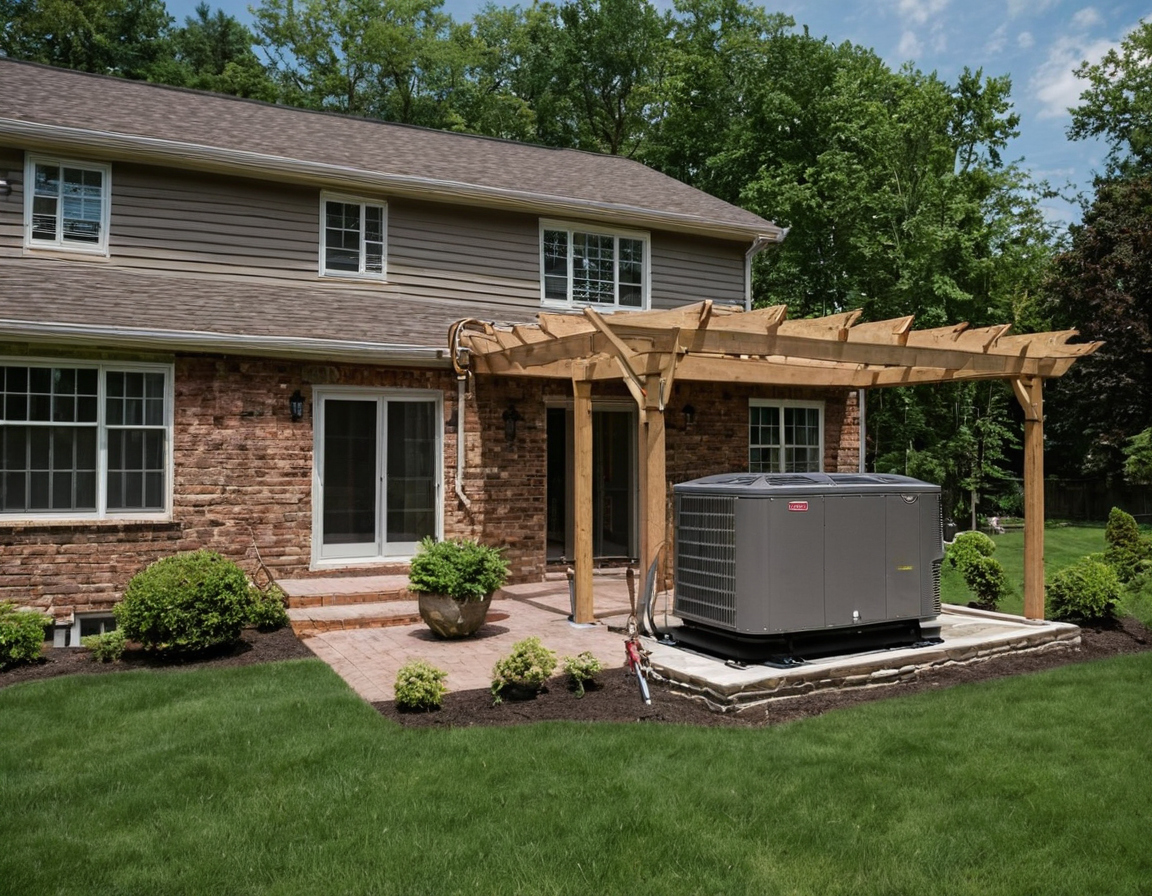
HVAC capacity for a luxury home addition requires load calculations before equipment decisions shown with practical context cues.
Kitchen expansions, spa baths, gyms, wine rooms, offices, media rooms, and indoor-outdoor entertaining rooms need more than basic heating and cooling. A kitchen addition may require ventilation, makeup-air coordination, appliance heat planning, and sequencing that aligns with kitchen renovation cost drivers and labor sequencing. Bedrooms and media rooms should be planned for quiet equipment locations and stable temperatures; gyms and spa baths need humidity and exhaust control. Once comfort is engineered, the next test is whether the visible finishes make the addition feel original rather than attached later.
Finish continuity makes a luxury home addition look intentional rather than appended
Finish continuity depends on dimensions, tolerances, material aging, and installation sequence, not a simple instruction to match existing.
Flooring transitions should be located where structure, sightlines, and finish thickness can be controlled, not wherever the old exterior wall happens to be removed. Document existing subfloor height, finished floor thickness, joist direction, floor flatness, and the exact threshold line before pricing wood, stone, terrazzo, carpet, porcelain slab, or radiant-heated assemblies.
Adjacent rooms may need refinishing if site-finished wood, stone sheen, plank tone, grout color, or baseboard height would otherwise reveal the addition. For natural stone floors and counters, maintenance expectations also affect finish selection: the Natural Stone Institute care guidance recommends neutral cleaners, stone soap, or mild liquid dishwashing detergent with warm water, and warns that abrasive scouring powders or creams can scratch stone surfaces.
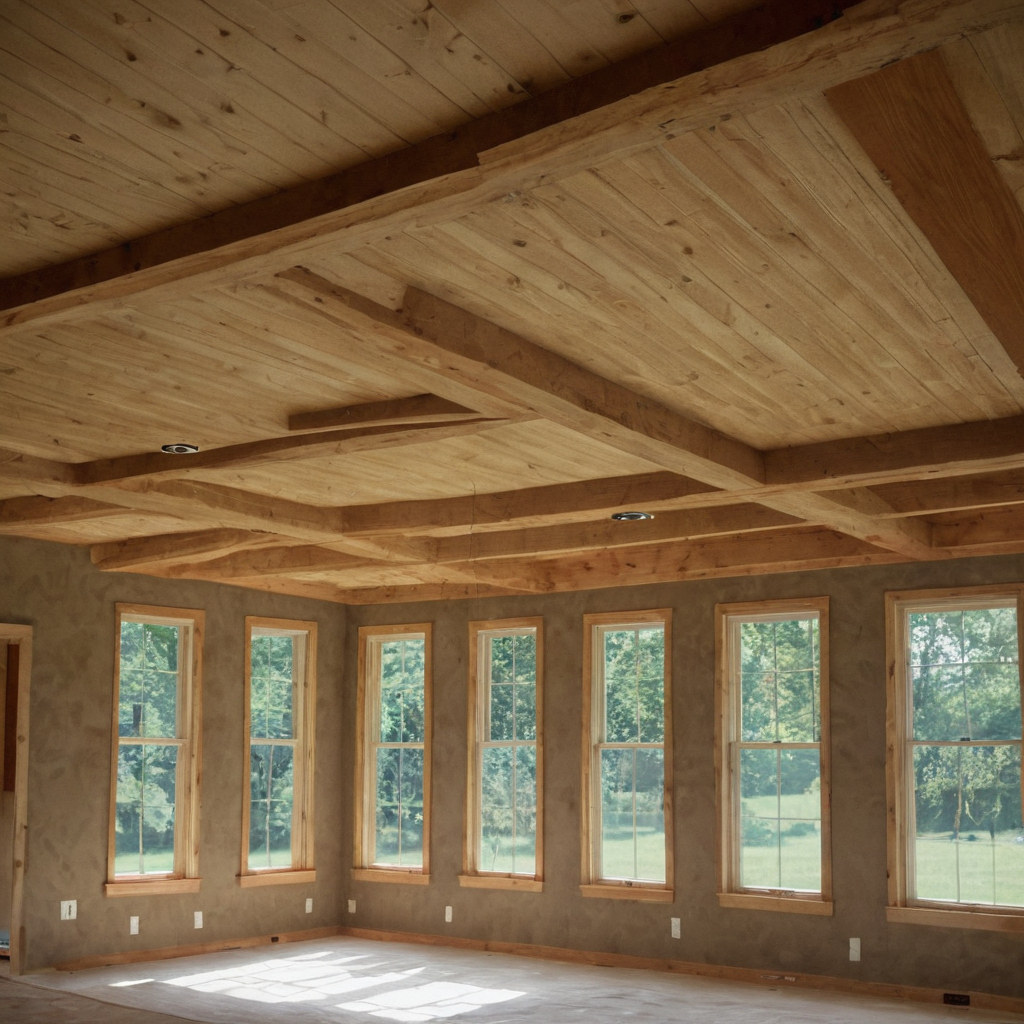
Finish continuity makes a luxury home addition look intentional rather than appended shown with practical context cues.
Exterior mismatch usually shows at alignment lines before it shows in broad material choice. The drawings should call out window head heights, sill heights, muntin layout, glass reflectivity, casing depth, shutter sizing, trim reveals, brick or stone coursing, mortar joint profile, stucco texture, siding exposure, cornice proportions, roof overhang depth, fascia height, gutter profile, downspout style, soffit material, and exterior lighting placement.
Deliberate contrast is better when aged brick, natural stone, patinated metal, old-growth wood, custom plaster, or discontinued windows would make a near-match look like a repair. A glass link, recessed connector, secondary wing, or clean material break can make the addition read as intentional, provided historic district, HOA, or architectural review limits are checked early. The next step is turning those finish decisions into a contractor-ready scope.
A contractor-ready luxury home addition scope must define sequence, protection, allowances, and inspections
A contractor-ready scope should identify what is being built, how the existing home will be protected, when inspections occur, and which finishes are fixed versus allowances.
Comparable bids need the same scope categories, not the same total price format. Require line items for demolition, temporary protection, excavation, foundation, framing, roofing, exterior envelope, windows, mechanical, electrical, plumbing, insulation, drywall, finishes, landscape repair, cleanup, and exclusions.
- Identify owner-furnished items, design fees, permit fees, engineering fees, utility upgrades, and unforeseen-condition allowances.
- Set allowances for unselected windows, doors, stone, flooring, cabinetry, plumbing fixtures, lighting, hardware, and appliances.
- State schedule assumptions for long-lead custom doors, specialty millwork, roofing, stone, and inspections.
The sequence should protect the finished house before the first cut. Confirm temporary enclosures, roof and wall weatherproofing, dust containment, floor and stair protection, access paths, and shutdown windows for electrical, plumbing, gas, HVAC, security, irrigation, and smart-home systems. For occupied projects, compare these requirements against scope gaps, allowances, and site protection in luxury remodeling.
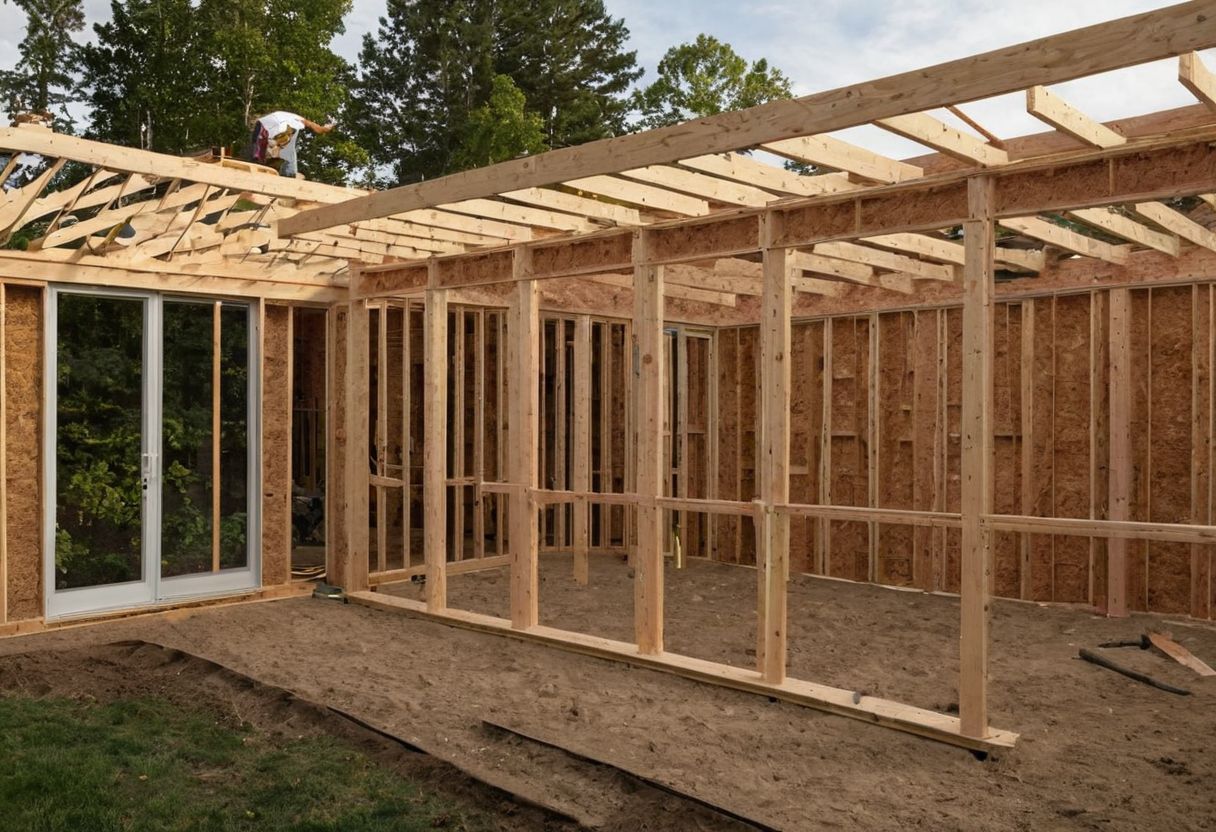
A contractor-ready luxury home addition scope must define sequence, protection, allowances, and inspections shown with practical context cues.
Interior finish work also needs air-quality planning. The U.S. Environmental Protection Agency identifies paints, varnishes, waxes, cleaning products, building materials, and furnishings as common indoor sources of volatile organic compounds, so occupied-home sequencing should address ventilation and separation. Compare home addition contractors only after each contractor prices the same integration package, including responsibility for damage to existing finishes, landscaping, hardscape, and furnishings.
FAQ
What should a homeowner know before meeting home addition contractors?
A homeowner should know the parcel constraints, desired room functions, existing-house construction, likely structural tie-ins, roof drainage issues, HVAC assumptions, and finish-continuity expectations before requesting prices.
Can an existing HVAC system usually handle a home addition?
An existing HVAC system should not be assumed to handle a home addition. The decision should follow room-by-room load calculations, duct-capacity review, return-air planning, zoning review, and equipment-condition assessment.
How do you make a luxury home addition look like it belongs to the original house?
A luxury home addition looks integrated when floor levels, ceiling planes, window proportions, roof overhangs, trim reveals, exterior coursing, lighting, and material maintenance are planned before bidding, not corrected after installation.
What are the biggest hidden costs in a high-end home addition?
The biggest hidden costs are often structural reinforcement, foundation complications, roof and wall flashing changes, HVAC upgrades, utility relocations, adjacent-room refinishing, landscape repair, temporary protection, and long-lead finish substitutions.
When does a home addition require an architect or structural engineer before contractor bids?
A home addition usually needs design and engineering input before bids when it changes bearing walls, adds a second story, alters rooflines, affects stairs or egress, expands conditioned square footage, changes exterior walls, or sits on a constrained parcel.