A homeowner approves an oversized island, panel-ready refrigeration, and a plastered hood before the fabricator has tested slab yield or the mechanical contractor has traced the duct route. In a high-end kitchen renovation, the budget often moves before demolition when stone, appliances, ventilation, electrical capacity, millwork tolerances, and labor sequence are not locked.
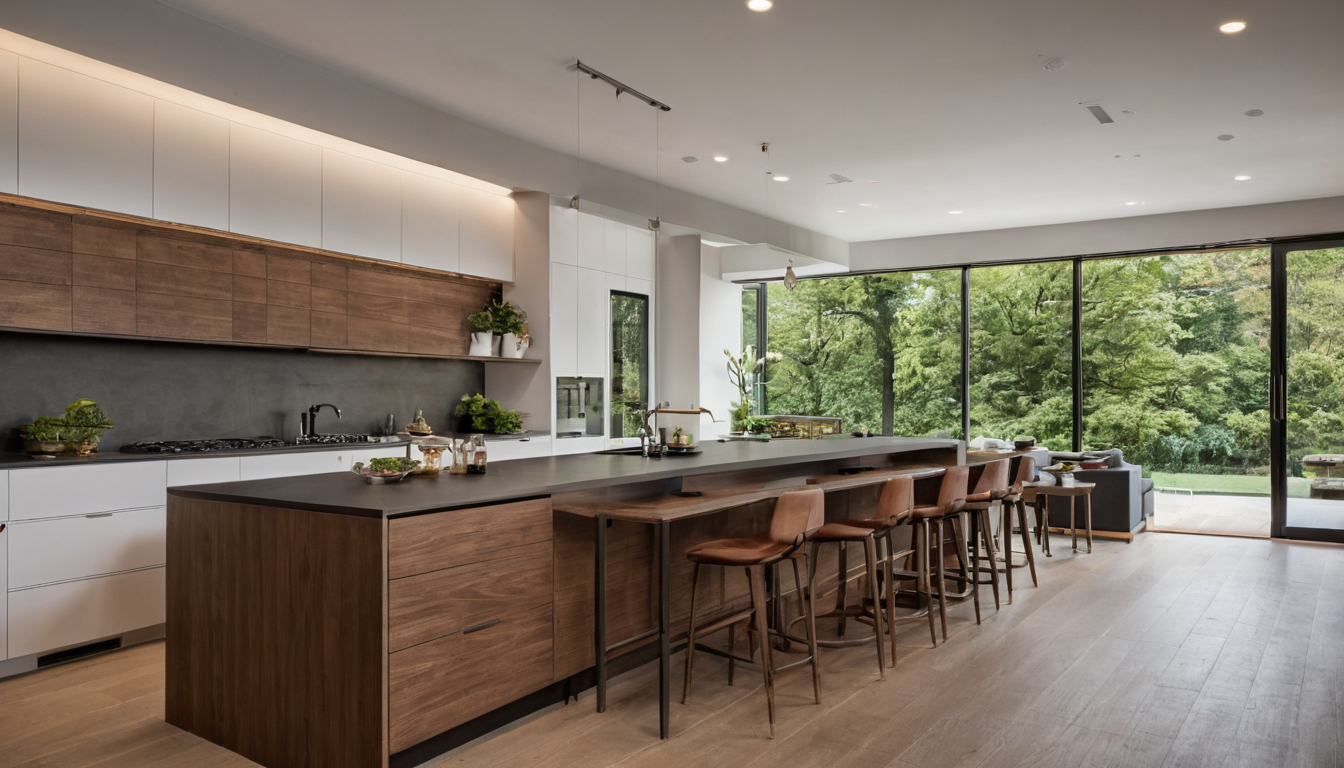
Luxury Kitchen Renovation Cost Drivers: Slab Yield, Appliance Panels, Ventilation, and Labor Sequencing shown as an editorial reference for proportion and finish coordination.
Which luxury kitchen renovation decisions move the budget before construction begins?
The largest luxury kitchen renovation cost shifts usually appear before demolition, when the design team locks stone formats, appliance specifications, ventilation paths, electrical loads, cabinet tolerances, and the work sequence. This is most true for whole-room high-end renovations in existing homes where walls, ceilings, floors, and service panels are already constrained.
A homeowner can approve a dramatic island, panel-ready refrigeration, and a plastered hood in one design meeting, yet the budget may still be untested if the fabricator has not checked slab yield, the appliance installer has not reviewed clearances, and the contractor has not traced duct and wiring routes. Full-gut luxury kitchen renovations expose the budget fastest because demolition, relocation, and inspection dependencies interact. Partial cosmetic upgrades still need discipline, but their risk is narrower when cabinets, services, flooring, and ventilation remain in place.
A luxury kitchen renovation budget should be tested against decisions, not only square footage
Square footage can describe the kitchen footprint, but square footage does not price the decisions that make a premium kitchen expensive. A compact existing kitchen with panel-ready columns, a stone-clad hood, full-height backsplash, and new ventilation can outrun a larger kitchen with standard appliance openings and a simpler countertop package.
The first cost review should separate allowance pricing from fixed scope. An allowance gives the estimate a placeholder for a future selection. A fixed scope means the contractor, millworker, fabricator, and installer have priced a known specification with known constraints.
- Slab selection: identify the actual stone, porcelain, quartzite, or engineered surface before accepting a countertop allowance, because veining, slab size, seam rules, edge build-up, and backsplash height change yield.
- Appliance model selection: lock the exact refrigerator, freezer, dishwasher, range, cooktop, wall oven, coffee system, steam oven, wine column, and ventilation unit before cabinet pricing becomes dependable.
- Hood location and duct route: test whether the proposed hood can exhaust through a realistic ceiling, wall, roof, or exterior path without redesigning framing or finished rooms.
- Electrical capacity: confirm whether the existing panel and circuit layout can support induction, warming drawers, refrigeration columns, lighting controls, and specialty appliances.
- Custom millwork: price inset doors, tall pantry walls, appliance panels, fillers, scribes, and reveal-critical parts as detailed cabinet work, not decorative add-ons.
- Flooring transitions: confirm whether new stone, wood, or large-format tile will meet adjacent rooms without ramping, cutting doors, or reworking thresholds.
- Trade schedule: define who must finish before templating, delivery, inspection, panel hanging, stone setting, and final commissioning.
Material maintenance also belongs in preconstruction cost planning. The Natural Stone Institute advises against acidic cleaners on calcium-based stones such as marble, limestone, and travertine, because the cleaner can damage those surfaces. That guidance does not disqualify marble in a luxury kitchen, but it should change the maintenance conversation before a slab deposit is paid.
The first estimate should separate visible finishes from infrastructure costs
Visible finish categories are the easiest to admire and the easiest to over-isolate in a kitchen renovation estimate. Countertops, cabinet fronts, hardware, lighting trim, backsplash material, faucet finish, and decorative metalwork should be itemized, but those items do not prove that the room can be built cleanly.
Infrastructure categories often decide whether the visible finish budget survives. Ducting, makeup air planning, panel upgrades, framing corrections, floor leveling, structural modifications, plumbing relocation, temporary protection, and inspection access should appear as separate lines or documented exclusions. A refined kitchen loses budget control when those items sit behind a broad phrase such as “mechanicals as needed.”
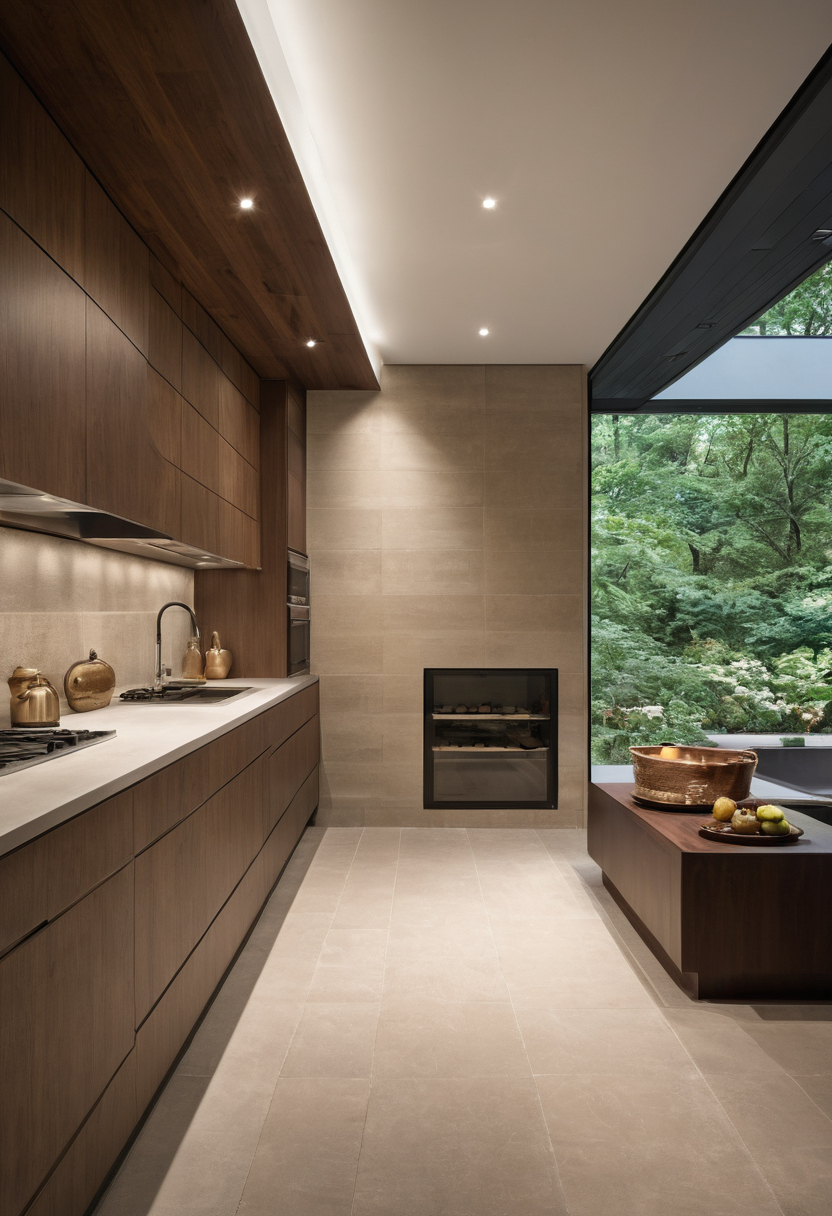
Which luxury kitchen renovation decisions move the budget before construction begins shown as a planning reference for layout, scale, and material decisions.
Finish selection can also affect indoor conditions during and after installation. The U.S. Environmental Protection Agency identifies paints, varnishes, waxes, cleaning products, building materials, and furnishings as common indoor sources of volatile organic compounds, so coatings, adhesives, and cleaning protocols should be coordinated with ventilation and occupancy plans. The EPA also states in its mold and moisture guide that condensation and wet or damp spots should be fixed promptly, which matters when sinks, dishwashers, refrigeration water lines, exterior walls, or old subfloors enter the scope.
Lighting belongs on both sides of the estimate. Decorative trims and pendants are visible finish selections, while switching, dimming, drivers, recessed housings, undercabinet runs, and circuit capacity are infrastructure decisions. For applicable bulbs and fixtures, ENERGY STAR states that qualified LED lighting uses at least 75 percent less energy and lasts up to 25 times longer than incandescent lighting, but those operating benefits do not remove the need to price controls, transformer access, and installation labor.
The practical test is simple: before demolition, every premium kitchen estimate should show which decisions are locked, which decisions remain allowances, and which hidden conditions could force redesign. The next cost driver is often the first large visible purchase, because slab yield can make stone the most volatile luxury kitchen cost driver.
Slab yield can make stone the most volatile luxury kitchen cost driver
Slab yield becomes a major luxury kitchen renovation cost driver when the design uses oversized islands, bookmatched stone, waterfall ends, full-height backsplashes, or veined marble and quartzite. Cost exposure depends on actual slab dimensions, usable veining, seam tolerance, thickness, edge buildup, breakage risk, and whether the fabricator can nest cuts efficiently.
- Risk signal: the countertop allowance was priced from plan dimensions before the selected slabs were photographed, measured, and laid out.
- Risk signal: the kitchen includes a long island, double islands, stone-wrapped hood, full-height backsplash, or waterfall panels.
- Risk signal: directional veining must run continuously across counters, backsplashes, or vertical panels.
- Risk signal: the estimate includes stone by allowance but excludes extra slabs, mitred edge buildup, reinforcement, crating, special handling, or return trips.
Bookmatching and vein direction can require extra slabs even when square footage looks adequate
Bookmatching changes stone pricing because the fabricator is no longer cutting anonymous rectangles from a total square-foot count. The fabricator must reserve adjacent slab faces, align pattern movement, reject unusable sections, and place seams where the eye will accept them. A counter plan that appears efficient on paper can become inefficient when every piece must face the same direction.
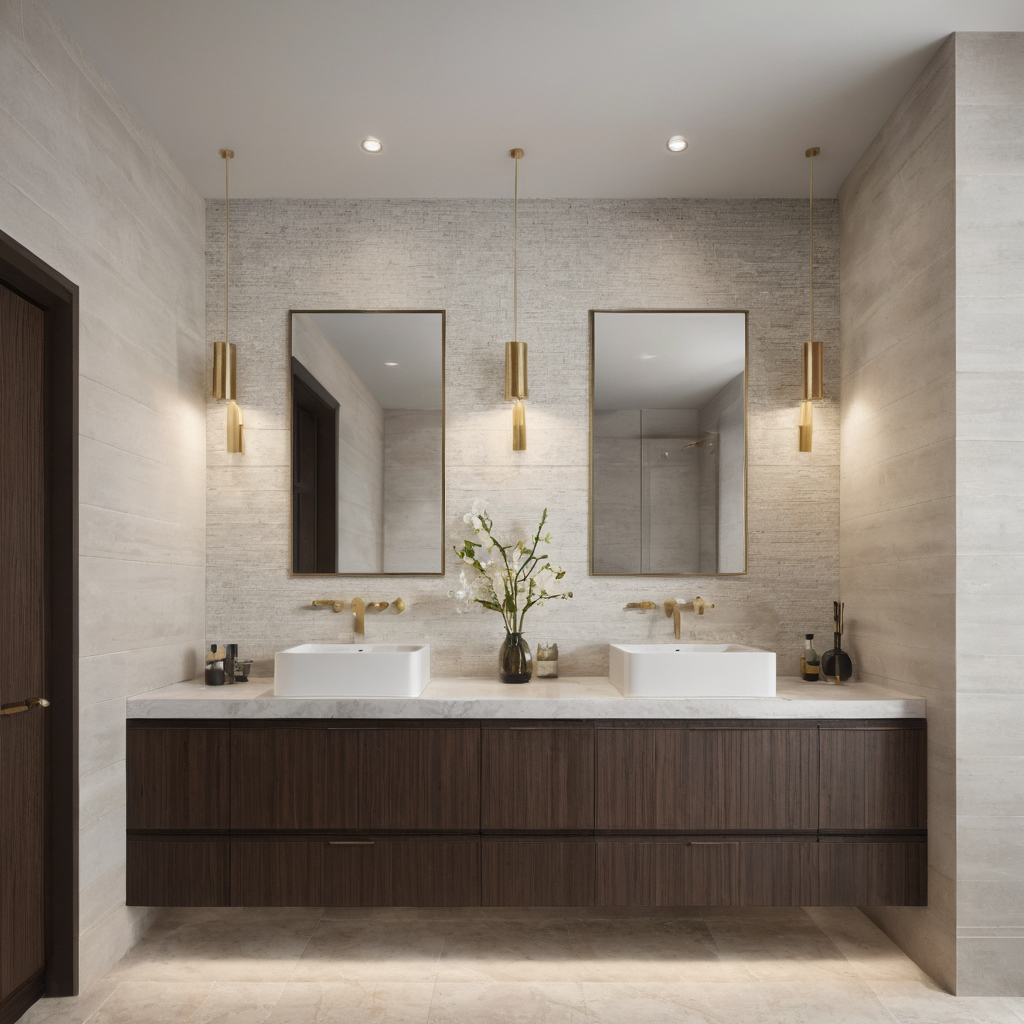
Slab yield can make stone the most volatile luxury kitchen cost driver shown with floor, wall, and fixture relationships visible.
Directional marble and quartzite create the most obvious exposure. A fabricator may not be able to rotate a backsplash panel, waterfall side, or island section to save material if the rotation breaks the vein direction. Mitred edges also consume additional material because edge buildup needs matching strips, not leftover fragments that fight the slab face.
Luxury kitchen drawings should therefore include a slab layout review before the countertop allowance is accepted. The review should show island pieces, perimeter counters, cooktop or sink cutouts, full-height backsplashes, waterfall legs, hood cladding, and any integrated drainboard or sink detail. The question is not only “how much stone is needed”; the more expensive question is “which parts of which slabs are visually usable.”
Porcelain and sintered stone reduce some maintenance risk but add handling and fabrication constraints
Porcelain and sintered-stone selections can reduce some owner concerns about staining or routine cleaning, but those materials do not remove cost risk. Large-format sheets can require stricter support, careful transport, specialized cutting, planned cutout locations, and fabricators who are comfortable with the product. Thin, rigid panels can be unforgiving at inside corners, sink openings, cooktop openings, and long unsupported spans.
Material selection should also include the products used during fabrication and installation. Adhesives, sealers, finishes, and cleaning products can affect indoor air during work; the U.S. Environmental Protection Agency recommends increasing ventilation when using products that emit volatile organic compounds indoors, according to its guidance on volatile organic compounds and indoor air quality. In an occupied luxury home, that planning belongs in the schedule, not as a day-of-installation improvisation.
The practical request is simple: require the stone supplier, fabricator, and installer to confirm handling limits, support needs, edge details, cutout rules, and repair expectations for the selected material before deposits are released. A beautiful slab that demands a different substrate, different edge, or different installer after ordering can move the budget without changing the visible design.
Island size should be checked against slab format before the countertop allowance is accepted
An oversized island can decide the slab count before the homeowner ever sees a seam. Island length, island width, seating overhangs, hidden appliance zones, and circulation clearances all affect whether the top can be cut from one slab or must be seamed. For planning the room around those constraints, review luxury kitchen island dimensions before the stone allowance is treated as final.
The fabricator should answer three questions in writing: can the island be cut from the selected slab format, where would any seam fall, and what design change would reduce slab waste without damaging the kitchen plan? That answer often exposes the next budget pressure, because panel-ready appliances shift cost into cabinets, reveals, electrical planning, and installation labor.
Panel-ready appliances shift cost into cabinets, reveals, electrical planning, and installation labor
Panel-ready refrigeration, dishwashers, warming drawers, coffee systems, and concealed ventilation rarely cost only the appliance price. In luxury kitchens, these selections add budget pressure through custom panels, matched veneers, reinforced hardware, exact reveals, ventilation clearances, dedicated circuits, delivery constraints, and return visits when specifications arrive late.
Integrated appliance panels require millwork drawings before cabinet pricing is reliable
Integrated appliance pricing becomes unreliable when the appliance schedule says “panel-ready” but the millwork package has not priced the actual panels. A cabinet door and an appliance panel are not the same cost item. Appliance panels may need different cores, edge details, mounting hardware, handle blocking, finish sequencing, and shop labor because the panel must operate with the appliance hinge system, not only close against a cabinet box.
Panel-ready refrigeration, freezer columns, wine storage, dishwashers, warming drawers, built-in coffee systems, steam ovens, speed ovens, and concealed ventilation should each be checked against the selected manufacturer installation manual before cabinet pricing is accepted. The millwork shop needs panel dimensions, panel thickness, panel weight limits, hinge or bracket locations, toe-kick conditions, handle locations, ventilation openings, service access, and the required reveal around adjacent doors and drawers.
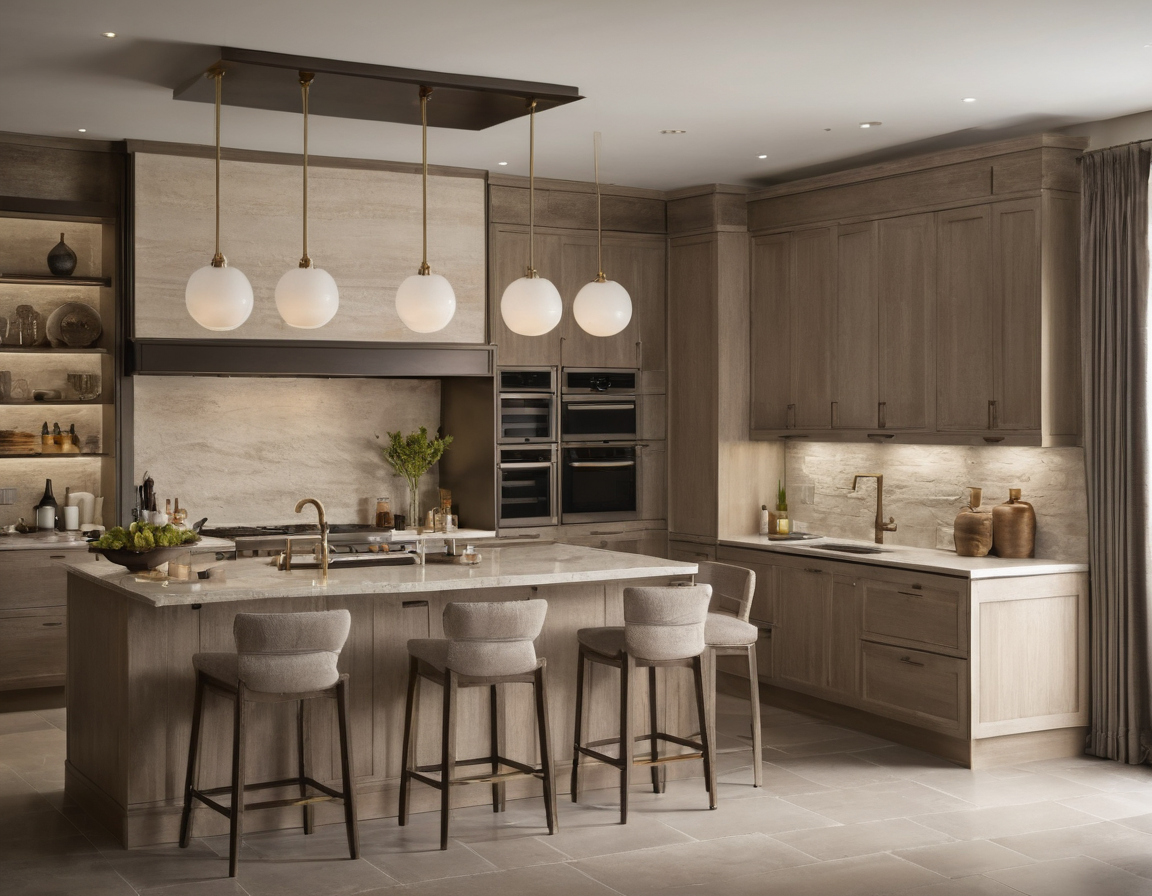
Panel-ready appliances shift cost into cabinets, reveals, electrical planning, and installation labor shown with floor, wall, and fixture relationships visible.
Custom millwork allowances often miss the difference between standard doors, appliance panels, end panels, filler panels, tall side panels, return panels, and custom pulls. Matched veneer makes this exposure sharper because the shop may need to reserve flitches, sequence grain across tall elevations, and finish appliance panels with the same sheen and movement control as the rest of the kitchen. A late appliance change can therefore disturb both the cabinet price and the finish plan.
Specification language should also identify the quality standard that governs fabrication and installation. The Architectural Woodwork Institute publishes architectural woodwork standards used to define fabrication, finishing, casework, and installation quality requirements when custom cabinetry, inset doors, appliance panels, tall columns, reveals, and flush installation details are specified by reference. That reference helps the owner, designer, contractor, and millwork shop price the same level of fit rather than negotiating expectations after delivery.
Flush installation can fail if appliance, cabinet, and floor tolerances are not coordinated
Flush installation fails first at the edges. A refrigerator column that looks precise in elevation can sit proud if the floor is out of level, the cabinet opening is tight, the side panels are not plumb, or the panel thickness conflicts with the appliance hinge geometry. The visible result is usually a misaligned reveal, a rubbing door, an exposed grille, or a handle that conflicts with an adjacent pull-out.
The diagnostic question before ordering is simple: has every flush appliance been tested as a built condition, not only as a catalog selection? The contractor should coordinate finished floor height, cabinet plinths, toe-kicks, appliance feet, door swing, pull-out shelf travel, ventilation grilles, receptacle or junction box locations, shutoff access, water connections, anti-tip requirements, and service clearances. If those items stay unresolved, the budget risk moves into shimming, modified panels, remade fillers, delayed templating, and extra installation visits.
Electrical planning belongs in the same review because premium appliances can require specific voltage, amperage, circuiting, plug locations, junction boxes, and accessible shutoffs. A panel-ready appliance wall that hides everything visually still needs serviceable infrastructure behind or beside the units. If the electrician roughs in from a preliminary appliance list, the finished kitchen may need opened backs, relocated outlets, or revised cabinet cutouts after the millwork is already finished.
The cleanest preconstruction test is to require appliance specifications, millwork shop drawings, electrical rough-in locations, and finished-floor assumptions to be reviewed together before deposits lock the package. Once panels and appliance columns are coordinated, the next budget exposure sits outside the cabinet face: ventilation and makeup air can change the kitchen renovation scope beyond the cabinet line.
Ventilation and makeup air can change the kitchen renovation scope beyond the cabinet line
Luxury kitchen ventilation becomes a budget driver when high-output ranges, long duct runs, exterior wall limitations, roof penetrations, or makeup-air rules are involved. The cost is not limited to the hood; the scope may include duct sizing, framing changes, fire-rated assemblies, exterior terminations, noise control, conditioned makeup air, and permit review.
A premium range can require a different duct route than the existing kitchen provides
A range that stays in the same visual position can still force a new mechanical path. The existing duct may be too small for the new hood, may include too many turns, may terminate in a poor location, or may run through framing that cannot accept the required duct without structural or finish work.
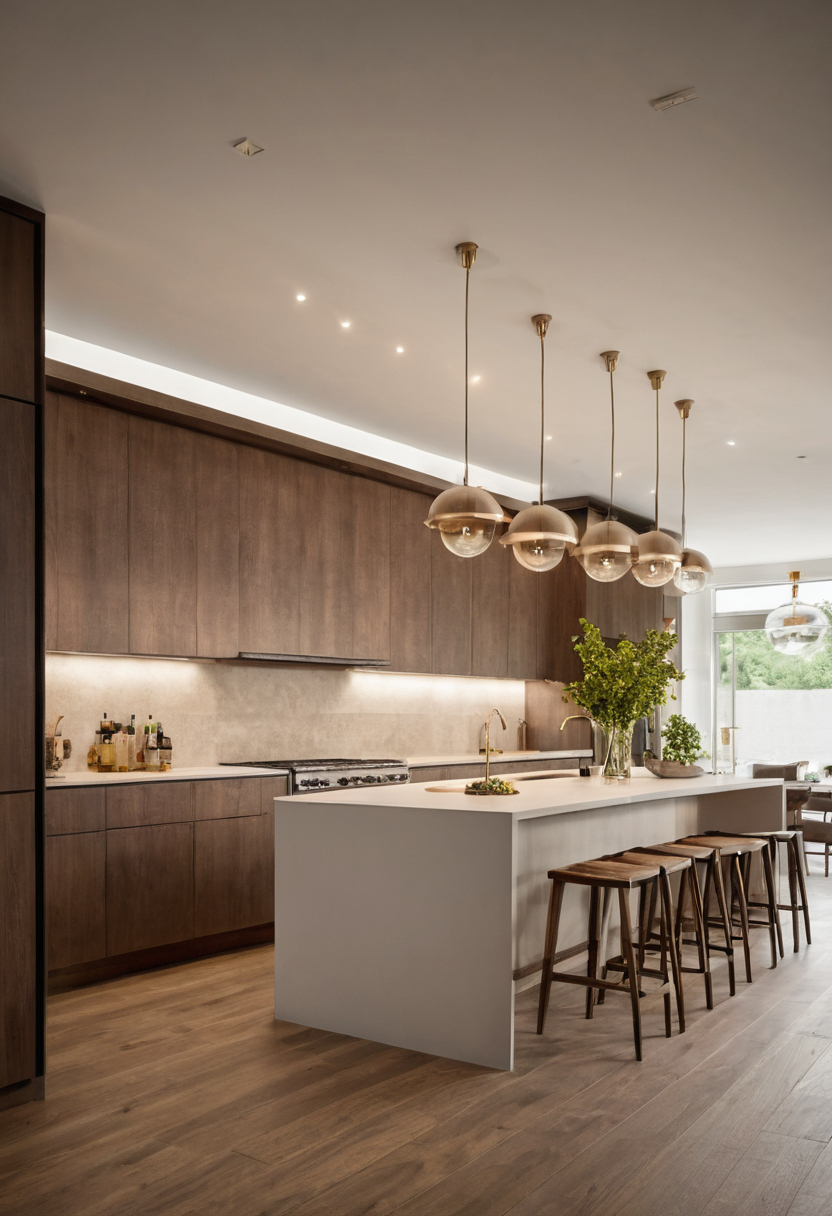
Ventilation and makeup air can change the kitchen renovation scope beyond the cabinet line shown as a planning reference for layout, scale, and material decisions.
The preconstruction drawing set should show the hood model, cooking appliance type, duct diameter required by the hood manufacturer, elbow count, estimated duct length, blower location, backdraft damper location, and exterior termination. A gas range with a griddle, grill, or wok burner creates a different capture problem than a modest induction cooktop, and the hood’s capture area and mounting height should be coordinated before cabinets and upper shelves are priced.
Existing-home constraints often decide the real cost. Ceiling joist direction can block a direct horizontal run. A second-floor bathroom above the kitchen can eliminate a clean vertical chase. A masonry exterior wall, fire-rated garage wall, or finished roofline can add cutting, patching, flashing, and inspection steps that never appear in a cabinet allowance.
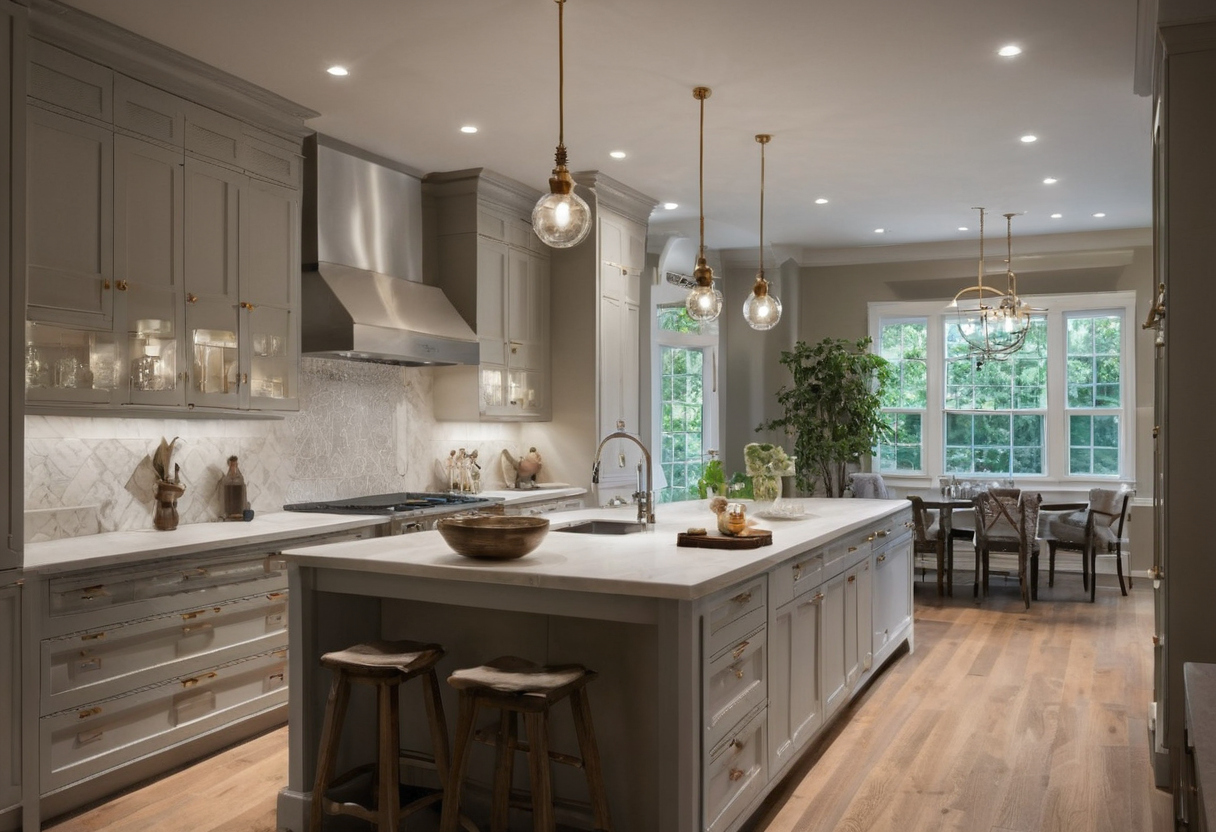
Existing-home constraints often decide the real cost shown as an editorial reference for proportion and finish coordination.
Makeup-air requirements should be priced before the hood is ordered
Makeup air is the surprise line item because the hood selection can create a housewide pressure problem. Local residential mechanical code requirements should be checked before purchase because the rule may depend on exhaust capacity, appliance type, fuel type, and the way replacement air enters the home.
A budget-ready ventilation review should answer these questions before the hood deposit is paid:
- Does the local authority require makeup air for the selected hood capacity?
- Will the makeup air be passive, powered, interlocked with the hood, tempered, or fully conditioned?
- Can the replacement-air path avoid drafts at dining seats, breakfast areas, and adjacent living spaces?
- Does the route require new ductwork, exterior louvers, electrical control wiring, or HVAC balancing?
- Will hot, humid, cold, or mixed-climate conditions require heating, cooling, or dehumidification of incoming air?
Residential duct design is not a decorative coordination item. The Air Conditioning Contractors of America identifies ANSI/ACCA 1 Manual D as the residential duct-design method for sizing and laying out duct systems, which matters when a kitchen renovation adds or modifies ductwork for ventilation or makeup-air coordination.
Noise control matters when the luxury kitchen is open to dining or living areas
Open-plan kitchens expose poor ventilation decisions quickly. A hood that meets a basic exhaust objective can still be unacceptable if the blower noise dominates dining conversation, if vibration transfers through a shallow ceiling, or if the duct path whistles through restrictive turns.
Blower placement should be chosen with the room plan, not after the hood arrives. An internal blower can simplify installation but place the motor at the listener’s ear. An inline blower can move noise away from the cooktop if the ceiling or attic route allows service access. A remote exterior blower can reduce interior sound, but exterior placement, weather exposure, service clearances, and neighbor-facing walls need review.
The cleanest luxury kitchen budgets treat ventilation as mechanical scope before cabinet sign-off. Once the ceiling is closed, the hood is delivered, and the stone is templated, a missed duct or makeup-air decision becomes a sequencing problem, which is why labor order determines whether the next phase runs cleanly or pays twice.
Labor sequencing determines whether a luxury kitchen renovation runs cleanly or pays twice
Labor sequencing affects luxury kitchen renovation cost when demolition, framing, plumbing, electrical, HVAC, flooring, cabinetry, stone templating, and appliance installation depend on each other. In occupied homes and villas, missed sequence decisions create return trips, idle labor, site protection costs, temporary kitchen costs, and rework at finished surfaces.
A full-gut luxury kitchen usually needs a controlled order: document existing conditions, isolate the work zone, demolish, correct structure and floor levels, run rough plumbing, electrical, gas, and ventilation, pass required inspections, close walls, install flooring or protected finished floor zones, set cabinets, template stone, install countertops, complete backsplash, set appliances, finish trim, adjust panels, test systems, and commission the kitchen. The cost risk sits in the gaps between those steps, not only in the labor rate.
Countertop templating should not happen before cabinets, panels, and sinks are truly ready
Countertop templating is a cost checkpoint, not a calendar placeholder. A fabricator cannot reliably template stone if base cabinets are loose, tall appliance panels are missing, sink models are undecided, or cooktop and faucet cut sheets have not been approved. A rushed template can produce wrong overhangs, misaligned seams, unsupported cutouts, or a return visit before fabrication begins.
Cabinet readiness should mean the cabinet boxes are fixed, leveled, secured, and adjusted to the intended finished plane. End panels, fillers, tall appliance surrounds, integrated dishwasher fronts, refrigerator columns, and any waterfall supports should be in place or fully documented. Sink templates, faucet hole locations, air switch locations, filtered water taps, soap dispensers, cooktop cutouts, pop-up outlets, and ventilation penetrations should be final before the fabricator measures.
The clean sequence is simple: approve appliance specifications, build cabinetry around those specifications, set the cabinets accurately, then template stone. If the island also carries hidden refrigeration, seating, or oversized slab ambitions, the same cabinet and opening decisions should be coordinated with luxury kitchen island dimensions before the stone allowance becomes a purchase order.
Occupied-home renovations need site protection and access planning in the budget
Occupied-home kitchen renovations cost more cleanly when the estimate prices household logistics before demolition. Dust containment, temporary walls, floor protection, daily cleanup, secured tool storage, temporary cooking facilities, and safe circulation are labor items. Treating them as informal housekeeping creates disputes once finished floors, stair treads, plaster walls, artwork, or custom millwork sit beside the delivery route.
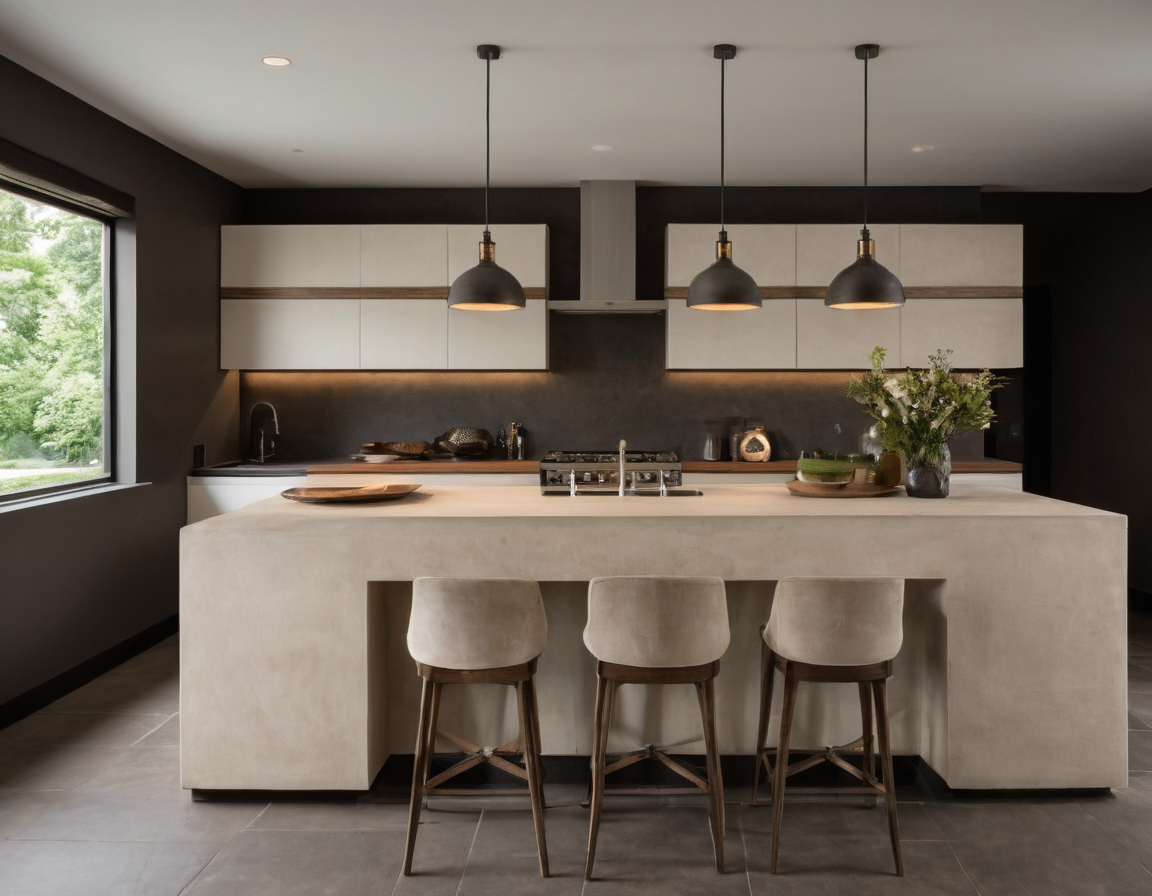
Labor sequencing determines whether a luxury kitchen renovation runs cleanly or pays twice shown as a planning reference for layout, scale, and material decisions.
Older luxury homes add another sequencing obligation. The U.S. Environmental Protection Agency states that its Renovation, Repair and Painting Rule applies to renovation work that disturbs painted surfaces in pre-1978 homes and child-occupied facilities. If that condition applies, lead-safe planning belongs in the schedule before demolition labor is priced.
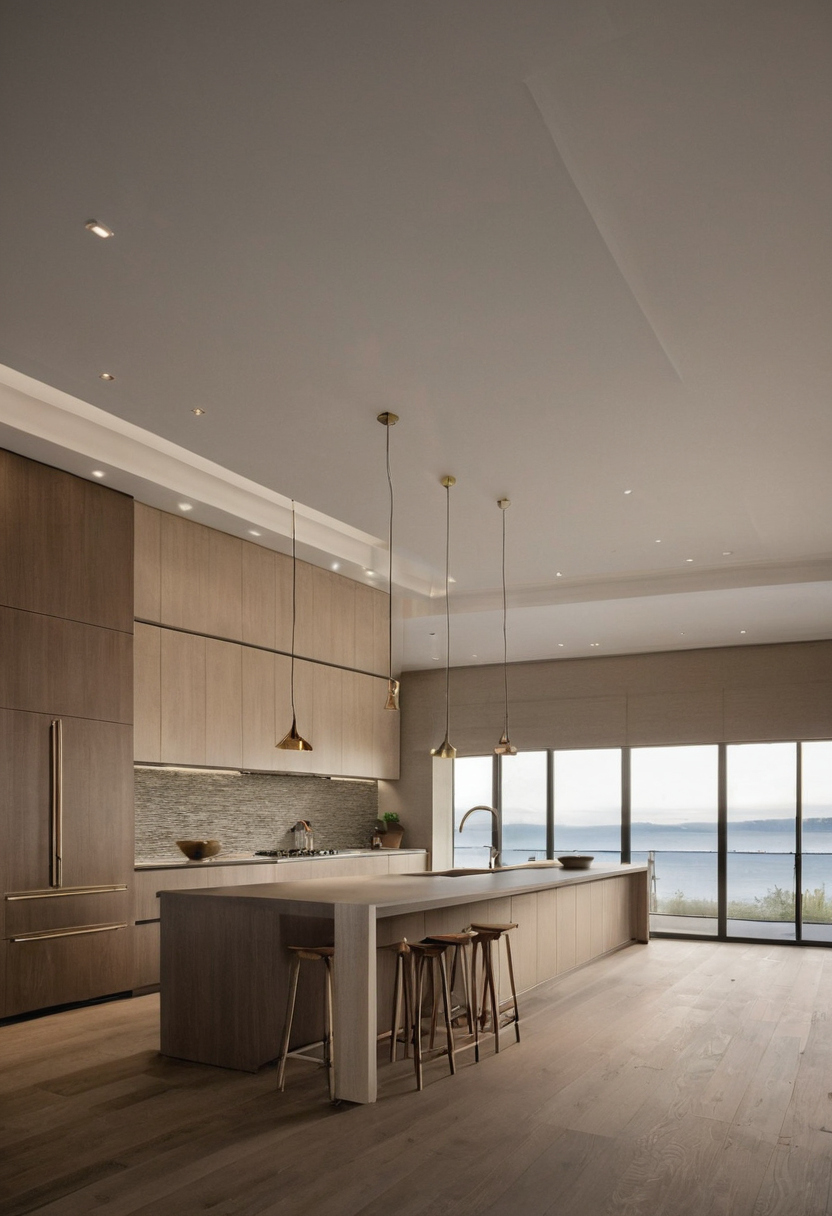
Older luxury homes add another sequencing obligation shown as a planning reference for layout, scale, and material decisions.
- Confirm whether the household will occupy the home during demolition, rough work, stone installation, and appliance commissioning.
- Map the delivery route for slabs, cabinets, range hoods, refrigeration columns, and crated appliances before ordering.
- Protect foyers, elevators, finished stairs, gallery walls, adjacent flooring, and main corridors before the first delivery truck arrives.
- Coordinate main circulation routes with broader staircase planning during whole-home renovation sequencing when heavy materials must pass through public rooms.
The next cost-control step is to make the estimate expose which of these sequencing tasks are included, which are allowances, which are exclusions, and which decisions must be made before the contractor mobilizes.
A luxury kitchen renovation estimate should expose allowances, exclusions, and decision deadlines
A reliable luxury kitchen renovation estimate should identify what is fixed, what is an allowance, what is excluded, and when each decision must be made. Before construction, late choices in stone, appliances, lighting, ventilation, and millwork can alter both material cost and labor sequence.
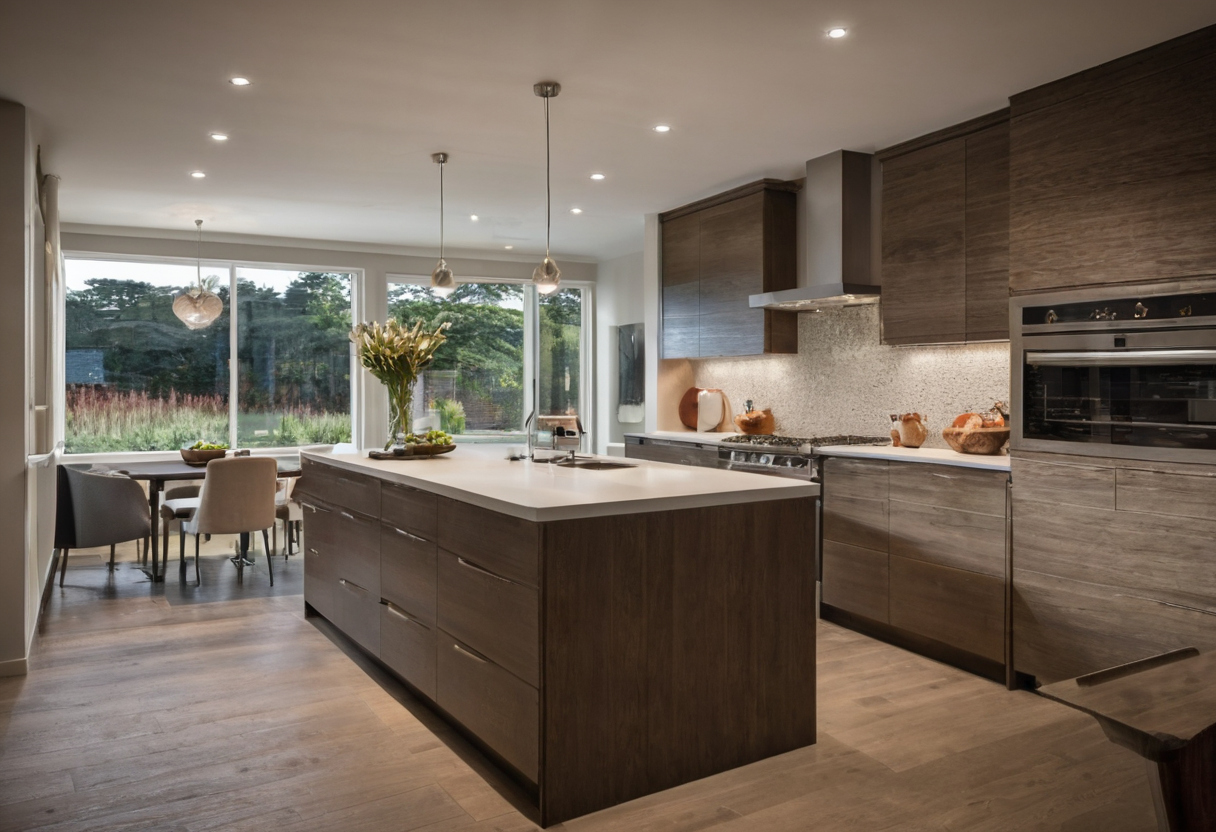
A luxury kitchen renovation estimate should expose allowances, exclusions, and decision deadlines shown as an editorial reference for proportion and finish coordination.
The estimate should separate allowances from scope gaps
A kitchen allowance is a placeholder amount for a selection not yet finalized, such as stone, decorative lighting, plumbing fixtures, or cabinet hardware. An exclusion is work not included in the price. An alternate is a priced option that can be accepted or rejected. A unit price sets the cost for a repeatable item, such as added blocking, floor repair, or extra tile work. A contingency is owner-held risk money, not a substitute for missing scope.
A high-end kitchen estimate should break out demolition, framing, structural work, plumbing, electrical, HVAC, ventilation, cabinetry, millwork, countertops, backsplash, flooring, lighting, appliance installation, permits, site protection, cleanup, and contingency. If these categories sit inside one broad line, the owner cannot see whether the kitchen reno cost is driven by visible finishes or by infrastructure that must be completed before finishes arrive.
Luxury kitchen allowances often fall short in predictable places: slab overage, bookmatched backsplash material, appliance panel fabrication, floor leveling, custom metalwork, premium delivery handling, temporary kitchen setup, and return visits for final appliance commissioning. Common exclusions deserve the same scrutiny: electrical panel upgrades, makeup air, structural engineering, ventilation rerouting, appliance water lines, unusual floor transitions, and final patching outside the cabinet line.
Estimate review should ask direct questions before acceptance: Which appliance model numbers were priced? Are panel-ready doors included as cabinet work or appliance work? Does the countertop allowance include extra slabs, edge profiles, sink cutouts, and backsplash fabrication? Does ventilation pricing include the hood, duct route, exterior termination, and finish repair? Are inspection delays, occupied-home protection, and after-hours delivery restrictions included?
Allowance language is not a minor contract detail. Allowance language is the place where a polished kitchen can quietly become a change-order project. A separate review of scope gaps and allowances in luxury renovation estimates can help owners read the same risk pattern across rooms, but the kitchen requires special attention because appliances, stone, ventilation, and cabinetry depend on one another.
The preconstruction checklist should lock dimensions, specifications, and inspection dependencies
The final preconstruction meeting should produce a decision-deadline schedule, not a loose preference list. Appliances, stone slabs, cabinet shop drawings, plumbing fixtures, lighting layout, ventilation route, flooring transitions, and hardware should each have a date tied to ordering, rough-in, fabrication, or inspection.
- Confirm final appliance model numbers, installation specifications, service clearances, and delivery route.
- Approve cabinet shop drawings, appliance panels, fillers, end panels, toe kicks, and reveal-critical elevations.
- Select stone slabs, approve slab photos, mark vein direction, and review countertop and backsplash layout.
- Lock the hood location, duct route, exterior termination, and any makeup-air scope before ventilation rough-in.
- Complete electrical load review, lighting layout, switching plan, receptacle locations, and dedicated appliance circuits.
- Confirm plumbing fixture specifications, sink dimensions, water filtration, pot filler, and appliance water connections.
- Resolve flooring transitions, finished floor height, under-cabinet conditions, and thresholds to adjacent rooms.
- Set inspection milestones for framing, plumbing, electrical, mechanical, and final approvals where required.
The sign-off group should include the architect or designer, general contractor, cabinetmaker, stone fabricator, electrician, plumber, HVAC contractor, appliance installer, and local authority where required. In covered pre-1978 housing or child-occupied facilities, the U.S. Environmental Protection Agency says firms performing covered renovation, repair, or painting work must be EPA-certified and follow lead-safe work practices.
The practical shift is simple: do not treat the estimate as permission to start demolition. Treat the estimate as a coordination document that must prove the kitchen’s dimensions, specifications, exclusions, and decision dates before deposits are released and finished materials are ordered.
FAQ
The most useful kitchen renovation cost answers come from locked specifications, not from a single square-foot number. These questions should be answered before deposits, demolition, or long-lead orders.
How much should a luxury kitchen renovation cost before construction begins?
A luxury kitchen renovation budget should be developed from a defined scope, selected appliances, confirmed slab strategy, ventilation path, electrical review, cabinet drawings, and site logistics. A preconstruction number that still carries broad allowances for stone, panels, ventilation, and electrical work should be treated as provisional, not final.
Is $100K realistic for a high-end kitchen renovation?
$100K can be realistic for some high-end kitchen projects with limited relocation, controlled appliance scope, simpler stone planning, and minimal infrastructure change. It can be unrealistic for a full-gut luxury kitchen with custom millwork, panel-ready appliance columns, major ventilation work, premium stone layouts, floor corrections, or occupied-home protection.
What is usually the most expensive part of a luxury kitchen remodel?
The most expensive part is often not one item but the interaction between cabinetry, appliances, stone, and infrastructure. Custom millwork, slab yield, integrated panels, ventilation changes, electrical upgrades, and labor sequencing can each become the leading cost driver depending on the existing home and the chosen design.
What is the 30% rule for renovations, and does it apply to luxury kitchens?
The 30% rule is often used as a broad owner budgeting idea for keeping renovation spending proportionate to property value or reserving contingency against unknowns. It is not a substitute for kitchen-specific estimating. A luxury kitchen should still be priced by slab yield, appliance specifications, mechanical scope, electrical capacity, millwork drawings, and inspection dependencies.
Which kitchen renovation decisions should be finalized before asking contractors for bids?
Before requesting bids, finalize appliance model numbers, hood and duct assumptions, cabinet style and panel requirements, stone direction and slab strategy, plumbing fixtures, lighting layout, electrical needs, flooring transitions, site protection needs, and known inspection triggers. Contractors can price a luxury kitchen more reliably when those decisions are issued as coordinated documents rather than described as later selections.
Renovation cost guides attract people with serious project intent, and seo for construction companies helps turn that research into qualified contractor conversations.