Imagine stepping into a space where every note resonates with pristine clarity, where legendary recording sessions come to life in your own home. The dream of creating a personal Abbey Road-style music studio has never been closer to reality. Today’s luxury homeowners face a unique challenge: translating their passion for music into a sophisticated space that rivals professional recording facilities while maintaining the elegance of their luxury residence. The solution lies in understanding how visionary designers are revolutionizing acoustic architecture and digital audio integration to create musical sanctuaries that would make Sir George Martin himself envious.
This Photo was taken by Pixabay.
The symphony of architectural acoustics meets luxury design
Creating a private music studio that rivals Abbey Road requires understanding the delicate balance between acoustic perfection and aesthetic sophistication. The foundation of any exceptional musical sanctuary begins with the room’s geometry and materials. Unlike commercial studios that prioritize function over form, luxury home music studios must seamlessly blend professional-grade acoustic performance with the refined elegance expected in high-end residential spaces.
Professional acoustic engineers now employ advanced modeling software to predict sound behavior within custom residential spaces. This technology allows designers to optimize room dimensions using the golden ratio principles that made famous studios acoustically superior. The ideal studio dimensions follow a 1:1.6:2.6 ratio, but luxury residential constraints often require creative adaptations.
Revolutionary soundproofing architecture for absolute isolation
Modern soundproofing transcends simple foam panels. Today’s luxury music studios incorporate multi-layered isolation systems that prevent sound transmission while maintaining architectural elegance. The most effective approach involves creating a “room within a room” using floating floor systems, decoupled walls, and acoustically transparent yet visually striking materials.
| Soundproofing Layer | Material Type | Sound Reduction (dB) | Visual Integration |
|---|---|---|---|
| Primary Structure | Mass-loaded vinyl with steel studs | 25-30 | Hidden behind finish materials |
| Acoustic Barrier | Specialized acoustic drywall | 15-20 | Paintable, seamless appearance |
| Absorption Layer | Custom fabric-wrapped panels | 10-15 | Designer fabric, architectural forms |
| Diffusion Elements | Wooden geometric panels | 5-10 | Sculptural wall features |
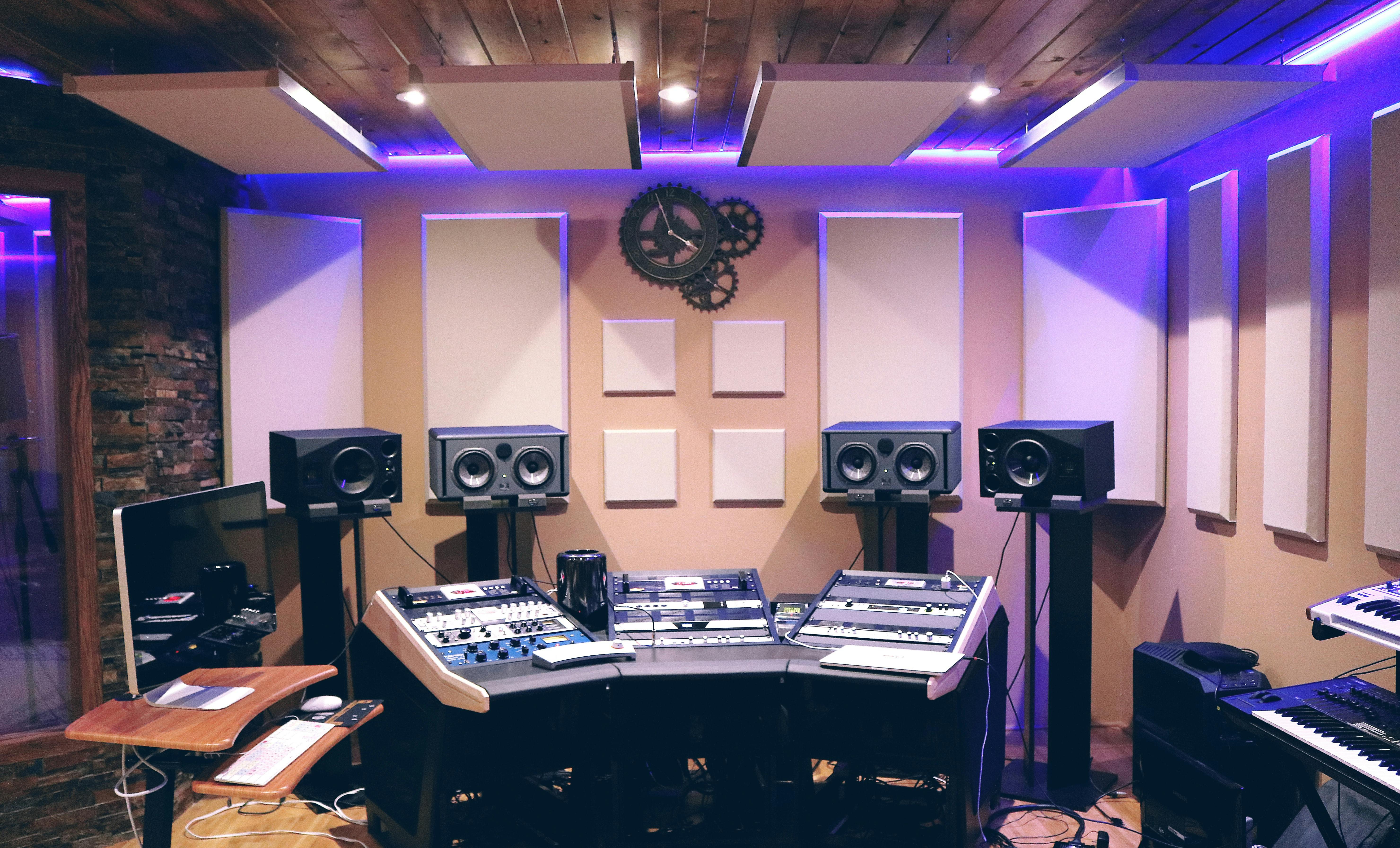
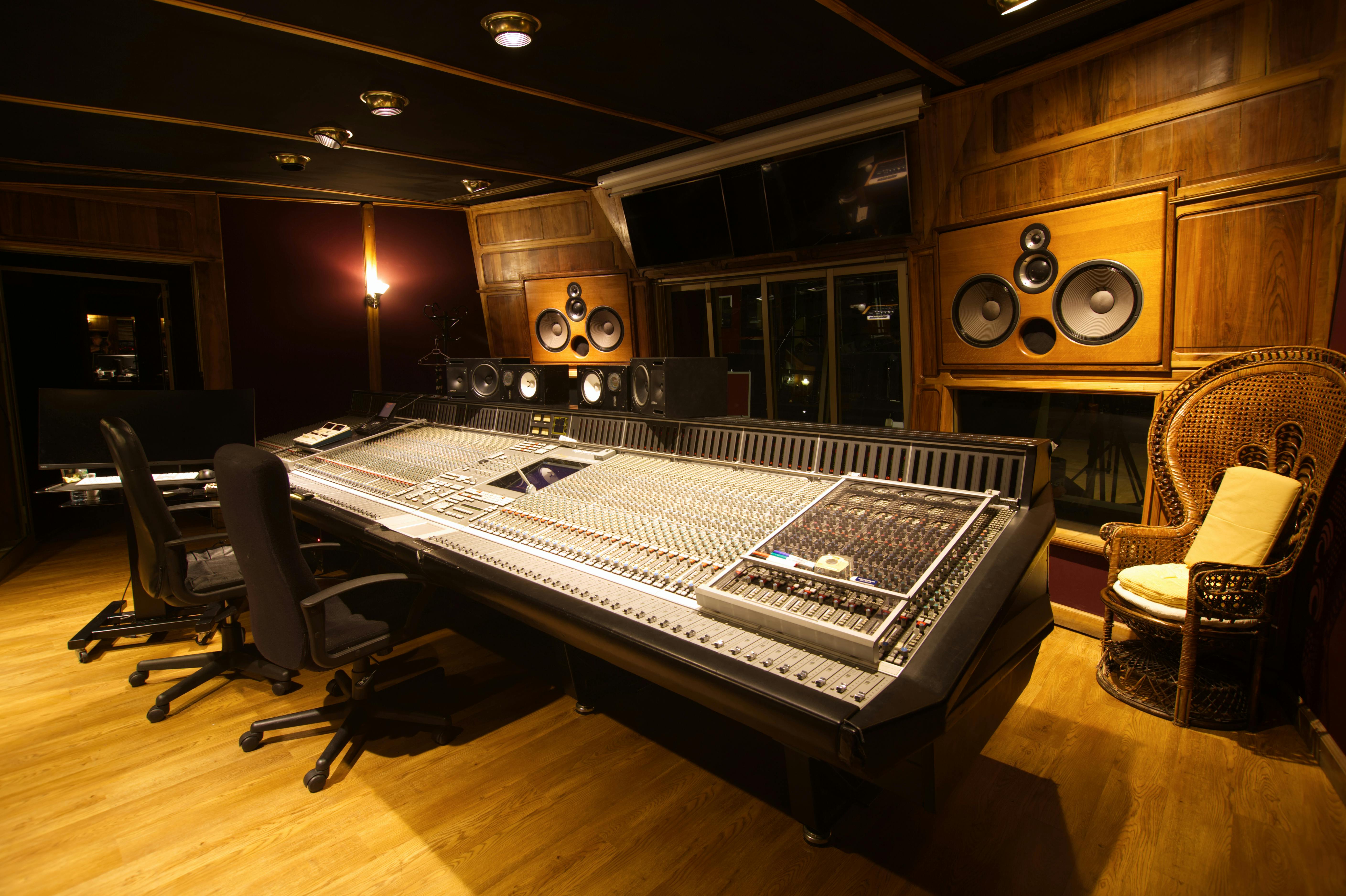
The key breakthrough in 2025 acoustic design involves integrating advanced acoustic architecture similar to luxury home theaters, where sound isolation meets visual sophistication. These systems achieve noise reduction coefficients exceeding 0.95 while maintaining the refined aesthetic standards expected in luxury residences.
This Photo was taken by César Guillotel.
Smart digital audio workstation integration systems
The heart of any contemporary music studio lies in its digital audio workstation (DAW) integration. Modern luxury studios incorporate centralized control systems that manage everything from recording equipment to environmental controls through intuitive interfaces. These systems represent a quantum leap from traditional studio setups, offering unprecedented control and flexibility.
Centralized control architecture
Advanced studios now feature networked audio systems using Audio over IP (AoIP) protocols, allowing seamless integration between recording equipment, monitoring systems, and digital processors. This infrastructure enables musicians to access their complete studio setup from multiple control points throughout the space.
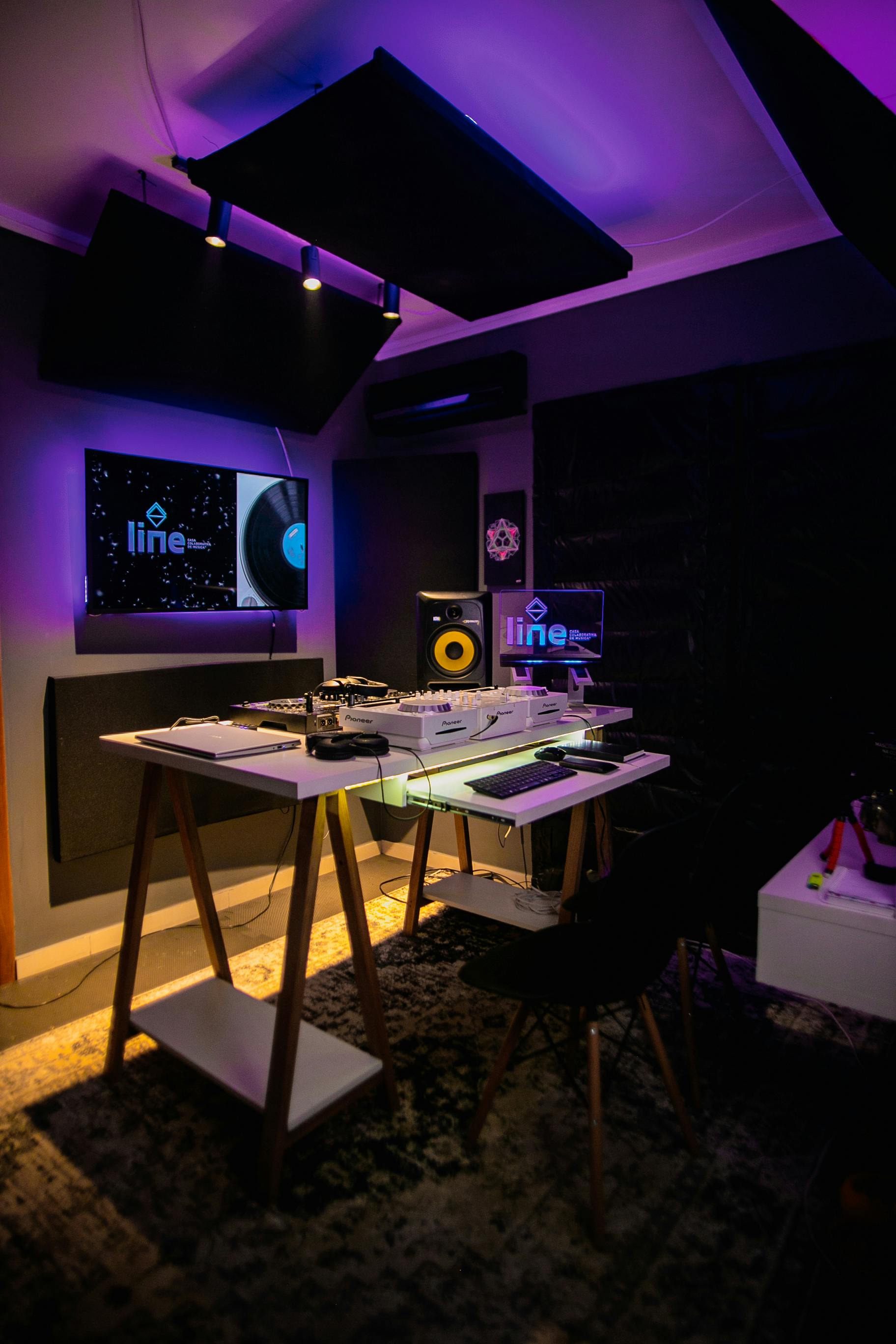
The integration extends beyond audio equipment to encompass lighting, climate control, and even security systems. Smart automation platforms like Control4 or Crestron can synchronize studio operations, automatically adjusting room acoustics, lighting color temperature, and temperature based on the type of recording session or creative work being performed.
Professional-grade equipment integration
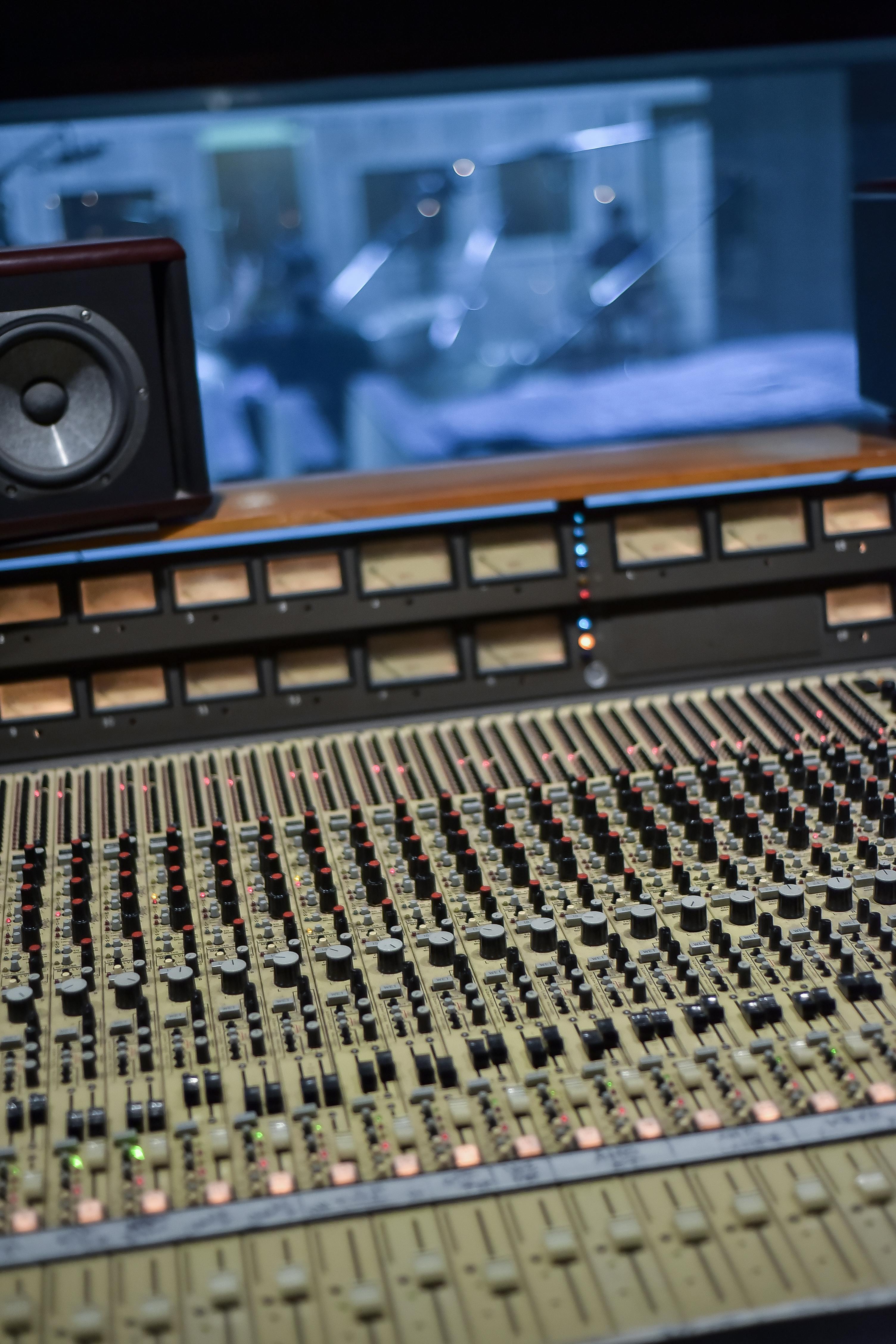
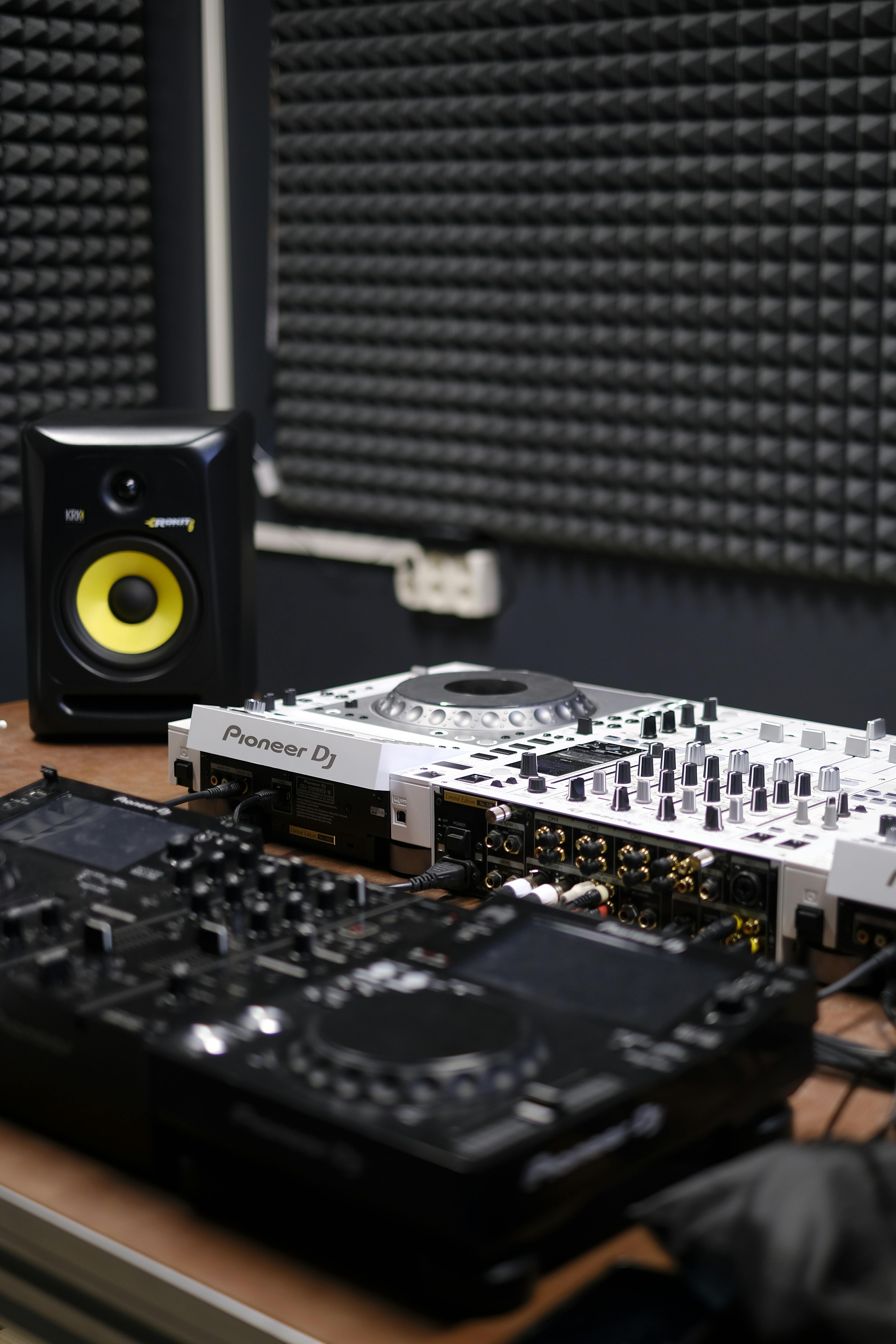
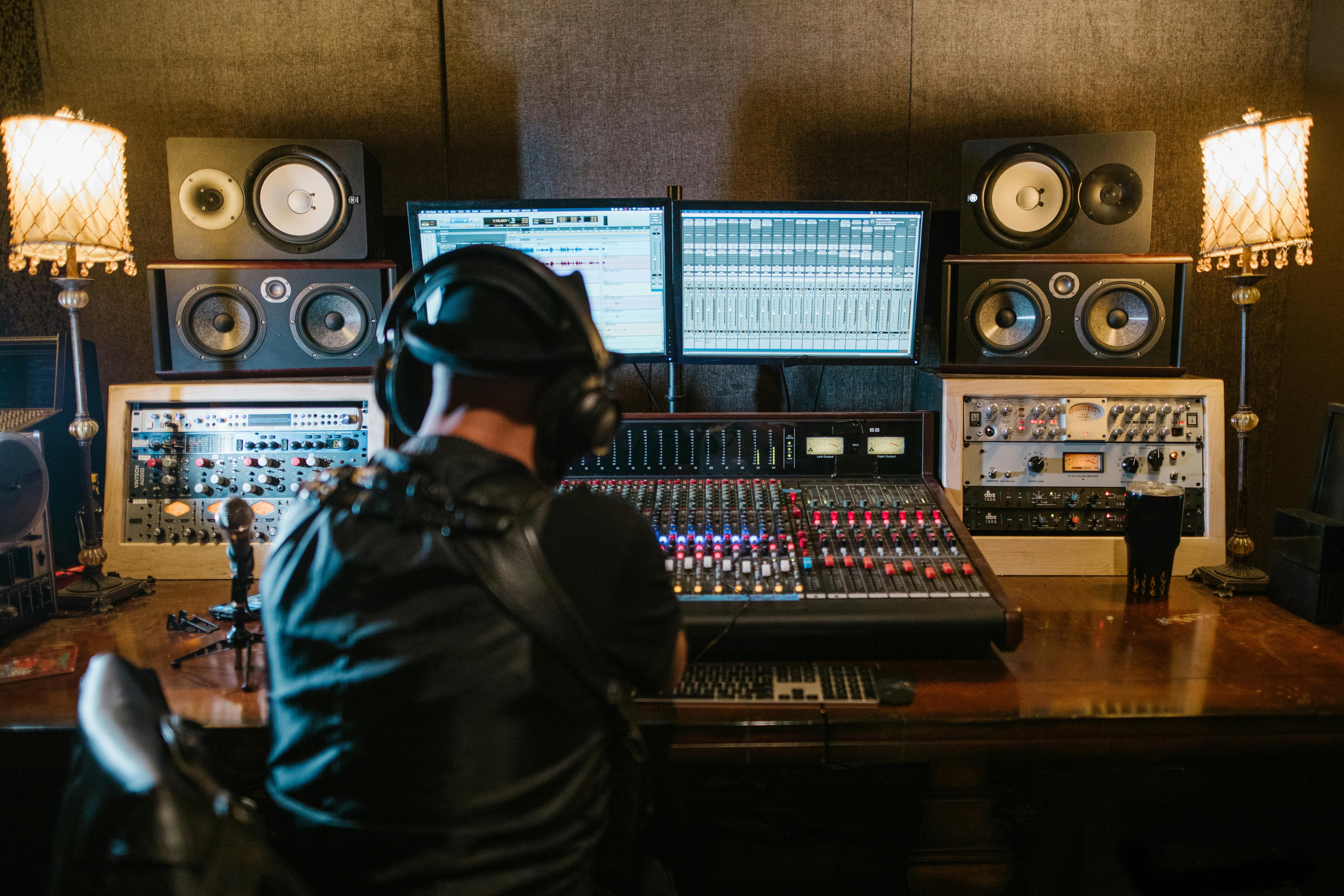
Today’s luxury music studios incorporate equipment that rivals the best commercial facilities. This includes high-end analog-to-digital converters, reference monitors with room correction software, and modular synthesizer systems integrated into custom cabinetry. The challenge lies in presenting this technology elegantly while maintaining easy access for creative work.
This Photo was taken by Guto Macedo.
A DAW computer belongs in the acoustic brief because its heat load drives airflow, and airflow can raise the room noise floor. RawSpecs’ video-editing SSD guide compares drives using cache, capacity and rated write-speed criteria, a practical starting point when separating the system, sample-library and active-session storage roles.
Material selection for acoustic and visual excellence
The materials chosen for luxury music studios must serve dual purposes: optimizing acoustic performance while contributing to the space’s visual sophistication. This requires understanding how different materials interact with sound waves while maintaining the aesthetic standards expected in luxury residential design.
Natural materials with acoustic properties
Wood plays a crucial role in professional studio design, but the species and treatment significantly impact both sound and appearance. Hardwoods like maple and cherry provide excellent diffusion properties while offering the warm, natural beauty expected in luxury spaces. These materials can be crafted into geometric patterns that serve as both acoustic treatment and artistic focal points.
Stone and mineral materials also contribute significantly to studio acoustics. Natural stone provides mass for low-frequency absorption, while carefully selected granite or marble can add elegance without creating unwanted reflections when properly positioned and treated.
High-tech acoustic fabrics and finishes
Modern acoustic fabrics have revolutionized studio design, offering transparency to sound while providing unlimited aesthetic possibilities. These materials can be printed with custom patterns, integrated into lighting systems, or crafted into sculptural elements that double as acoustic treatment.
Much like the sophisticated material selection seen in luxury spa sanctuaries, music studios require materials that enhance both function and sensory experience. The goal is creating an environment that inspires creativity while delivering technical excellence.
This Photo was taken by Stella Giordano.
Environmental control systems for optimal performance
Professional music creation requires precise environmental control extending far beyond basic comfort. Temperature stability, humidity control, and air quality management directly impact both equipment performance and musician comfort during extended creative sessions.
Climate control for equipment and comfort
High-end audio equipment generates significant heat and requires stable operating temperatures for optimal performance. Advanced HVAC systems designed for music studios incorporate variable-speed fans, silenced ductwork, and zoned temperature control to maintain ideal conditions without introducing noise.
Humidity control proves particularly critical, as fluctuations can affect acoustic instruments, damage sensitive electronics, and impact the acoustic properties of natural materials within the studio. Whole-house humidification and dehumidification systems maintain optimal levels year-round.
Air quality and acoustic isolation
Studio ventilation systems must provide fresh air without compromising acoustic isolation. This requires specialized ductwork design using acoustic baffles, flexible connections, and strategic air velocity management to prevent sound transmission through ventilation systems.
The sophisticated environmental systems rival those found in luxury sleeping sanctuaries, where environmental perfection supports optimal human performance and comfort.
This Photo was taken by Merili M.
Lighting design for creative inspiration
Proper lighting in music studios serves both functional and emotional purposes. The lighting must provide adequate illumination for technical work while creating an atmosphere that encourages creativity and reduces fatigue during long recording sessions.
Adaptive lighting systems
Modern studio lighting incorporates circadian rhythm support, automatically adjusting color temperature throughout the day to maintain alertness and reduce eye strain. LED systems with full spectrum control allow musicians to create different moods for various types of creative work, from bright, focused lighting for mixing to warm, atmospheric lighting for performance recording.
Integrated dimming systems connect to the studio’s central control platform, enabling lighting scenes that complement different musical genres or recording techniques. These systems can even sync with digital audio workstations to provide visual feedback during recording and editing processes.
Architectural lighting integration
Hidden LED strips within acoustic panels, cove lighting behind diffusion elements, and programmable accent lighting transform the studio into a visually dynamic space. The lighting design must avoid creating reflections on monitor screens or generating electromagnetic interference with sensitive audio equipment.

This Photo was taken by Amar Preciado.
Technology infrastructure and future-proofing
Building a luxury music studio requires substantial technology infrastructure that must adapt to rapidly evolving audio technology. The physical infrastructure installed during construction determines the studio’s capabilities for decades to come.
Network and power infrastructure
Modern studios require robust network infrastructure supporting high-bandwidth audio streaming, cloud collaboration, and remote recording capabilities. This includes dedicated ethernet runs, fiber optic connections for ultra-low latency applications, and redundant internet connections for critical projects.
Power infrastructure must provide clean, stable electricity free from electromagnetic interference. This often requires dedicated electrical panels, isolation transformers, and uninterruptible power supplies for critical equipment protection.
Expandability and adaptation
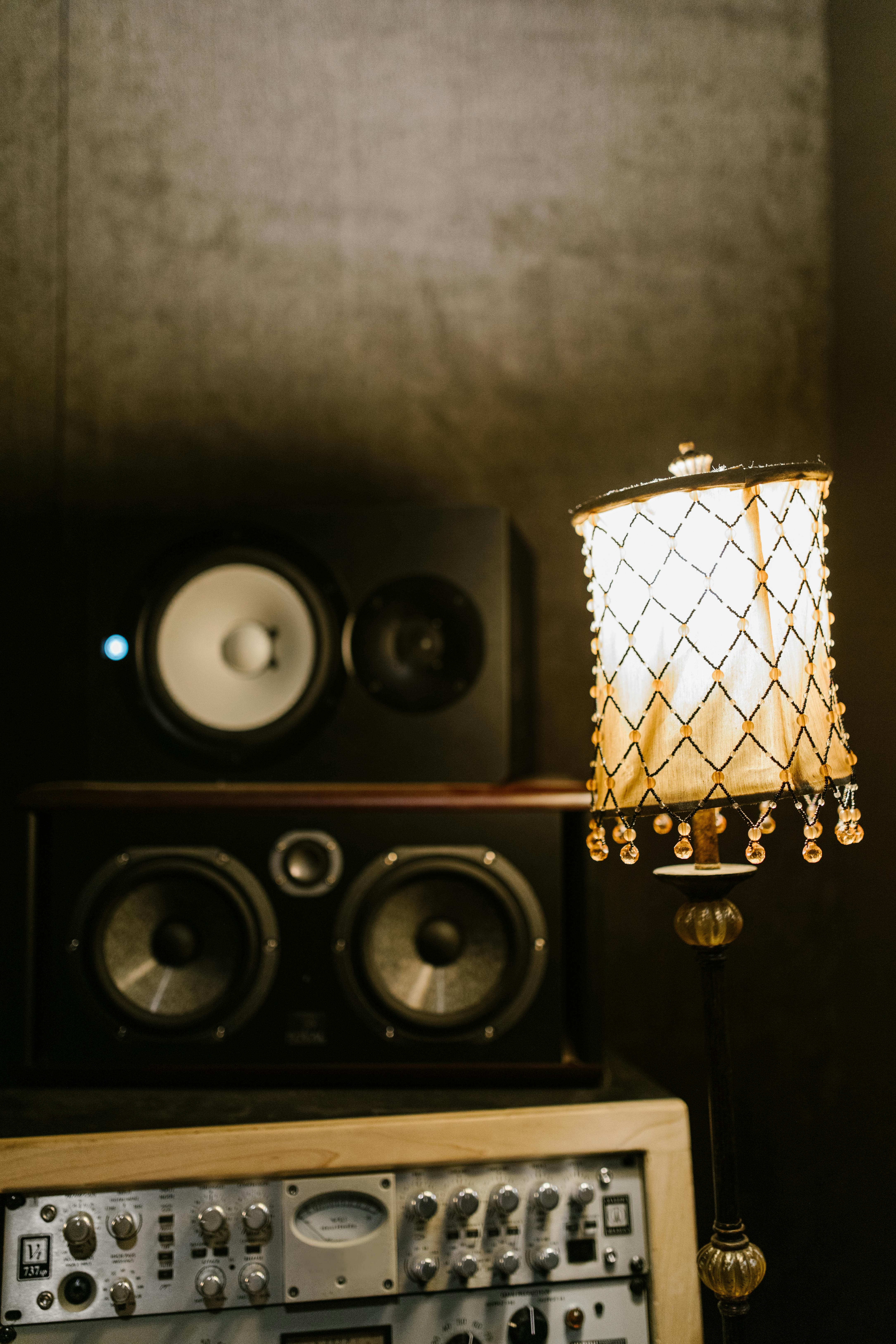
Future-proofing involves installing infrastructure that can accommodate emerging technologies. This includes oversized conduit runs for future cable additions, modular equipment racks that can expand as needed, and flexible room acoustics that can be adjusted for different applications.
According to industry data from the Audio Engineering Society, studios designed with flexible infrastructure maintain their relevance and value significantly longer than those built for specific technologies.
This Photo was taken by RDNE Stock project.
Integration with luxury home ecosystems
A music studio within a luxury residence must integrate seamlessly with the home’s overall systems and aesthetic. This integration extends beyond mere visual coordination to encompass security, automation, and lifestyle enhancement throughout the property.
Whole-house audio distribution
Advanced studios incorporate multi-zone audio distribution that allows high-quality music playback throughout the residence. This system enables musicians to preview their work in different acoustic environments or share their creations with family and guests in various living spaces.
The integration often includes outdoor audio zones, allowing the studio’s output to enhance luxury outdoor entertainment areas and creating a cohesive audio experience throughout the property.
Security and access control
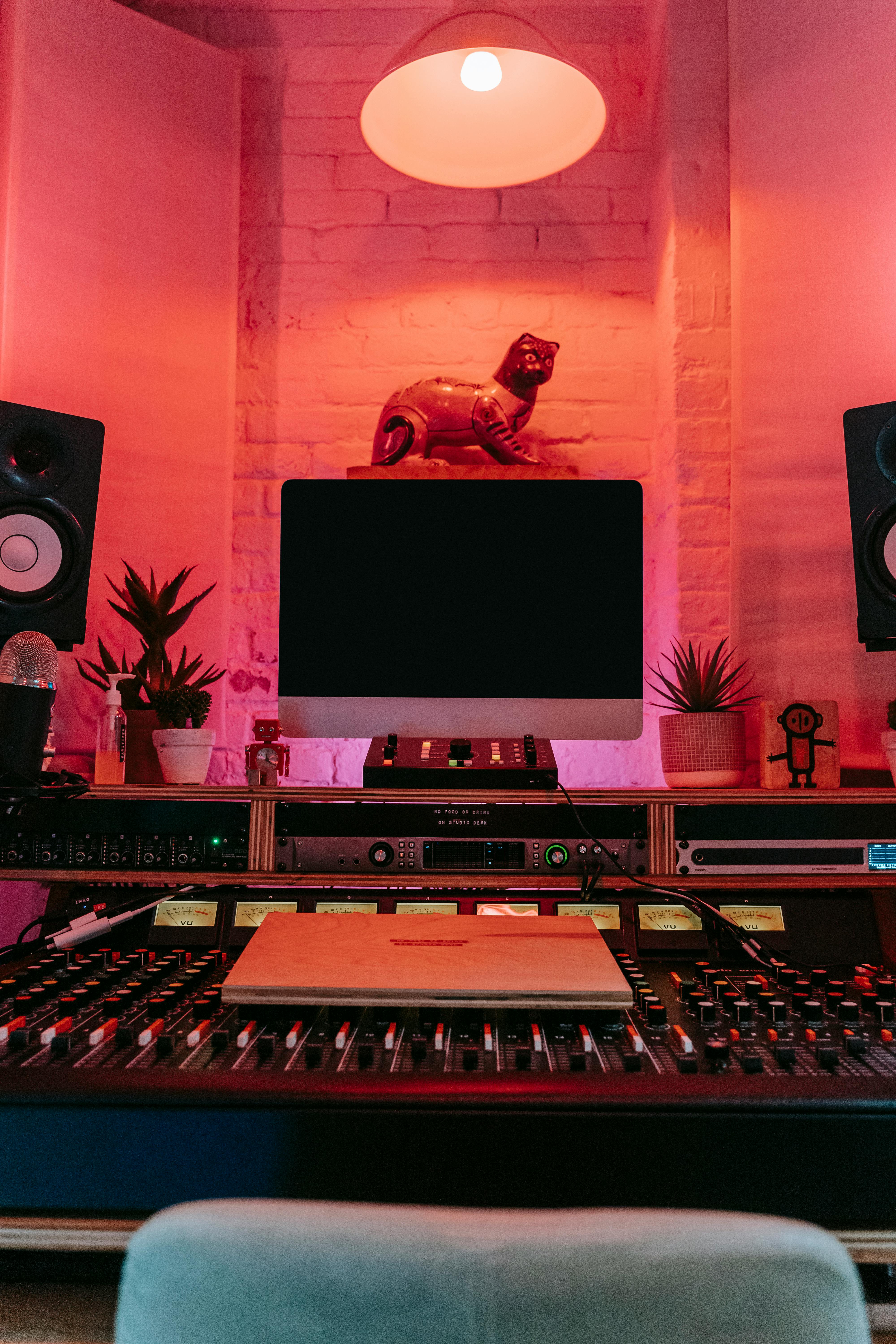
Luxury music studios often house valuable instruments and equipment requiring sophisticated security systems. Biometric access controls, environmental monitoring, and integrated alarm systems protect both the investment and the creative work stored within the space.
These security systems integrate with the home’s overall security infrastructure while providing specialized monitoring for temperature, humidity, and acoustic isolation integrity.
This Photo was taken by Anna Pou.
Frequently asked questions
What is the minimum space required for a professional-quality home music studio?
A professional-quality home studio requires a minimum of 200 square feet, though 300-400 square feet provides optimal flexibility. The room should have minimum ceiling heights of 9 feet, with 12 feet or higher preferred for proper acoustic performance. The space must accommodate both recording and control areas while maintaining proper acoustic separation.
How much does it cost to build an Abbey Road-style home music studio?
Luxury home music studios range from $150,000 to $500,000 depending on size, equipment level, and acoustic complexity. This includes professional-grade soundproofing, acoustic treatment, high-end recording equipment, environmental controls, and architectural integration. The investment typically represents 8-12% of the home’s total value in luxury properties.
Can existing rooms be converted into professional music studios?
Yes, existing rooms can be converted, but success depends on the room’s dimensions, structural elements, and location within the home. Basements and interior rooms often provide better acoustic isolation than rooms with exterior walls. Converting existing spaces typically costs 60-80% of new construction while achieving similar acoustic performance.
What ongoing maintenance do luxury music studios require?
Professional music studios require quarterly acoustic calibration, annual equipment servicing, and continuous environmental monitoring. HVAC filters need monthly replacement, acoustic materials require periodic cleaning, and electronic equipment needs regular firmware updates. Budget approximately 3-5% of the initial investment annually for proper maintenance.
How do home music studios impact property values?
Well-designed music studios typically add 110-130% of their construction cost to property value in luxury markets. The studio must integrate seamlessly with the home’s overall design and include convertibility options for future owners who may not be musicians. Properties with professional studios appeal to a specialized but affluent buyer segment.
What permits and approvals are needed for home studio construction?
Home studio construction typically requires building permits for structural modifications, electrical permits for dedicated power systems, and mechanical permits for specialized HVAC systems. Some jurisdictions have noise ordinances affecting home studios, and homeowner associations may have restrictions on commercial-style equipment installations. Consult local authorities early in the planning process.
This Photo was taken by RDNE Stock project.
The future of luxury residential music creation
Creating an Abbey Road-caliber music studio within a luxury residence represents more than installing professional equipment in an acoustically treated room. It demands a sophisticated understanding of how sound, technology, and design intersect to create spaces that inspire artistic excellence while maintaining the refined elegance expected in luxury homes. The most successful studios achieve this through careful integration of architectural acoustics, smart technology systems, and environmental controls that work in harmony.
The investment in a professional-quality home music studio extends far beyond monetary considerations. These spaces become creative sanctuaries where artistic vision transforms into reality, where the boundaries between professional and personal creativity dissolve. As technology continues evolving and remote collaboration becomes increasingly sophisticated, the home studio emerges as an essential element of luxury living for those who understand that true luxury lies not just in possessing beautiful objects, but in having the space and tools to create beauty itself.
Your musical sanctuary awaits, ready to capture every note, every inspiration, every moment of creative brilliance with the clarity and precision that would make the legendary Abbey Road engineers proud. The question is not whether you can afford to build such a space, but whether you can afford not to give your musical aspirations the professional environment they deserve.