Step into the hallowed halls of Hollywood’s most exclusive screening rooms, and you’ll discover something extraordinary: these aren’t just spaces for watching films—they’re architectural symphonies of light, sound, and technology that transport viewers into alternate realities. Yet while most homeowners settle for basic projector setups or oversized televisions, visionary designers are crafting private cinema sanctuaries that rival the world’s most prestigious studios. The challenge isn’t just creating impressive visuals; it’s orchestrating a complete sensory ecosystem where Dolby Atmos acoustic architecture, smart immersive projection systems, and theatrical design principles converge to create true entertainment sanctuaries.
This Photo was taken by Curtis Adams.
Beyond the screen: understanding luxury cinema architecture fundamentals
The transformation from ordinary room to cinematic sanctuary begins with understanding that true luxury home theaters operate on principles borrowed from professional sound stages and premium screening facilities. Unlike conventional media rooms that focus primarily on screen size, these spaces prioritize acoustic isolation, sight line optimization, and environmental control systems that work in perfect harmony.
Professional cinema architects approach each project with a fundamental understanding: the room itself becomes an instrument. Every surface, every angle, and every material choice contributes to the overall acoustic signature. This philosophy extends beyond simple soundproofing to encompass what industry professionals call “acoustic architecture”—the deliberate shaping of sound through structural design.
The most successful transformations begin with comprehensive room analysis, measuring existing acoustics, identifying potential interference sources, and mapping optimal equipment placement zones. This scientific approach ensures that when Dolby Atmos systems are installed, they’re working with the room’s natural properties rather than fighting against them.
Dolby Atmos acoustic architecture: creating three-dimensional soundscapes
Traditional surround sound systems create audio experiences on a horizontal plane, but Dolby Atmos revolutionizes home cinema by adding precise vertical dimension control. This technology doesn’t simply make sounds louder; it creates acoustic environments where viewers hear helicopters passing overhead, rain falling from specific cloud formations, or whispered conversations seeming to originate from exact spatial coordinates.
| Speaker Configuration | Room Size (sq ft) | Optimal Ceiling Height | Investment Range |
|---|---|---|---|
| 7.1.4 Atmos System | 200-350 | 9-11 feet | $45,000-$75,000 |
| 9.1.6 Atmos System | 350-500 | 10-12 feet | $75,000-$125,000 |
| 11.1.8 Atmos System | 500-750 | 12-14 feet | $125,000-$200,000 |
The architectural integration of Atmos systems requires strategic ceiling modifications that many designers overlook. Overhead speakers must be positioned at precise angles—typically 45 to 65 degrees from the primary listening position—while maintaining aesthetic integration with the room’s design language. This often involves custom ceiling treatments that conceal speaker grilles within decorative elements or architectural features.
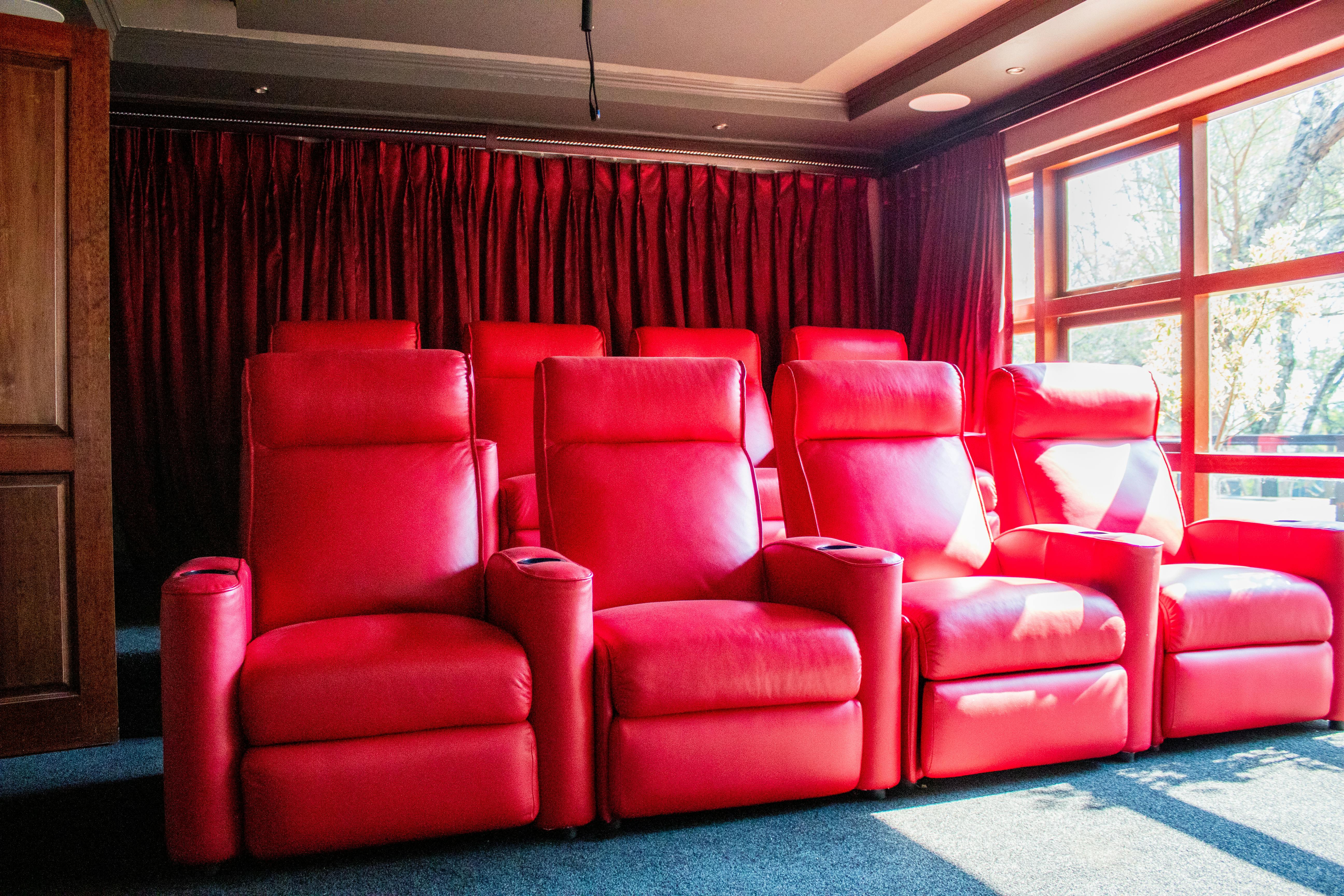
This Photo was taken by Goodlot Dupwa.
Advanced installations incorporate what acousticians call “zone-based processing,” where different areas of the room receive precisely calibrated audio signals. This approach ensures that whether you’re seated in the front row or the back, the acoustic experience remains optimally balanced. The most sophisticated systems include real-time room correction technology that continuously adjusts audio output based on occupancy patterns and environmental changes.
Smart immersive projection systems: beyond traditional display technology
While 4K and 8K projectors dominate marketing discussions, truly immersive projection systems focus on technologies that enhance the viewer’s psychological engagement with content. Laser projection systems, for instance, offer color gamuts that exceed traditional RGB displays by up to 40%, creating more lifelike skin tones and more vibrant natural landscapes.
The integration of smart projection technology extends far beyond simple image quality improvements. Modern systems incorporate ambient light sensors that automatically adjust brightness and contrast based on room conditions, while color temperature systems sync with circadian rhythm preferences to reduce eye strain during extended viewing sessions.
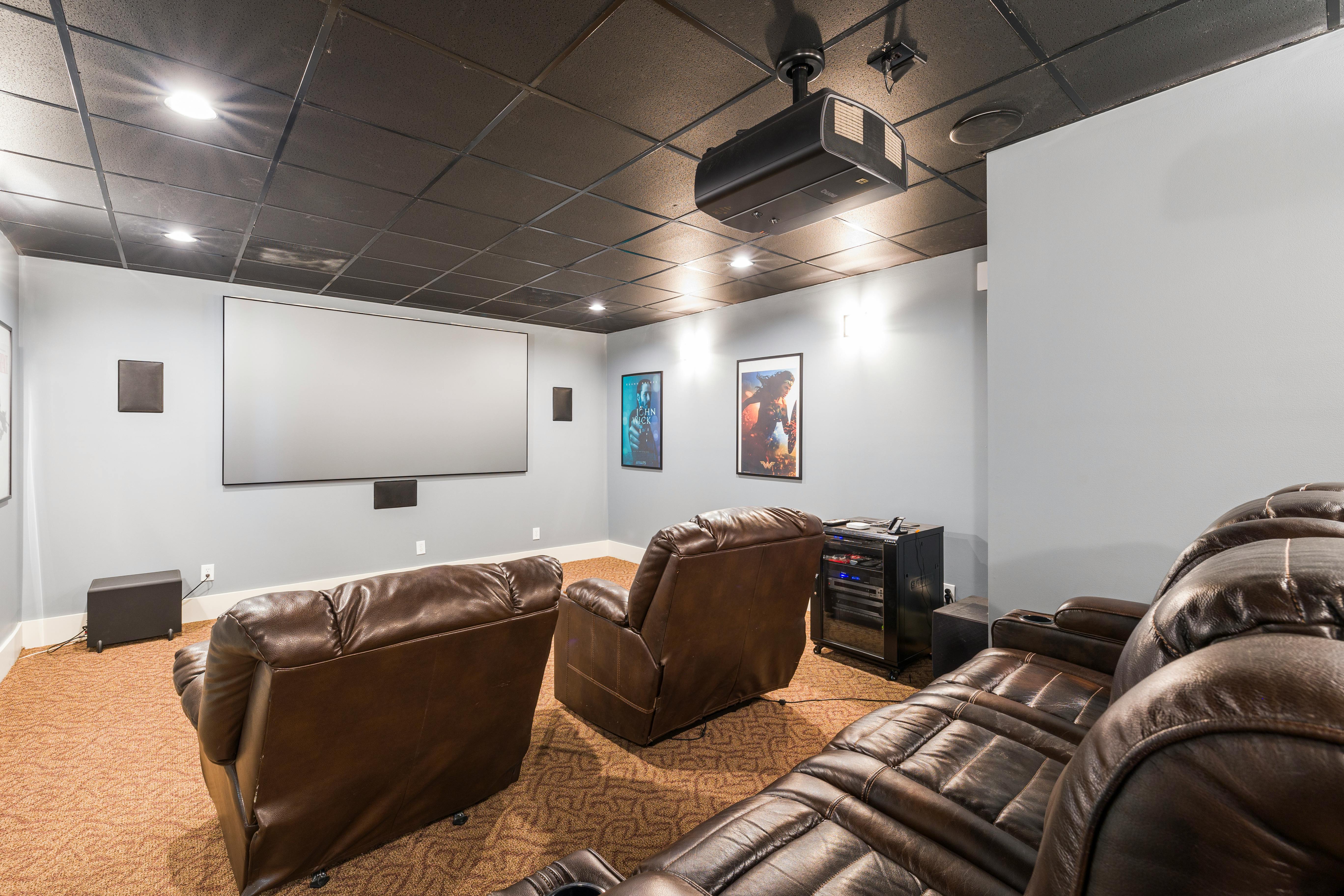
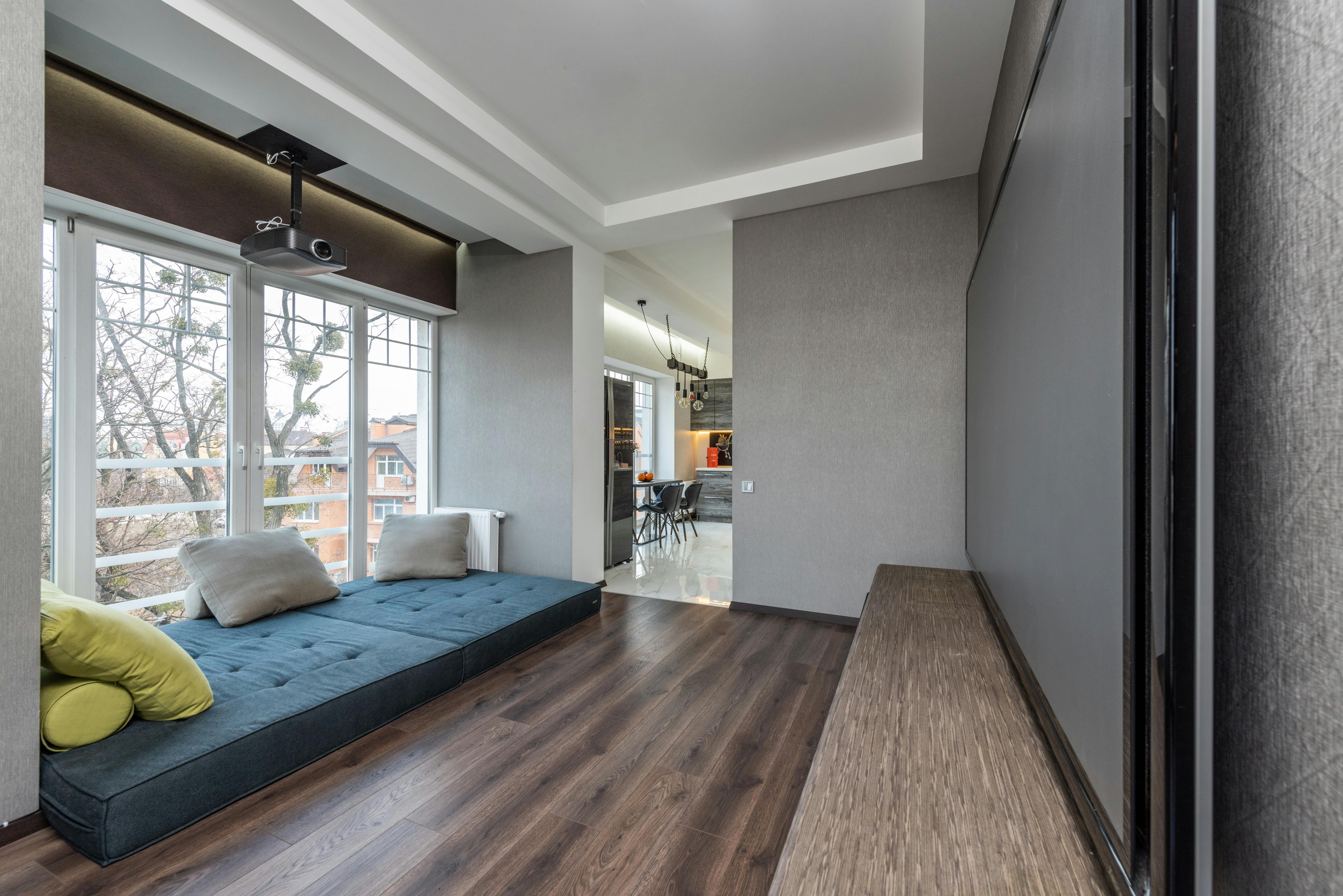
Screen selection plays a crucial role in projection optimization, with many luxury installations favoring acoustically transparent screens that allow front-stage speakers to be positioned directly behind the display surface. This configuration creates more convincing dialogue placement while maintaining clean sight lines throughout the room.

This Photo was taken by Sami TÜRK.
Architectural considerations that separate amateur from professional installations
The difference between impressive home theaters and truly exceptional cinema sanctuaries often lies in architectural details that remain invisible to casual observers. Professional installations incorporate circulation paths that maintain optimal viewing experiences while allowing discrete movement during screenings.
Proper acoustic isolation requires understanding that sound travels through three primary pathways: airborne transmission, structural vibration, and flanking paths through adjacent spaces. Effective isolation addresses all three simultaneously through strategic use of mass-loaded vinyl barriers, structural decoupling systems, and specialized construction techniques that prevent sound leakage.
Climate control systems in luxury cinema spaces operate on principles borrowed from professional recording studios, maintaining precise temperature and humidity levels that protect sensitive electronic equipment while ensuring viewer comfort. These systems typically incorporate multiple zones with independent control, allowing different areas of the room to maintain optimal conditions based on occupancy and equipment heat generation.
Seating configuration and sight line optimization
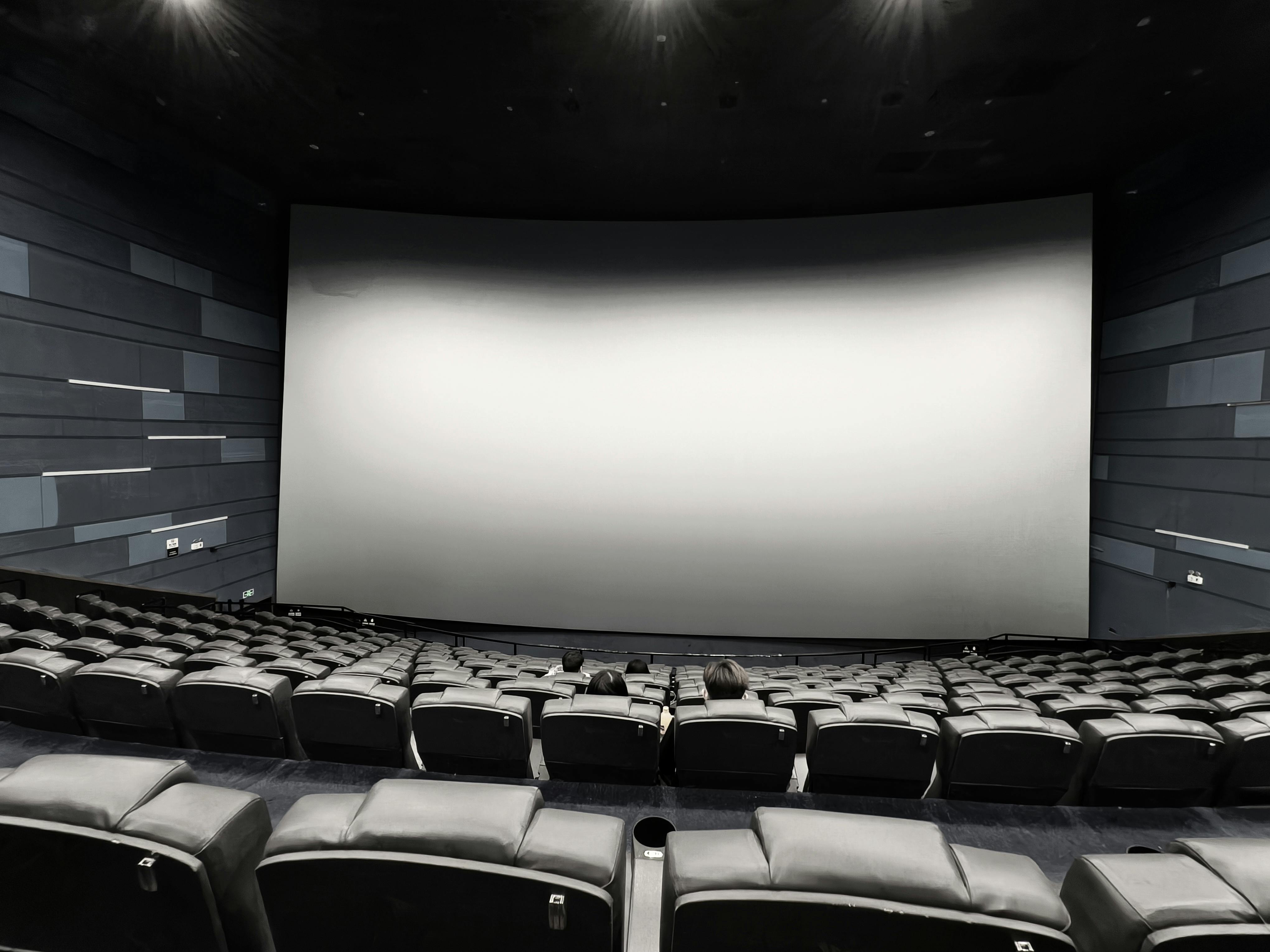
Theater seating goes far beyond selecting comfortable chairs; it involves mathematical precision in determining optimal viewing angles, row spacing, and elevation changes. Professional installations calculate sight lines using industry-standard formulas that ensure every seat provides unobstructed views while maintaining proper viewing distances.
Stadium seating configurations typically feature 12-inch elevation changes between rows, with 42-inch center-to-center spacing that allows comfortable egress without disturbing other viewers. The most sophisticated installations incorporate smart environmental controls similar to luxury sleeping sanctuaries, including individual temperature controls, integrated massage functions, and personal device charging stations.
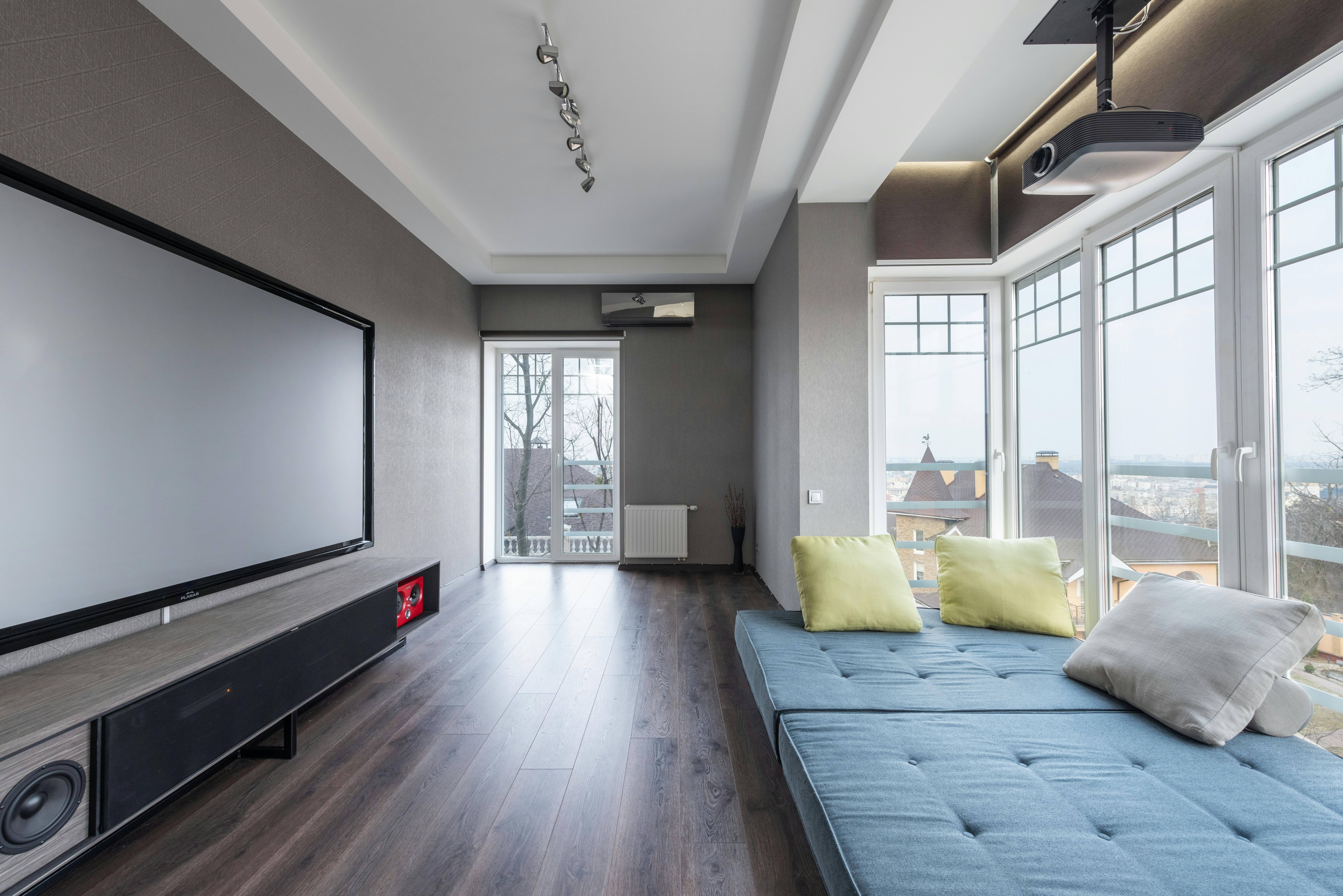
This Photo was taken by Max Vakhtbovych.
Technology integration that enhances rather than complicates
The most successful luxury cinema installations embrace what designers call “invisible technology”—sophisticated systems that operate seamlessly without requiring technical expertise from users. This philosophy drives the integration of smart home ecosystems that can automatically adjust lighting, temperature, audio levels, and projection settings based on content type and viewer preferences.
Advanced control systems learn usage patterns over time, creating personalized presets for different family members or entertainment scenarios. These systems can automatically dim lights when content begins, adjust acoustic processing for dialogue-heavy scenes versus action sequences, and even coordinate with other home systems to minimize interruptions during screenings.
The integration often extends to complementary spaces, creating entertainment ecosystems that flow naturally from underground entertainment lounges to private cinema spaces, ensuring consistent design languages and technological capabilities throughout.
Acoustic treatment strategies that maintain aesthetic appeal
Professional acoustic treatment involves more than installing foam panels on walls; it requires understanding how different materials interact with various frequency ranges while maintaining visual appeal. High-end installations often incorporate custom fabric-wrapped panels that serve dual purposes as both acoustic treatment and decorative elements.
Bass management presents particular challenges in residential environments, where low-frequency energy can easily transfer to adjacent rooms. Advanced installations utilize techniques such as distributed bass arrays, where multiple smaller subwoofers placed strategically throughout the room create more even bass response while reducing peak output requirements.
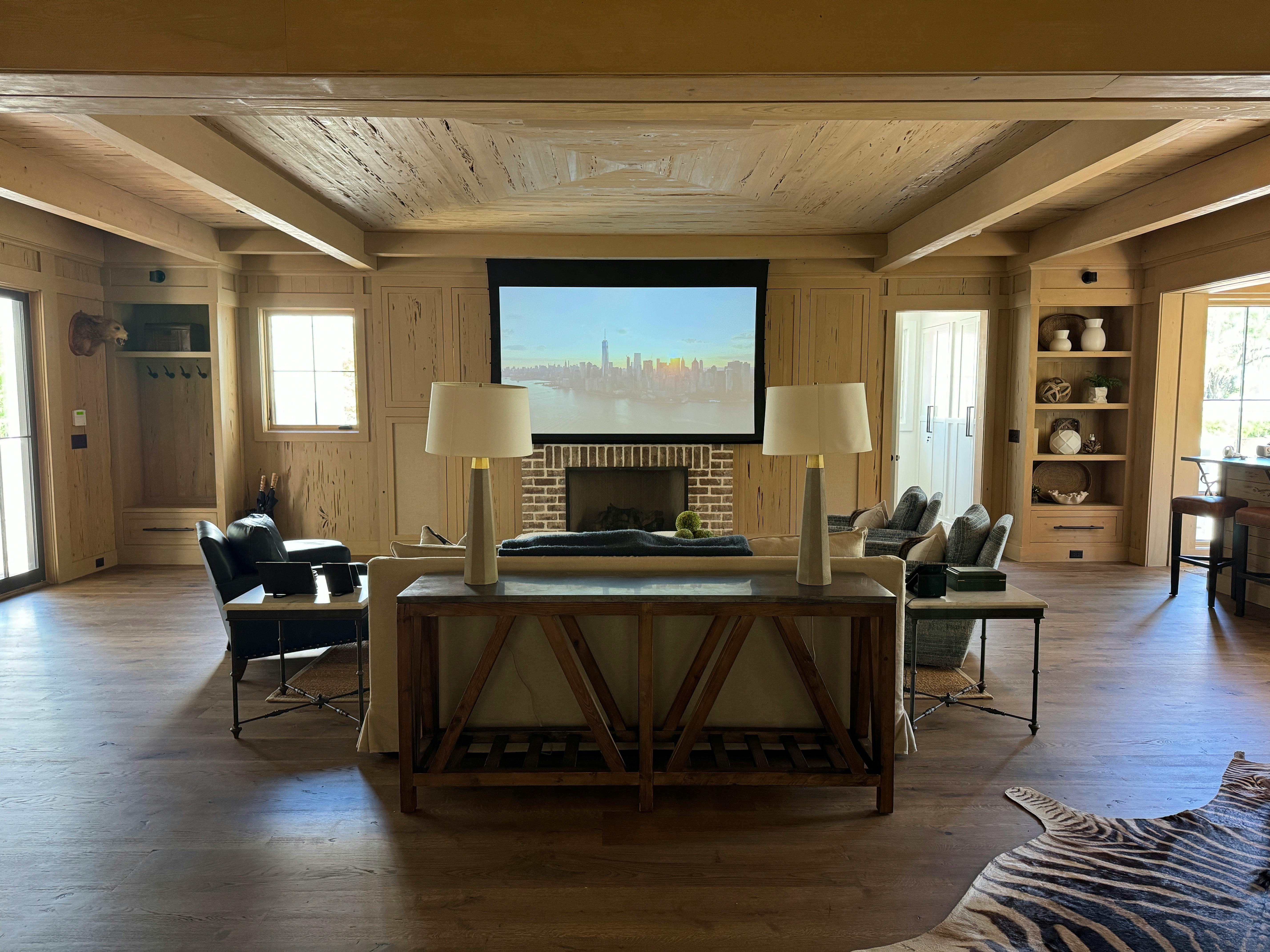
This Photo was taken by Curt Hubner.
The visionary designers behind exceptional transformations
The most extraordinary cinema sanctuaries emerge from collaborations between architects who understand both technical requirements and aesthetic aspirations. These designers approach each project with interdisciplinary expertise, combining knowledge of acoustic physics, projection technology, and luxury interior design principles.
Leading practitioners often begin their careers in professional audio engineering or architectural acoustics before transitioning to residential applications. This background enables them to apply commercial-grade techniques to luxury home environments while adapting solutions to domestic scale and aesthetic requirements.
The design process typically involves extensive collaboration with homeowners to understand viewing preferences, usage patterns, and integration requirements with existing home systems. This collaborative approach ensures that final installations reflect both technical excellence and personal lifestyle preferences.
Case study approaches that inform design decisions
Successful transformations often draw inspiration from multiple sources, incorporating elements from professional screening facilities, luxury hotels, and even performance venues. Some designers create reference libraries of acoustic signature recordings from prestigious cinema installations, using these as benchmarks for their own projects.
The most innovative approaches involve custom fabrication of acoustic elements that serve multiple functions. For example, decorative ceiling features might incorporate integrated speaker mounting systems, while wall treatments provide both acoustic absorption and concealed storage for equipment and media collections.

This Photo was taken by Curtis Adams.
Future-proofing strategies for evolving entertainment technology
The rapid pace of entertainment technology evolution requires strategic planning that anticipates future upgrades without compromising current performance. This involves installing infrastructure capacity that exceeds immediate requirements, such as conduit systems that can accommodate additional cabling and power distribution that supports higher-capacity equipment.
Forward-thinking installations incorporate modular design principles that allow component upgrades without requiring structural modifications. This might involve designing equipment racks with expansion capacity or installing projection mounting systems that can accommodate larger or differently configured equipment.
Network infrastructure plays an increasingly important role in luxury cinema systems, with many installations requiring dedicated high-bandwidth connections for streaming ultra-high-definition content and supporting smart home integration features. The most sophisticated systems include redundant network pathways and isolated subnets that prevent entertainment systems from interfering with other home network functions.
Sustainable technology choices that reduce long-term costs
Energy efficiency considerations increasingly influence equipment selection in luxury installations, with laser projection systems offering significantly longer operational life spans and lower power consumption compared to traditional lamp-based projectors. These systems typically operate for 20,000 hours or more without requiring maintenance, compared to 2,000-4,000 hours for lamp-based systems.
Climate control efficiency can be optimized through strategic equipment placement that minimizes heat generation in occupied areas while ensuring adequate ventilation for sensitive electronics. Some installations incorporate heat recovery systems that capture waste heat from projection equipment for use in other home systems.

This Photo was taken by Eduardo Freire.
Integration with broader luxury living environments
The most successful cinema sanctuaries don’t exist in isolation; they integrate seamlessly with broader luxury living environments to create cohesive entertainment ecosystems. This integration often extends to wellness retreat spaces where relaxation continues after screenings, or to executive office sanctuaries where business presentations can utilize the same high-quality projection systems.
Design continuity ensures that cinema spaces feel like natural extensions of the home’s overall aesthetic rather than isolated entertainment boxes. This might involve carrying architectural details from private library sanctuaries into theater design, or coordinating material palettes with wine cellar installations that might serve as pre-screening gathering spaces.
Technology integration often extends throughout luxury homes, with cinema control systems that can communicate with outdoor entertainment pavilions for seamless indoor-outdoor entertainment transitions. Some installations even coordinate with automotive showcase spaces to create comprehensive lifestyle environments where every space reflects the same commitment to technical excellence and aesthetic refinement.
This Photo was taken by Max Vakhtbovych.
Investment considerations and value propositions
According to industry analysis, professionally designed cinema installations typically add 15-25% more value to luxury properties compared to standard media room configurations. This premium reflects both the technical sophistication and the rarity of truly exceptional installations in the residential market.
The total investment for Hollywood studio-quality installations typically ranges from $200,000 to $500,000, depending on room size, technology specifications, and architectural modification requirements. However, these costs should be evaluated against the long-term value proposition and the enhanced lifestyle benefits that extend far beyond simple entertainment.
Maintenance and operational costs for luxury cinema systems average 3-5% of initial installation costs annually, primarily covering system calibration, equipment updates, and preventive maintenance protocols. Many high-end systems include comprehensive service agreements that ensure optimal performance throughout the equipment’s operational life.
Common implementation challenges and professional solutions
The most frequent obstacles in luxury cinema transformations involve acoustic isolation in existing structures, particularly in urban environments where sound transmission to neighboring properties must be carefully managed. Professional solutions often incorporate room-within-room construction techniques that provide exceptional isolation without requiring extensive structural modifications.
Technology integration complexity can overwhelm even technically sophisticated homeowners, making professional programming and calibration services essential for optimal performance. The most successful installations include comprehensive training programs that ensure users can confidently operate sophisticated systems without technical support.
Climate control challenges in basement installations or spaces with limited ventilation require specialized solutions that maintain equipment reliability while ensuring occupant comfort. Advanced installations often incorporate dedicated HVAC systems with precise humidity control and air filtration specifically designed for sensitive electronic environments.
This Photo was taken by Sea Blue.
Frequently asked questions about luxury cinema transformations
What room dimensions work best for Dolby Atmos installations?
Optimal room dimensions follow ratios that minimize acoustic standing waves, typically with length-to-width ratios between 1.4:1 and 1.8:1, and height proportions that avoid cube-like configurations. Rooms smaller than 200 square feet struggle to accommodate proper Atmos speaker spacing, while spaces larger than 750 square feet may require commercial-grade equipment for optimal coverage.
How much ceiling height is required for overhead speakers?
Minimum ceiling heights of 9 feet are required for basic Atmos installations, though 11-12 feet provides optimal speaker placement angles and allows for proper acoustic treatment integration. Lower ceilings can accommodate in-ceiling speakers, but may compromise the three-dimensional audio experience that defines true Atmos systems.
Can existing rooms be converted without major construction?
Many rooms can accommodate luxury cinema installations through strategic modifications rather than complete reconstruction. Key factors include existing electrical capacity, HVAC adequacy, and structural suitability for equipment mounting. Professional assessment typically identifies the most cost-effective upgrade pathways for specific spaces.
What ongoing maintenance do these systems require?
Professional calibration should occur annually to maintain optimal performance, while laser projection systems require minimal routine maintenance compared to lamp-based projectors. Climate monitoring systems should be checked quarterly, and acoustic treatments benefit from professional cleaning annually to maintain both performance and appearance.
How do smart home systems integrate with cinema technology?
Modern luxury cinema installations typically integrate with whole-home automation systems through protocols like Control4, Crestron, or Savant. This integration allows cinema systems to coordinate with lighting, climate, security, and other home systems for seamless operation and enhanced user experiences.
What return on investment can homeowners expect?
According to National Association of Home Builders research, professionally installed luxury cinema systems typically return 65-80% of their investment in immediate property value increases, with additional lifestyle value that varies by individual preferences and usage patterns.
This Photo was taken by Iryna Varanovich.
The art of creating truly transformative entertainment sanctuaries
The evolution from standard media rooms to Hollywood studio-quality cinema sanctuaries represents more than technological advancement; it embodies a fundamental shift in how we conceive luxury living spaces. These installations succeed not merely through superior equipment specifications, but through the artistic integration of acoustic science, projection technology, and architectural design principles that create environments where entertainment becomes transcendent experience.
The visionary designers who craft these spaces understand that true luxury lies in the seamless orchestration of complex systems that appear effortlessly simple to users. When Dolby Atmos acoustic architecture disappears into architectural elements, when smart projection systems anticipate viewing preferences, and when every surface contributes to both aesthetic appeal and acoustic performance, the result transcends traditional notions of home entertainment.
As we advance into 2026, the distinction between professional cinema facilities and luxury residential installations continues to blur. The same technologies that create magical experiences in the world’s most prestigious screening rooms now integrate into private homes through the expertise of designers who approach each project as both technical challenge and artistic opportunity. These entertainment sanctuaries don’t just showcase films; they create lasting memories that transform how families experience storytelling, bringing the magic of Hollywood’s golden age into the comfort of contemporary luxury living.