The modern luxury living room has evolved far beyond the traditional concept of a “sitting room” where guests perched uncomfortably on formal furniture. Today’s discerning homeowners demand spaces that seamlessly blend the sophisticated elegance of a five-star resort with the warm functionality of a family gathering hub. Yet many luxury renovations fall short, creating spaces that feel either too formal for daily life or too casual for entertaining discerning guests.
The challenge lies in achieving that perfect balance where architectural grandeur meets intimate comfort, where custom millwork serves both aesthetic and practical purposes, and where carefully curated art elevates the space without overwhelming it. In 2025, visionary designers are solving this puzzle by treating living rooms and great rooms as “sanctuary spaces” that adapt to multiple functions while maintaining their luxurious character throughout the day.
The sanctuary approach to luxury living spaces
The most successful luxury living room transformations in 2025 start with a fundamental shift in thinking. Instead of designing a room, visionary designers create what they call “adaptive sanctuaries” – spaces that can seamlessly transition from a peaceful morning coffee retreat to an elegant evening entertainment venue.

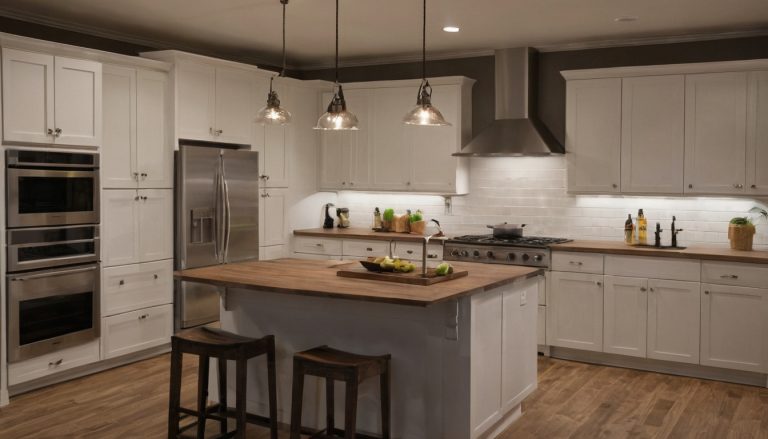
This Photo was taken by GALERI CREATOR.
This approach requires a deep understanding of how families actually live in these spaces. According to recent luxury home usage studies, premium living rooms now serve an average of 7.3 different functions daily, from formal entertaining to children’s homework supervision. The most successful transformations accommodate this reality through thoughtful zoning and flexible architectural elements.
The sanctuary concept also emphasizes emotional connection to space. Research from the American Society of Interior Designers shows that homeowners spend 34% more time in living rooms that incorporate biophilic design elements and natural material palettes. This finding drives many 2025 transformations toward organic textures, living walls, and strategic connections to outdoor spaces.
Multi-functional zoning strategies
Creating distinct zones within open-plan living spaces requires sophisticated architectural solutions that go beyond simple furniture arrangement. Visionary designers use custom millwork, varied ceiling heights, and strategic lighting to define areas without creating visual barriers.
The most effective zoning strategies incorporate what designers call “transitional thresholds” – subtle architectural cues that signal a change in function. These might include a shift from wide-plank hardwood to natural stone, a custom-designed rug border embedded in the flooring, or overhead beam work that defines conversation areas.
Custom architectural features that define luxury
The architectural bones of a luxury living room transformation determine its long-term success more than any single furnishing or decorative element. In 2025, the most impactful custom features serve both aesthetic and functional purposes while creating the sense of permanence that distinguishes true luxury from mere decoration.

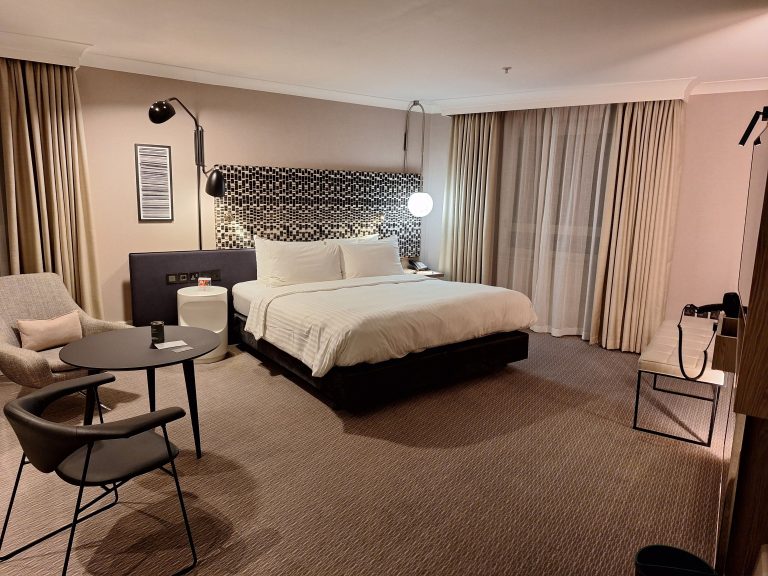
This Photo was taken by Hanna Pad.
Ceiling architecture as the fifth wall
Sophisticated ceiling treatments have become the signature element of resort-style living rooms. Rather than viewing the ceiling as merely overhead space, visionary designers treat it as the “fifth wall” – an opportunity to add drama, define zones, and integrate technology seamlessly.
Coffered ceilings remain popular but are evolving beyond traditional rectangular patterns. Contemporary interpretations feature asymmetrical configurations, integrated LED lighting strips, and mixed materials that complement the room’s overall design language. Some of the most striking 2025 transformations incorporate living elements like moss panels or preserved botanical installations within ceiling coffers.
Vaulted and cathedral ceiling renovations present unique opportunities for dramatic impact. Strategic beam placement can create intimate conversation areas within soaring spaces, while clerestory windows add natural light without compromising privacy. The key lies in balancing grandeur with human scale through careful proportioning and thoughtful furniture placement.
Custom millwork integration
Built-in millwork elements serve as the backbone of luxury living room functionality while providing opportunities for personalized craftsmanship. The most successful installations go far beyond basic bookcases or entertainment centers to create comprehensive storage and display systems that appear to be original architectural elements.
| Millwork Element | Primary Function | Luxury Enhancement | 2025 Innovation |
|---|---|---|---|
| Floor-to-ceiling libraries | Book storage and display | Museum-quality lighting | Climate control integration |
| Media walls | Technology concealment | Acoustic optimization | Automated panel systems |
| Bar and beverage stations | Entertainment support | Temperature-controlled storage | Smart inventory tracking |
| Window seat installations | Additional seating | Integrated storage | Heated cushion systems |
The craftsmanship level expected in 2025 luxury millwork rivals fine furniture making. Hand-selected wood grains, traditional joinery techniques, and custom hardware create installations that will develop character and value over decades. Many projects now include collaboration with master woodworkers who specialize in specific regional techniques or historical styles.
Fireplace design as architectural anchor
The fireplace remains the emotional and visual anchor of luxury living rooms, but contemporary interpretations push far beyond traditional hearth designs. Modern fireplace installations serve as sculptural focal points that integrate heating, lighting, and even air purification technologies.
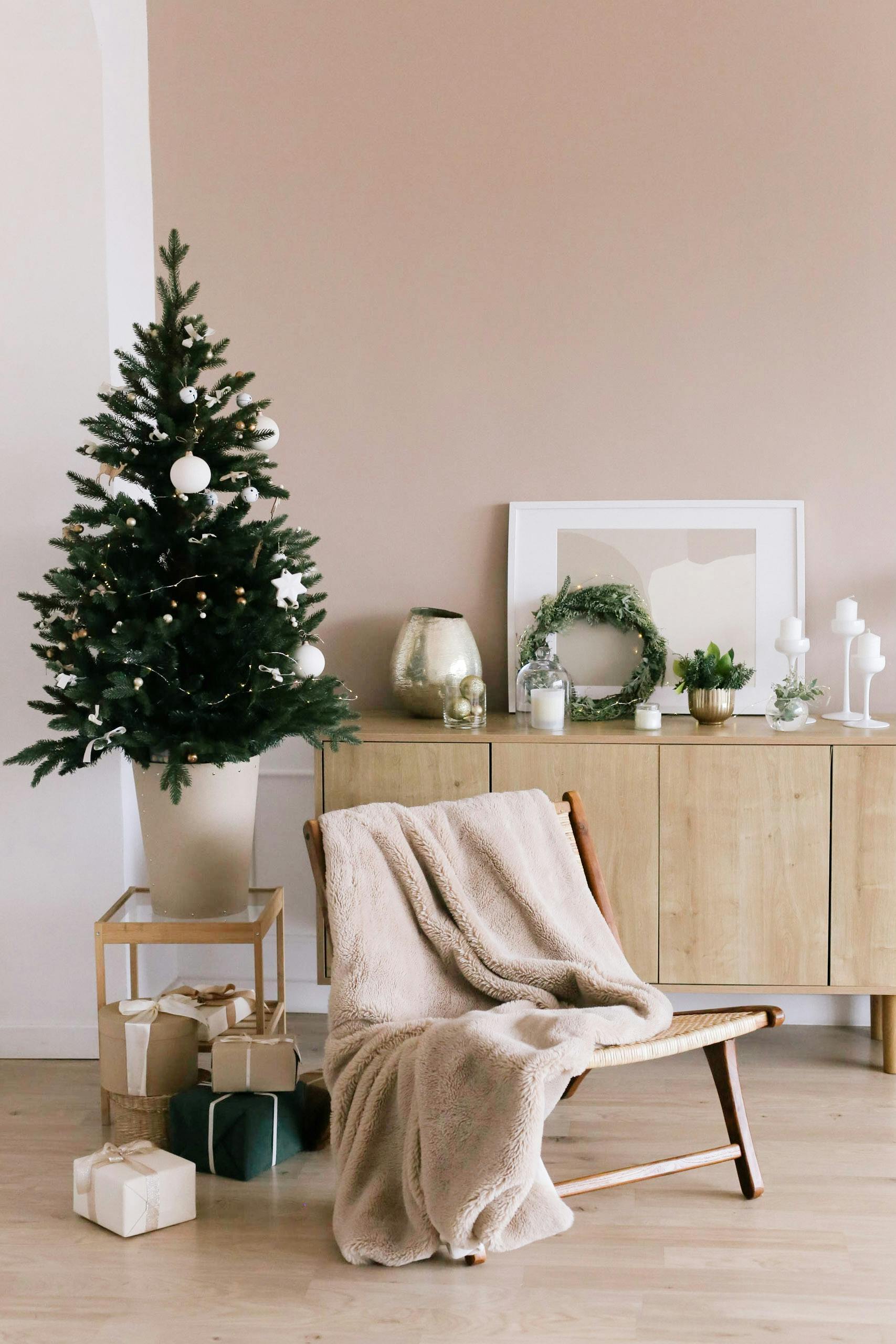
This Photo was taken by Hanna Pad.
Double-sided fireplaces create dramatic room divisions while maintaining sight lines and conversation flow. These installations work particularly well in great room settings where they can serve both formal living areas and adjacent spaces like dining rooms or gourmet kitchens.
Material selection for fireplace surrounds increasingly emphasizes natural elements that connect interior spaces with outdoor environments. Book-matched stone slabs, reclaimed wood mantels, and even living moss walls create organic focal points that change subtly with lighting and seasonal variations.
Technology integration in fireplace design
Smart fireplace systems now offer precise temperature control, programmable lighting effects, and integration with whole-home automation platforms. Some luxury installations include air quality monitoring that automatically adjusts ventilation based on indoor and outdoor conditions.
The most sophisticated systems incorporate multiple fuel sources – traditional wood burning for ambiance, gas for convenience, and electric elements for supplemental heating. This flexibility allows homeowners to choose the appropriate option based on weather conditions, entertainment needs, or environmental considerations.
Art integration as architectural element
Curated art integration in luxury living rooms has evolved beyond simple wall hanging to become an integral part of the architectural design process. Visionary designers now collaborate with