Imagine stepping into your master bathroom and feeling the stress of the day melt away as warm steam envelops you in your private wellness sanctuary. The imported Carrara marble beneath your feet radiates gentle warmth, while precision-engineered thermostatic controls maintain the perfect temperature for your daily hydrotherapy ritual. This isn’t just wishful thinking – it’s the new reality that visionary designers are creating in luxury homes across the globe.
Most homeowners settle for cramped, utilitarian bathrooms that feel more like afterthoughts than sanctuaries. But forward-thinking designers are transforming these spaces into resort-style wellness retreats that rival the most exclusive spas. The key lies in understanding how advanced thermostatic steam systems integrate with carefully selected natural stone architecture to create environments that nurture both body and soul.
You’re about to discover the insider strategies that top designers use to craft these transformative spaces, from the technical mastery behind steam delivery systems to the artful selection of hydrotherapy-grade materials that create lasting wellness sanctuaries.
This Photo was taken by Bilal Mansuri.
The psychology of transformation spaces
The most successful luxury bathroom transformations begin with understanding the psychological impact of space on wellness. Research from the Global Wellness Institute shows that Americans spend less than 30 minutes daily in true relaxation, making the design of restorative home environments more crucial than ever.
Visionary designers recognize that effective spa bathrooms must trigger what neuroscientists call the “relaxation response” – a measurable physiological shift that occurs when the nervous system encounters specific environmental cues. These cues include controlled temperature gradients, natural material textures, and the subtle sound of moving water.
“The bathroom has become the new meditation room,” explains renowned designer Maria Santos, whose wellness-focused projects have been featured in Architectural Digest. “We’re not just installing fixtures – we’re choreographing daily rituals that restore mental clarity and physical vitality.”
This psychological foundation informs every technical decision, from the placement of thermostatic controls within easy reach of the steam bench to the selection of stone materials that provide tactile comfort barefoot. The goal isn’t just luxury for its own sake, but the creation of spaces that actively contribute to long-term wellness.
Thermostatic steam systems engineering excellence
The heart of any world-class spa bathroom lies in its steam delivery system, and 2025 has brought remarkable advances in thermostatic control technology. Unlike basic steam generators that cycle on and off, causing uncomfortable temperature fluctuations, premium thermostatic systems maintain precise temperature control within one degree Fahrenheit.
Leading manufacturers like MrSteam and Steamist have introduced AI-powered systems that learn user preferences and automatically adjust steam output, humidity levels, and aromatherapy dispensing. These systems integrate seamlessly with whole-home automation, allowing you to preheat your steam shower while driving home from work.
| Steam System Feature | Standard Installation | Luxury Thermostatic System |
|---|---|---|
| Temperature Control | ±5°F variation | ±1°F precision |
| Startup Time | 8-12 minutes | 3-5 minutes |
| Energy Efficiency | Standard | 40% more efficient |
| Smart Integration | Manual controls | Full home automation |
The installation requires careful planning of electrical and plumbing infrastructure. High-end systems demand dedicated 240V electrical circuits and specialized drainage systems that handle condensation without compromising the integrity of surrounding materials. Professional designers work closely with mechanical engineers to ensure these systems integrate invisibly into the overall aesthetic.
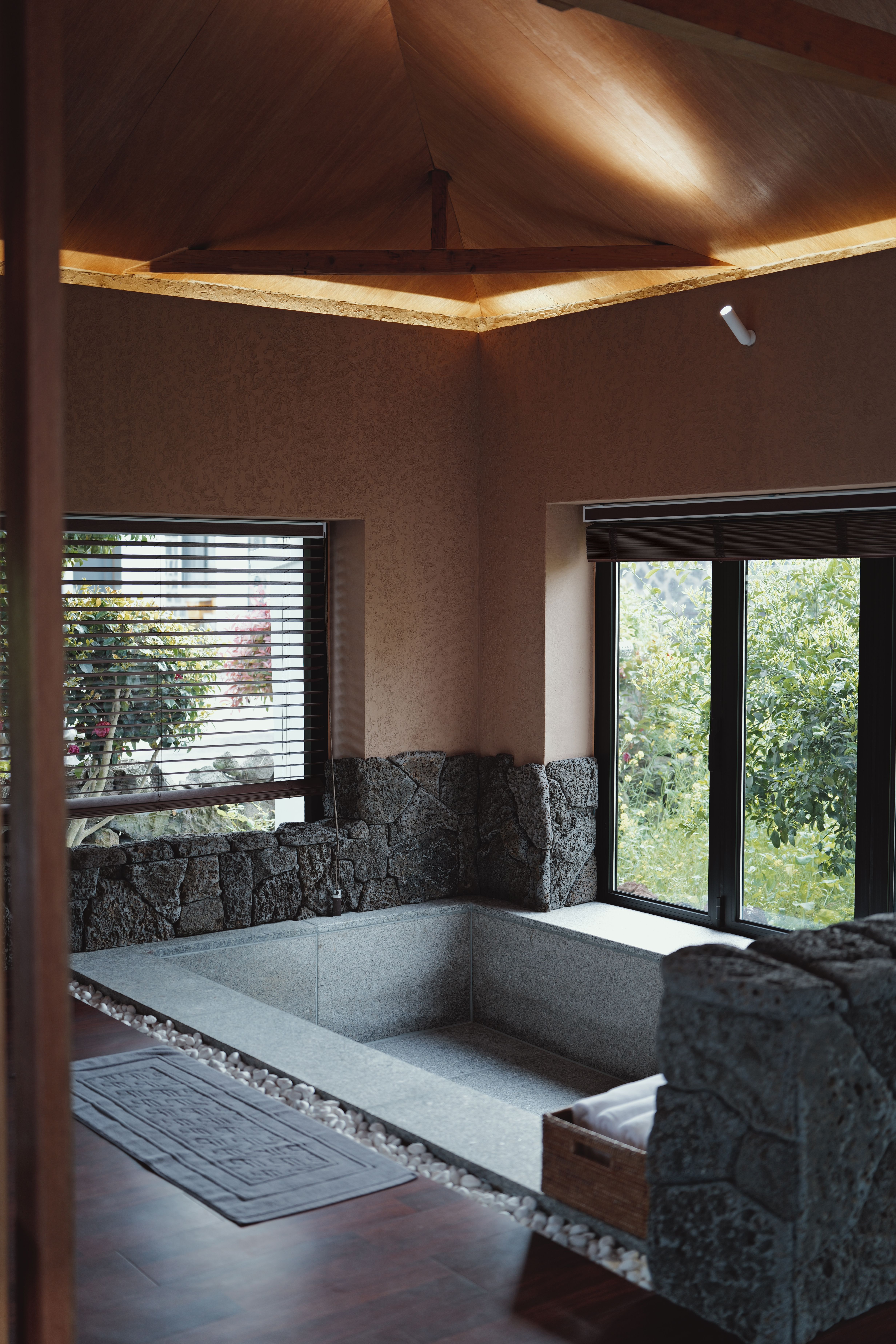
This Photo was taken by Little forest 작은 숲.
Natural stone selection for hydrotherapy environments
Selecting appropriate natural stone for steam environments requires understanding both aesthetic appeal and technical performance under extreme conditions. The constant exposure to heat, humidity, and temperature fluctuations demands materials that maintain structural integrity while providing slip-resistant surfaces.
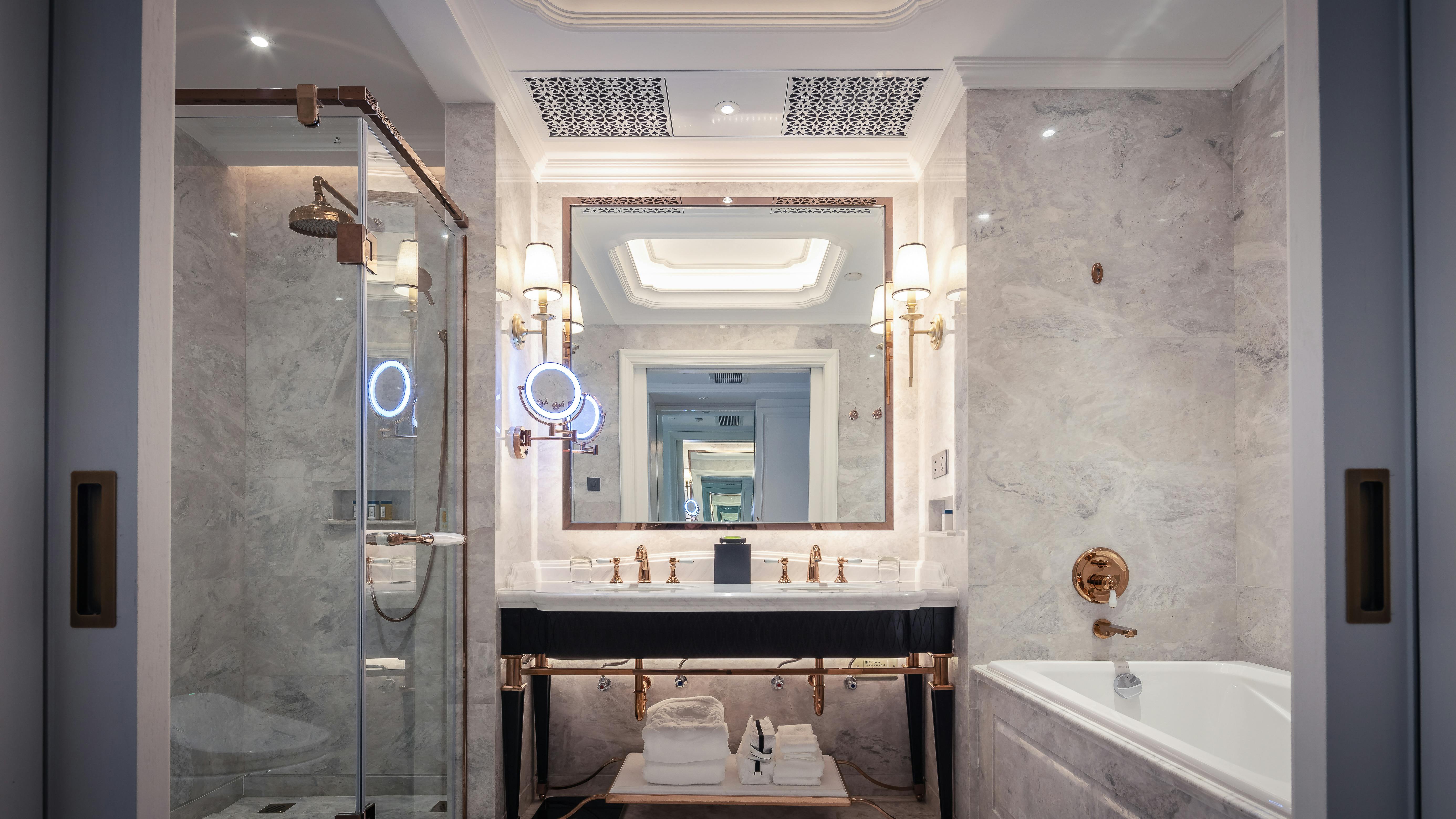
Quartzite has emerged as a preferred choice among discerning designers, offering the visual appeal of marble with superior durability. Brazilian quartzite varieties like Taj Mahal and Super White provide stunning veining while resisting the etching that can affect traditional marble in steam environments.
For flooring, designers increasingly specify honed finishes rather than polished surfaces. The subtle texture provides essential slip resistance while maintaining the sophisticated appearance that luxury clients expect. Proper installation includes specialized sealers designed for high-moisture environments and heated substrate systems that eliminate cold spots.
The integration with existing bedroom spaces requires careful consideration of material transitions. Many successful projects feature custom millwork elements that bridge the bedroom and bathroom, creating a seamless flow between rest and rejuvenation zones.
Stone preparation and treatment protocols
Professional installation of natural stone in steam environments follows strict protocols that ensure longevity and performance. The substrate preparation involves multiple waterproofing layers, including liquid membrane systems and vapor barriers that prevent moisture infiltration into structural elements.
Skilled craftsmen apply penetrating sealers specifically formulated for high-temperature environments. These treatments penetrate deep into the stone’s porous structure, creating a protective barrier that repels moisture while allowing the material to breathe naturally.
The grouting process requires specialized materials that flex with temperature changes without cracking. Epoxy-based grouts provide superior water resistance compared to traditional cement-based options, maintaining their appearance and protective properties over decades of use.
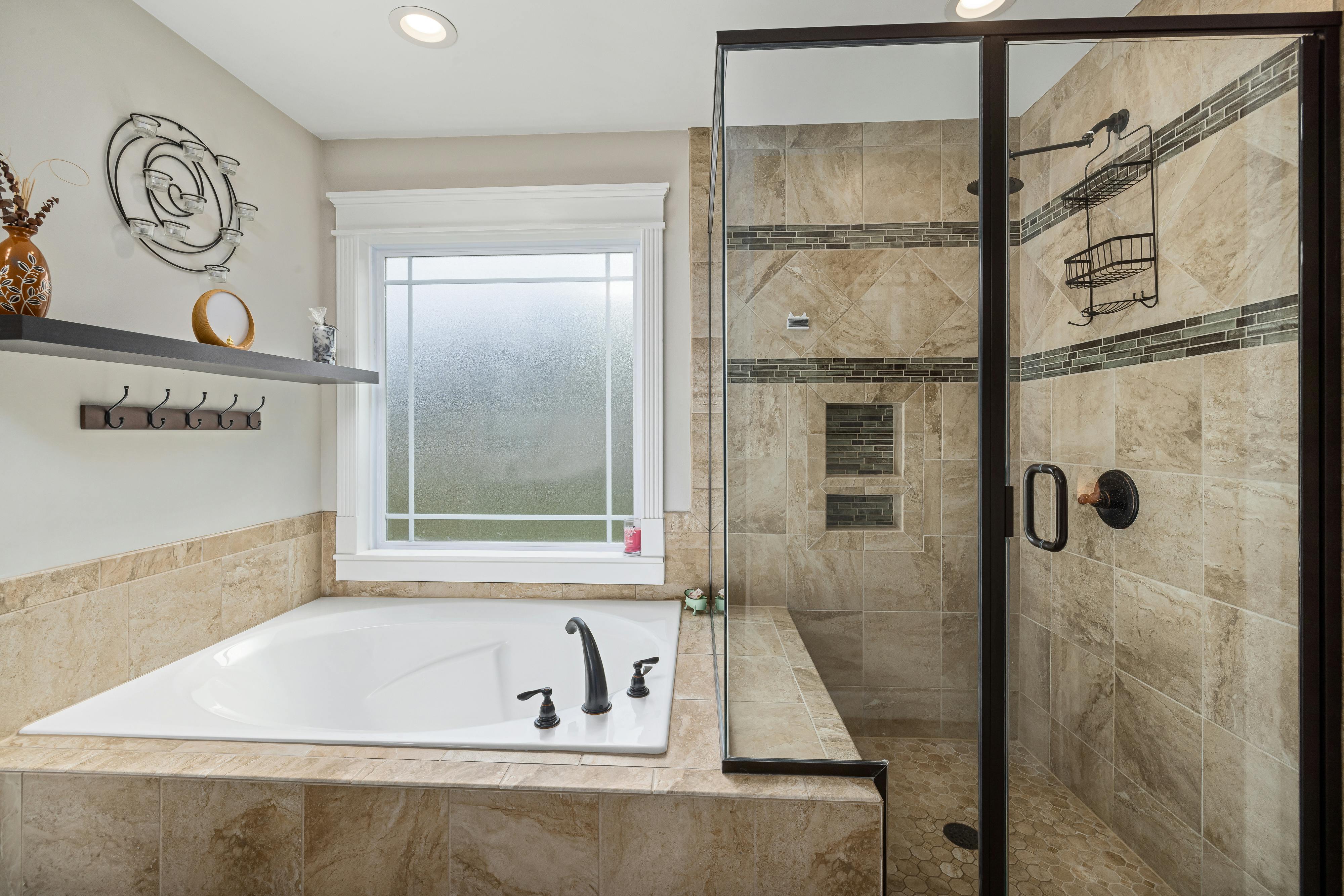
This Photo was taken by Curtis Adams.
Architectural integration strategies
The most impressive luxury bathroom transformations seamlessly integrate steam and hydrotherapy features into the home’s existing architectural language. This requires careful planning of sight lines, circulation patterns, and mechanical systems that support the enhanced functionality without compromising design integrity.
Successful projects often feature glass enclosures that maintain visual connection between the steam area and the broader bathroom space. Frameless glass systems with specialized coatings resist mineral buildup and maintain crystal clarity even in high-humidity conditions.
Ceiling design plays a crucial role in steam management. Sloped ceiling sections direct condensation toward discrete drainage channels, while recessed lighting fixtures use sealed, marine-grade components that withstand moisture exposure. Some designers incorporate fiber optic lighting systems that create starfield effects without introducing electrical components into the steam environment.
The integration often extends beyond the bathroom itself, with wellness themes carried into adjacent spaces. Projects might include meditation alcoves with biophilic design elements that complement the spa bathroom’s restorative atmosphere.
Ventilation and moisture management
Proper ventilation design prevents the moisture-related problems that can plague luxury bathroom installations. High-capacity exhaust fans, often exceeding 150 CFM capacity, remove excess humidity while maintaining comfortable air circulation.
Advanced systems include heat recovery ventilators that capture the thermal energy from exhausted air, using it to preheat incoming fresh air. This approach maintains indoor air quality while minimizing energy costs associated with conditioning replacement air.
Designers specify marine-grade exhaust fans with sealed motors and corrosion-resistant housings. These components operate quietly while providing the substantial air movement necessary for moisture control in steam environments.
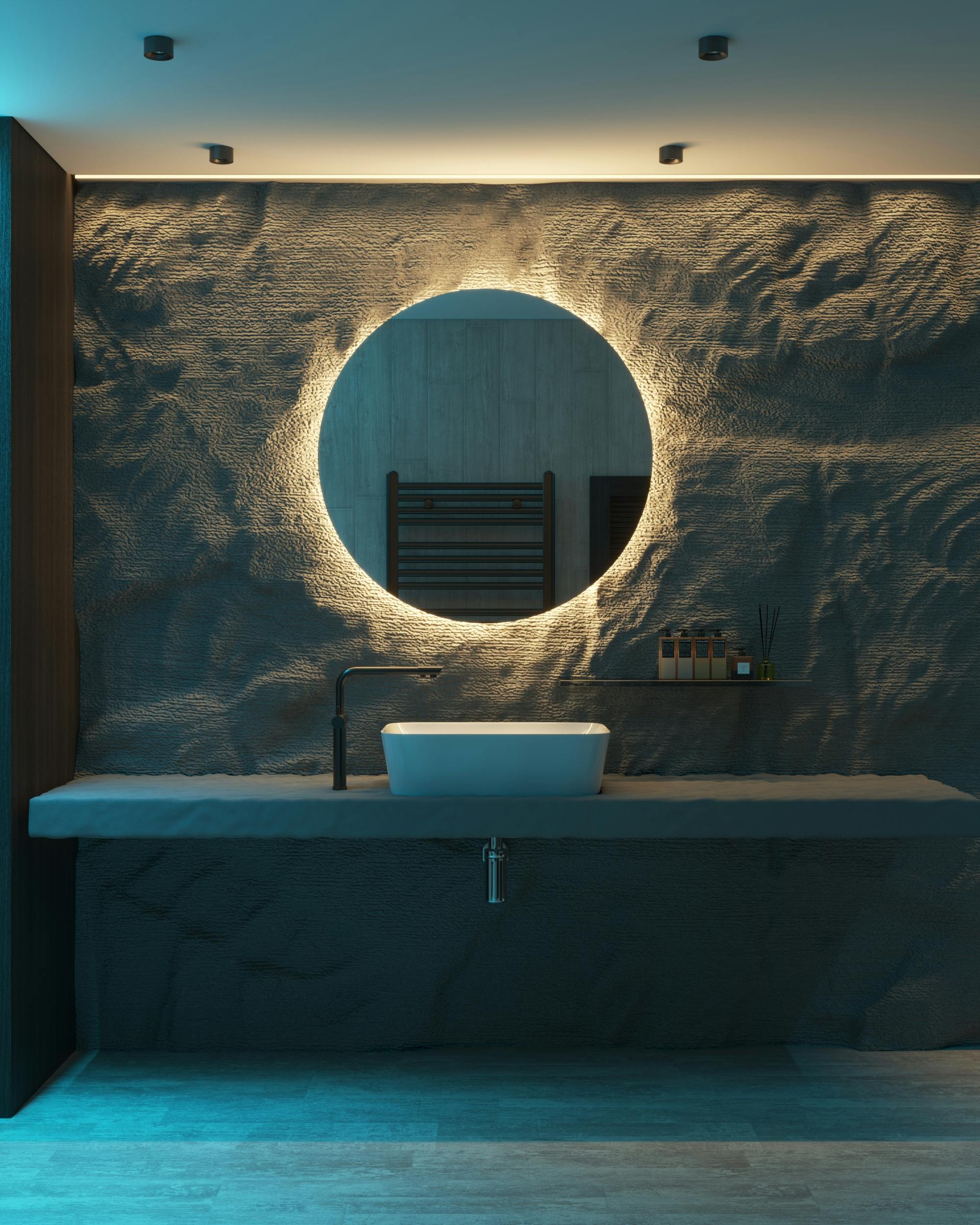
This Photo was taken by Bilal Mansuri.
Smart technology and wellness monitoring
The integration of smart technology transforms luxury spa bathrooms from passive spaces into active wellness partners. Advanced monitoring systems track usage patterns, energy consumption, and maintenance requirements while providing unprecedented control over the bathing experience.
Chromotherapy systems use LED lighting to deliver color therapy treatments that support circadian rhythm regulation and mood enhancement. These systems can automatically adjust lighting color and intensity based on time of day, creating energizing blue-white light for morning routines and relaxing amber tones for evening rituals.
Aromatherapy dispensing systems allow for precise control of essential oil delivery through the steam system. Users can create custom scent profiles for different moods or therapeutic goals, with the system automatically delivering the appropriate aromatherapy blend based on programmed preferences.
The technology integration extends to water quality monitoring, with systems that track and adjust mineral content, pH levels, and temperature to optimize the therapeutic benefits of hydrotherapy treatments. Some installations include UV sterilization systems that ensure water purity without harsh chemical treatments.
Similar to executive office spaces with integrated smart technology, these bathroom environments become responsive to user needs and preferences.

This Photo was taken by Alan Quirván.
Hydrotherapy feature integration
Beyond steam delivery, luxury spa bathrooms incorporate multiple hydrotherapy modalities that address different wellness objectives. Contrast therapy installations feature both steam heat and cold plunge elements, allowing users to experience the cardiovascular and immune system benefits of alternating temperature exposure.
Rainfall shower systems with multiple shower heads provide full-body hydrotherapy experiences. These installations often feature overhead rain showerheads exceeding 16 inches in diameter, combined with body spray systems that deliver targeted massage therapy.
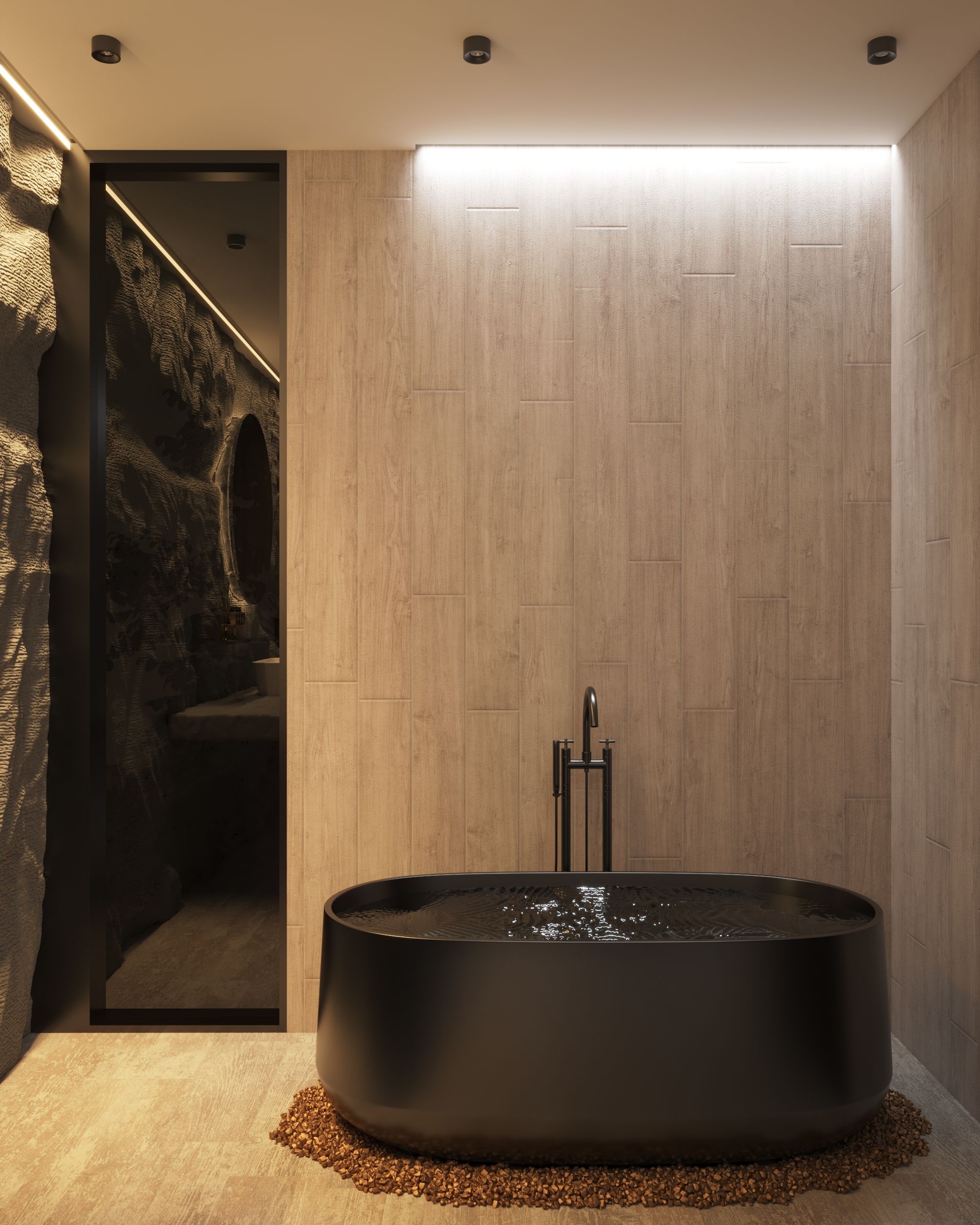
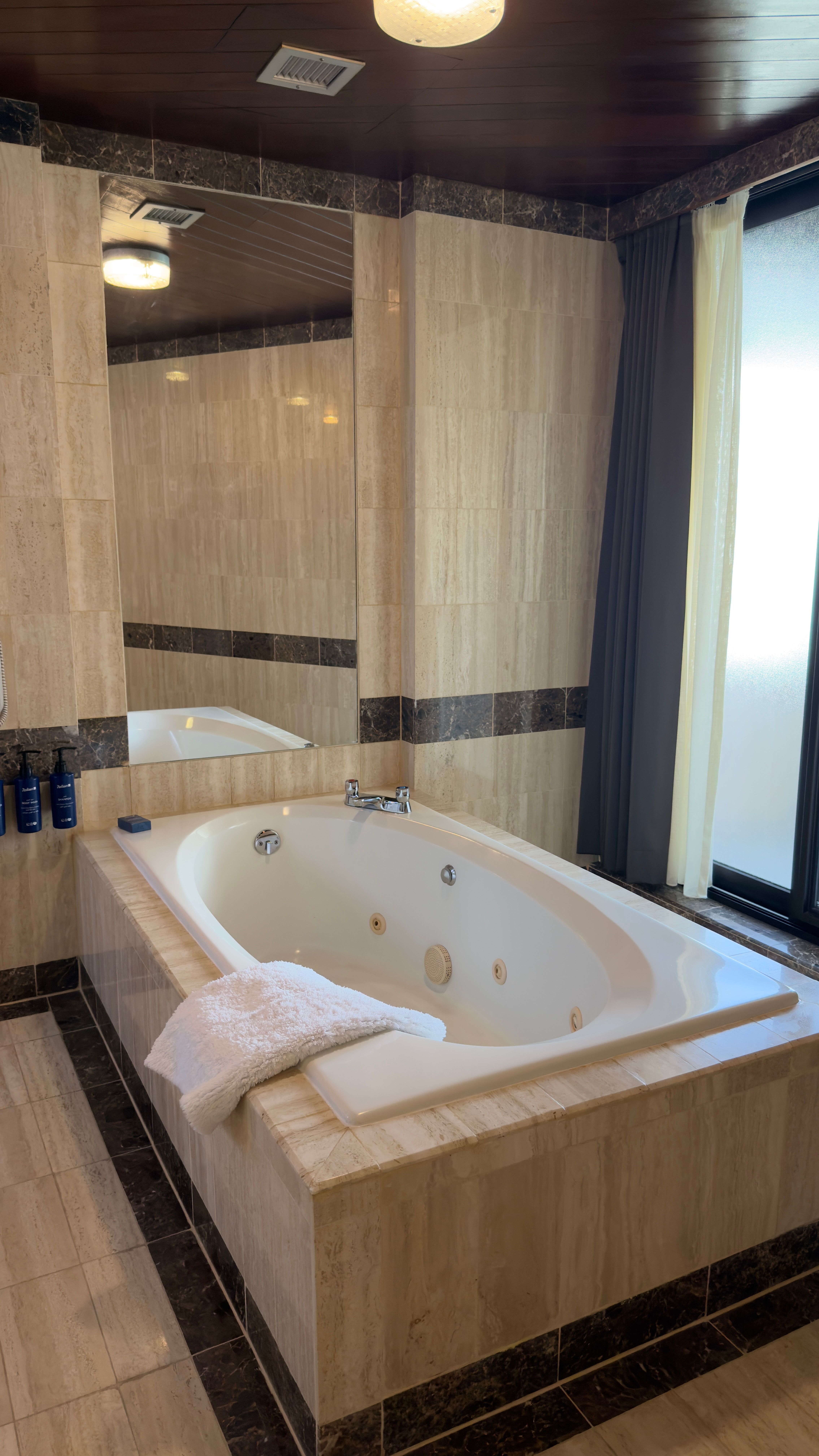
Soaking tubs designed for hydrotherapy feature precise temperature control and therapeutic jet systems. Air bath technology creates millions of tiny bubbles that provide gentle massage therapy, while whirlpool systems offer more intensive muscle therapy through targeted water jets.
The most sophisticated installations include vitality pools – small plunge pools that can be heated or chilled for contrast therapy. These features require significant structural support and waterproofing but provide unparalleled therapeutic benefits.
Water delivery and filtration systems
High-end hydrotherapy installations require water delivery systems that exceed typical residential standards. High-capacity water heaters, often tankless systems with multiple units, ensure unlimited hot water availability for extended therapy sessions.
Water filtration systems remove chlorine, minerals, and other impurities that can irritate skin and respiratory systems. Multi-stage filtration including carbon filtration, reverse osmosis, and UV sterilization creates spa-quality water that enhances the therapeutic benefits of hydrotherapy treatments.
Pressure balancing systems maintain consistent water pressure even when multiple hydrotherapy features operate simultaneously. These systems prevent the uncomfortable temperature fluctuations that can occur when water demand exceeds supply capacity.
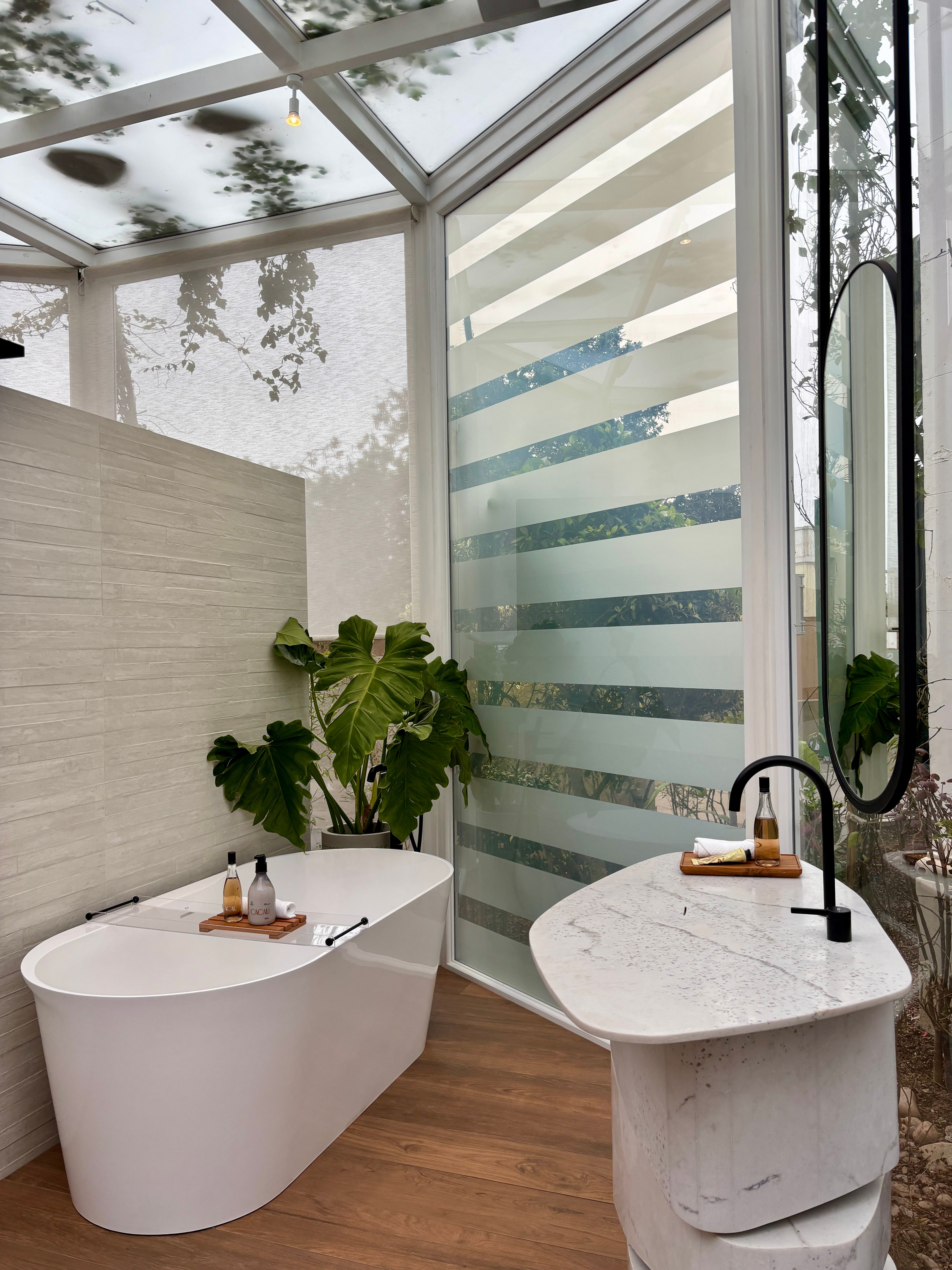
This Photo was taken by Jaime Joel Vargas Huacre.
Project planning and execution timelines
Luxury spa bathroom transformations require careful project planning that accounts for the complex coordination between multiple building trades and specialized systems. Typical projects span 12-16 weeks from demolition to completion, with careful sequencing to ensure proper installation of waterproofing, mechanical systems, and finish materials.
The planning phase includes detailed engineering analysis of structural requirements for heavy stone materials and water features. Load calculations ensure that floor systems can support the weight of natural stone installations and filled soaking tubs without compromising structural integrity.
Permit requirements vary by jurisdiction but often include electrical, plumbing, and mechanical permits for the specialized systems involved. Early coordination with building officials helps identify potential code requirements that might affect design decisions.
Budget planning for these transformations typically ranges from $150,000 to $500,000 depending on the scope of structural modifications and the level of technology integration. The investment reflects not just luxury amenities but sophisticated engineering and craftsmanship that ensures decades of reliable performance.
Like other high-end home transformation projects, such as security command centers or private cinema installations, these bathroom projects require specialized expertise and careful coordination.
Quality control and testing protocols
Professional installations include comprehensive testing protocols that verify system performance before final completion. Steam system testing includes temperature accuracy verification, leak testing of all connections, and operational testing of safety systems and automatic shutoffs.
Waterproofing integrity testing uses specialized equipment to detect potential leak points before finish materials are installed. This testing prevents costly repairs that would require demolition of completed work.
Final commissioning includes user training on all system operations, maintenance requirements, and troubleshooting procedures. Professional installation teams provide comprehensive documentation and warranty coverage for both materials and labor.
This Photo was taken by Misbaa eri.
Maintenance and longevity considerations
Luxury spa bathroom installations require ongoing maintenance protocols that preserve both performance and appearance over decades of use. Regular maintenance includes monthly cleaning of steam generator systems, quarterly inspection of waterproofing seals, and annual professional system servicing.
Natural stone maintenance involves periodic resealing with products specifically designed for steam environments. Professional stone care services typically recommend annual treatment for honed surfaces and bi-annual treatment for polished installations.
Technology systems require regular software updates and calibration to maintain optimal performance. Smart system manufacturers typically provide remote monitoring services that identify potential issues before they affect system operation.
Water quality maintenance includes regular filter replacement and system flushing to prevent mineral buildup. Professional maintenance contracts often include these services along with comprehensive system inspection and adjustment.
The comprehensive approach to maintenance ensures that these significant investments continue providing value and performance for decades, similar to the long-term planning required for climate-controlled wine cellars and other specialized home environments.
This Photo was taken by Harsh & Leena Bansal.
Frequently asked questions about luxury spa bathroom transformations
What is the typical energy consumption of a luxury steam shower system?
Modern thermostatic steam systems typically consume 6-12 kW during operation, similar to running a small electric heater. Advanced systems with heat recovery and efficient insulation can reduce energy consumption by up to 40% compared to standard installations. Monthly operating costs generally range from $25-75 depending on local utility rates and usage frequency.
How do I know if my home’s structure can support a luxury bathroom transformation?
Professional structural evaluation is essential before beginning any major bathroom renovation. Most homes can accommodate luxury spa features with appropriate reinforcement, but factors like floor joist spacing, foundation type, and existing plumbing location affect feasibility. A structural engineer can provide definitive guidance based on your specific situation and design goals.
What maintenance is required for natural stone in steam environments?
Natural stone in steam environments requires monthly cleaning with pH-neutral stone cleaners and annual professional resealing. Avoid acidic cleaners that can damage stone surfaces, and immediately address any staining or etching. Professional maintenance typically costs $200-500 annually and significantly extends the stone’s appearance and durability.
Can luxury spa bathroom features be added to existing homes?
Yes, most existing homes can accommodate luxury spa features with proper planning and structural modifications. The key factors are adequate electrical capacity (often requiring panel upgrades), proper drainage for steam systems, and structural support for heavy materials. Professional assessment helps determine the most effective approach for your specific situation.
How long do luxury bathroom renovations typically take?
Complete luxury spa bathroom transformations typically require 12-16 weeks from demolition to completion. This timeline includes structural modifications, mechanical system installation, waterproofing, stone installation, and final commissioning. Complex projects with extensive structural changes may require additional time for proper execution.
What is the return on investment for luxury bathroom renovations?
According to Remodeling Magazine’s 2025 Cost vs. Value report, luxury bathroom renovations typically recoup 60-75% of their cost in increased home value. Beyond financial returns, owners report significant improvements in daily wellness and quality of life. The investment often pays dividends through reduced stress and improved personal wellness routines.
This Photo was taken by Hongyue Stone-Jon Lee.
Creating your personal wellness sanctuary
The transformation of your master bathroom into a resort-style wellness sanctuary represents more than just a home improvement project – it’s an investment in daily wellness that pays dividends for decades. The integration of thermostatic steam systems with carefully selected natural stone creates environments that actively support physical and mental restoration.
The key to success lies in understanding that these spaces must function as complete wellness ecosystems. Every element, from the precision of temperature control to the tactile comfort of honed stone surfaces, contributes to the overall therapeutic experience. When properly executed, these installations provide a private retreat that rivals the world’s finest destination spas.
The technology and craftsmanship available in 2025 make it possible to create deeply personal wellness experiences that adapt to your specific needs and preferences. Smart systems learn your routines and preferences, while durable materials maintain their beauty and performance through years of regular use. The result is a space that becomes more valuable over time, both functionally and emotionally.
Professional design and installation ensure that your investment delivers lasting value and performance. The complexity of these projects demands expertise in multiple disciplines, from mechanical engineering to stone craftsmanship. When you partner with experienced professionals who understand both the technical requirements and the wellness objectives, you create a space that truly transforms your daily experience and long-term quality of life.