The modern luxury homeowner faces a paradox: despite having access to every conceivable amenity, true mental sanctuary remains elusive. In a world where even our most private spaces buzz with notifications and digital distractions, finding authentic peace requires intentional architectural design. This challenge has sparked a revolutionary approach among visionary designers who are creating monastery-inspired meditation pavilions that transcend traditional wellness spaces. These aren’t simply quiet rooms with cushions, but sophisticated sanctuaries that integrate smart biophilic sound architecture and climate-controlled aromatherapy systems to create profound mindfulness experiences.
The transformation of private meditation spaces represents a fundamental shift in how we understand luxury living. By combining ancient contemplative principles with cutting-edge environmental technology, today’s designers are crafting spaces that actively support mental clarity and spiritual growth through every sensory detail.
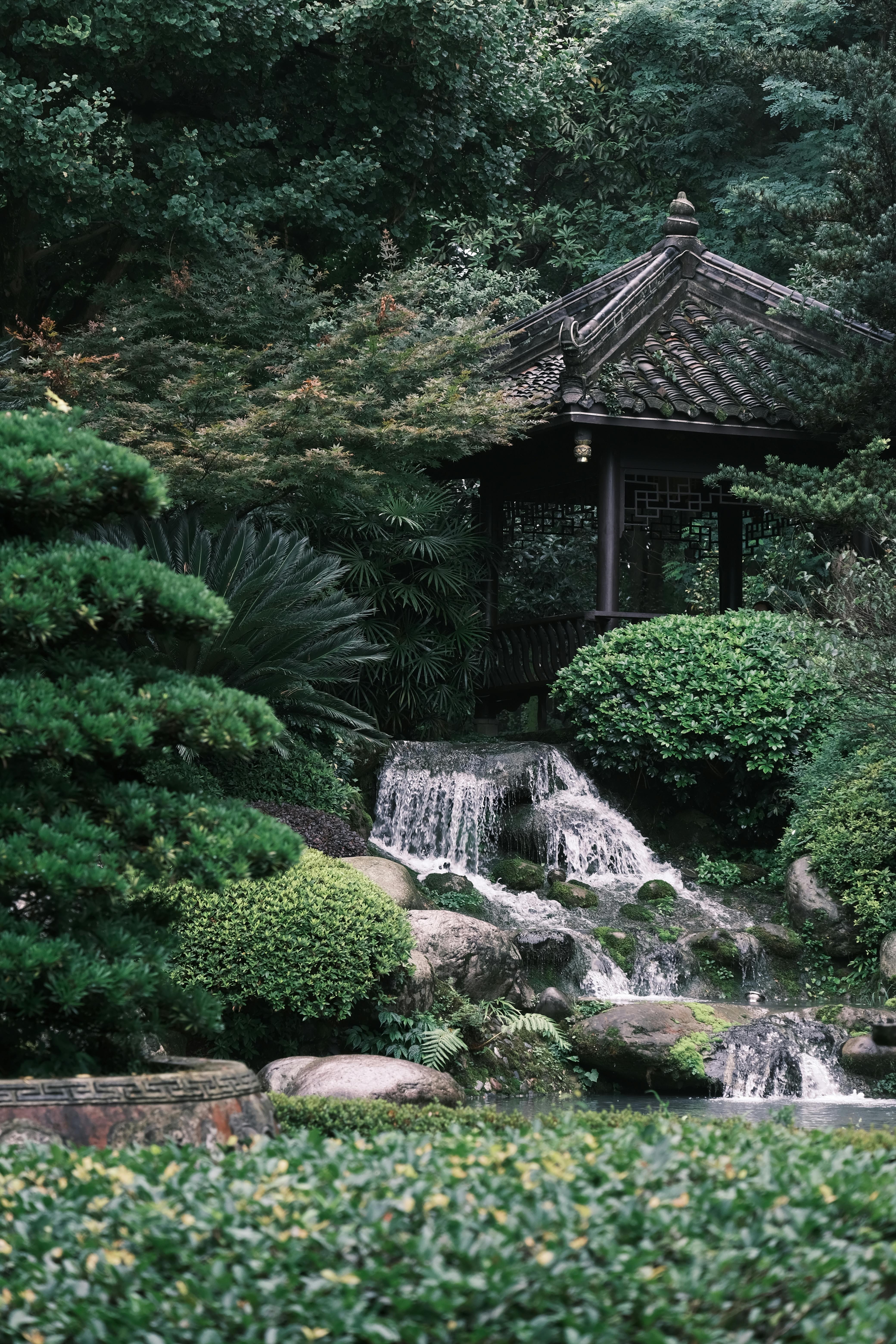
This Photo was taken by Lily Lili.
The monastery blueprint: ancient wisdom meets modern innovation
Monastery architecture has perfected the art of contemplative space design over centuries, and today’s luxury meditation pavilions draw deeply from these time-tested principles. The key lies in understanding how monks created environments that naturally encourage inward focus and mental stillness.
Traditional monastery design emphasizes spatial proportion, natural light flow, and acoustic isolation. These elements work together to create what architectural psychologists call “contemplative resonance” – a phenomenon where the physical environment actively supports meditative states. Modern designers are now applying these principles while integrating advanced technology to amplify their effectiveness.
The most successful contemporary meditation pavilions incorporate the monastery’s essential design DNA: asymmetrical balance that prevents visual restlessness, carefully controlled sightlines that guide attention inward, and material choices that age gracefully while maintaining their calming properties. Biophilic acoustic architecture principles play a crucial role in creating these transformative spaces.
Sacred geometry in modern meditation design
The mathematical principles that govern monastery construction – particularly the use of golden ratio proportions and sacred geometric forms – create subconscious harmony that supports meditative states. Contemporary designers are incorporating these ratios into everything from room dimensions to window placement, creating spaces that feel inherently peaceful without obvious explanation.
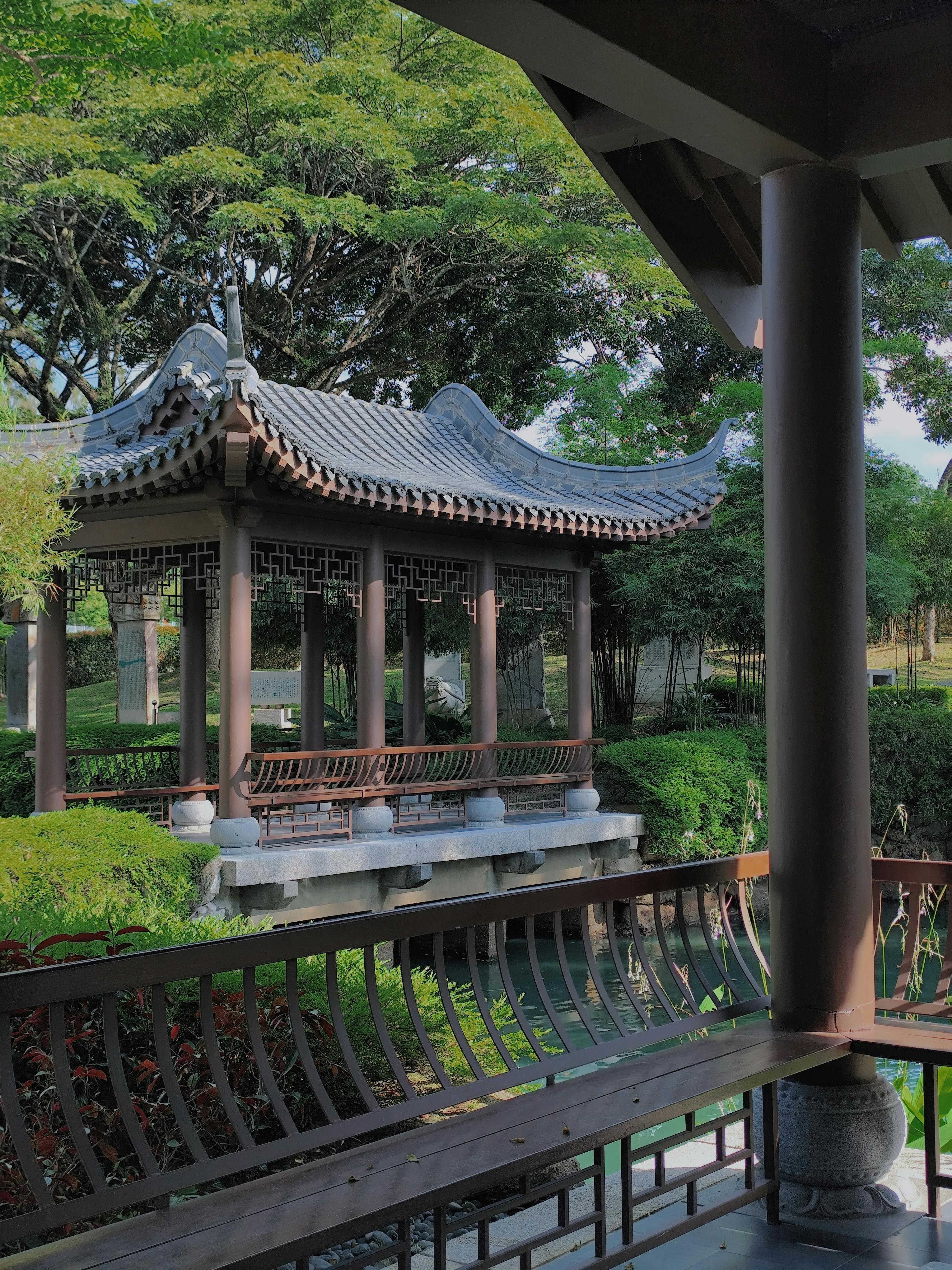
This Photo was taken by Toh Yu Xuan.
Smart biophilic sound architecture: engineering silence
The revolution in meditation pavilion design centers on smart biophilic sound architecture – an advanced approach that goes far beyond simple soundproofing. This technology creates dynamic acoustic environments that adapt to support different meditation practices while incorporating natural sound elements that enhance focus and relaxation.
Biophilic sound architecture integrates three key components: active noise cancellation systems, natural sound generation, and adaptive acoustic response. The system continuously monitors ambient noise levels and automatically adjusts its response to maintain optimal conditions for meditation. During morning sessions, it might emphasize gentle bird songs and flowing water sounds, while evening practices benefit from deeper, more grounding earth tones.
The technology employs strategically placed transducers that create sound zones within the pavilion. This allows different areas to support various meditation styles simultaneously – from silent Zen practice to guided visualization sessions. The system learns from user preferences and biometric feedback, gradually optimizing its acoustic profile for each individual’s meditation journey.
| Sound Architecture Feature | Traditional Approach | Smart Biophilic System | Meditation Benefit |
|---|---|---|---|
| Noise Reduction | Passive insulation | Active cancellation + adaptation | Eliminates distractions dynamically |
| Natural Sounds | Recorded audio loops | Generative soundscapes | Prevents habituation, maintains engagement |
| Acoustic Zones | Single environment | Multiple adaptive zones | Supports varied practices simultaneously |
| User Adaptation | Manual control | Biometric-driven optimization | Automatically enhances effectiveness |
The neuroscience of contemplative acoustics
Research from the Center for Contemplative Studies shows that specific sound frequencies can induce measurable changes in brainwave patterns associated with deep meditation states. Smart biophilic systems leverage this research by incorporating frequency generators that produce these beneficial sound waves at subliminal levels, creating an acoustic foundation that supports deeper practice without conscious awareness.
This Photo was taken by Ali Eren Akkaya.
Climate-controlled aromatherapy: precision wellness through scent
The integration of climate-controlled aromatherapy systems represents a quantum leap in meditation pavilion sophistication. These systems go beyond simple diffusers to create precisely controlled olfactory environments that support different meditation practices and respond to physiological indicators of stress and relaxation.
Advanced aromatherapy systems employ microdispersion technology that releases therapeutic compounds at optimal concentrations while maintaining perfect climate control. The system can create distinct scent zones within the pavilion, allowing for progression through different aromatic environments during extended meditation sessions. Morning practices might begin with energizing citrus blends that gradually transition to grounding sandalwood as the session deepens.
The technology integrates with biometric monitoring to adjust aromatherapy delivery based on heart rate variability, skin conductance, and breathing patterns. When sensors detect elevated stress indicators, the system automatically increases the concentration of calming compounds like lavender or bergamot. As relaxation deepens, it transitions to scents that support mental clarity and spiritual awareness.

This Photo was taken by JUNLIN ZOU.
Personalized scent profiling for deeper practice
Each user’s aromatherapy profile is developed through initial assessment sessions that measure physiological responses to different scent combinations. The system creates a personalized olfactory map that identifies which compounds most effectively support that individual’s meditation practice. This profile evolves over time, adapting to changes in stress levels, health status, and meditation goals.
The climate control aspect maintains optimal temperature and humidity levels for both human comfort and essential oil efficacy. The system understands that certain therapeutic compounds are most effective within specific environmental parameters and automatically adjusts conditions to maximize aromatherapy benefits.
Architectural elements that transform space into sanctuary
The physical architecture of modern meditation pavilions employs specific design strategies that create immediate psychological shifts from everyday consciousness to contemplative awareness. These elements work synergistically to establish what designers call “threshold consciousness” – the mental transition that occurs when entering a truly sacred space.
Natural light management forms the foundation of contemplative architecture. Advanced systems track solar movement and automatically adjust interior lighting to maintain consistent, soft illumination that supports meditation practice throughout the day. Smart glass technology allows for instant privacy control while preserving connection to natural environments. The lighting system can simulate dawn and dusk conditions to support circadian rhythm alignment, particularly beneficial for early morning or late evening practice sessions.
Water elements provide both visual and auditory grounding, with integrated systems that can adjust flow rates and patterns to match meditation intensity. Gentle trickling sounds support beginning practitioners, while more advanced meditators might prefer the deeper resonance of larger water features. The system learns individual preferences and automatically adjusts water elements based on session type and duration.

This Photo was taken by BI ravencrow.
Material selection for contemplative resonance
The choice of materials profoundly impacts the meditative quality of a space. Premium meditation pavilions employ materials that age beautifully while maintaining their calming properties. Natural stone, aged wood, and hand-finished metals create tactile experiences that ground practitioners in physical reality while supporting transcendent states.
These materials are selected not only for their aesthetic qualities but for their acoustic and thermal properties. Stone selections might emphasize varieties that naturally regulate humidity, while wood choices focus on species that produce beneficial negative ions. Even metal fixtures are chosen for their harmonic resonance properties when touched or when air moves across their surfaces.
Technology integration without technological intrusion
The most sophisticated meditation pavilions achieve seamless technology integration where advanced systems operate invisibly in the background. The goal is creating spaces where technology enhances the contemplative experience without drawing attention to itself or creating dependency.
Control systems employ intuitive interfaces that can be operated through simple gestures, voice commands, or even biometric triggers. Advanced pavilions can recognize individual users as they enter and automatically adjust all environmental parameters to their preferred settings without any conscious interaction. This allows practitioners to move immediately into meditative states without technological distraction.
The integration extends to smart sleep technology principles that monitor meditation depth and automatically optimize environmental conditions to support deeper states of consciousness. Sensors track breathing patterns, heart rate variability, and even brain activity to provide real-time environmental adjustments that enhance practice effectiveness.
This Photo was taken by YL Lew.
Biometric-responsive environment optimization
Advanced meditation pavilions employ sophisticated biometric monitoring that tracks multiple physiological indicators simultaneously. This data drives real-time environmental adjustments that support deeper meditative states. The system might detect elevated cortisol levels and automatically adjust lighting to warmer tones while increasing the concentration of stress-reducing aromatherapy compounds.
The monitoring extends beyond individual sessions to track long-term practice development. The system builds comprehensive wellness profiles that identify patterns in meditation effectiveness and environmental preferences, gradually optimizing the space to support each practitioner’s evolving spiritual journey.
Creating zones for different contemplative practices
Modern meditation pavilions recognize that different contemplative practices benefit from distinct environmental conditions. Advanced designs create multiple zones within a single space, each optimized for specific meditation styles while maintaining overall architectural coherence.
Active meditation zones might emphasize slightly brighter lighting and more dynamic sound elements to support movement-based practices like walking meditation or tai chi. Silent meditation areas feature deeper acoustic isolation and more neutral environmental conditions that don’t compete with internal awareness. Guided meditation zones integrate advanced audio systems with spatial acoustics that create immersive soundscapes for visualization practices.
The zoning extends to furniture and floor treatments. Some areas might feature traditional meditation cushions and raised platforms, while others incorporate ergonomic seating designed for longer sessions. Floor heating systems can create temperature variations that naturally guide practitioners toward appropriate zones for their intended practice.

This Photo was taken by Vladislovas Sketerskis.
Seasonal adaptation for year-round practice
The most sophisticated meditation pavilions adapt their environmental conditions to support practice throughout changing seasons. Winter settings might emphasize warmer lighting tones and grounding aromatherapy blends, while summer configurations feature cooler color temperatures and energizing scent profiles. These adaptations happen gradually and automatically, supporting practitioners’ natural rhythms without conscious adjustment.
Integration with climate-controlled greenhouse architecture principles allows some pavilions to incorporate living plant elements that change throughout the year, providing natural seasonal cues that support deeper connection with natural cycles.
The designer’s vision: case studies in transformational architecture
Leading meditation pavilion designers are pushing the boundaries of what’s possible when ancient wisdom meets modern technology. These visionaries understand that creating truly transformational spaces requires deep knowledge of both contemplative practices and cutting-edge environmental systems.
Designer Marina Chen’s recent project in Marin County exemplifies this integration. Her 800-square-foot pavilion features a smart biophilic sound system that creates different acoustic environments in response to seasonal changes and individual biometric data. The space includes a central meditation hall with adaptive lighting that mimics natural circadian rhythms, surrounded by smaller alcoves designed for specific practices.
The aromatherapy system in Chen’s design employs locally sourced botanicals that change seasonally, creating what she calls “olfactory place-making” that connects practitioners with their immediate natural environment. Advanced HVAC systems maintain perfect air quality while distributing therapeutic compounds at precisely controlled concentrations.
This Photo was taken by Toh Yu Xuan.
Budget considerations and investment returns
Premium meditation pavilion transformations typically range from $150,000 to $500,000 depending on size, technology integration, and architectural complexity. However, the investment extends beyond personal wellness to significant property value enhancement. Real estate professionals report that sophisticated wellness amenities can add 15-25% to luxury property values, with meditation pavilions being particularly sought after by high-net-worth buyers.
The technology costs represent approximately 30-40% of the total project budget, with smart environmental systems requiring ongoing maintenance and periodic updates. However, the energy efficiency of modern systems often results in net positive returns through reduced HVAC and lighting costs over the pavilion’s lifetime.
Integration with broader home wellness ecosystems
Modern meditation pavilions don’t exist in isolation but integrate seamlessly with comprehensive home wellness systems. These connections create synergistic effects that amplify the benefits of dedicated contemplative practice while supporting overall lifestyle wellness.
Integration with luxury spa and wellness retreat systems allows for comprehensive wellness programming that moves seamlessly from active fitness to restorative meditation. Shared environmental systems can coordinate lighting, air quality, and aromatherapy across multiple wellness spaces, creating coherent wellness experiences throughout the home.
Smart home integration allows meditation pavilions to communicate with other home systems, automatically preparing the space for planned meditation sessions by pre-adjusting environmental conditions and minimizing household distractions. The system might coordinate with professional-grade kitchen systems to prepare appropriate post-meditation refreshments or with spa-inspired bathing sanctuaries to prepare therapeutic baths that complement meditation practice.
This Photo was taken by Ursula Gomez.
Data integration and wellness tracking
Advanced meditation pavilions integrate with comprehensive wellness tracking systems that monitor long-term practice effects on sleep quality, stress levels, and overall health markers. This data helps optimize environmental conditions over time while providing valuable insights into meditation practice effectiveness.
The integration extends to healthcare applications, with some systems designed to share relevant data with healthcare providers to support integrative wellness approaches. Privacy controls ensure that sensitive biometric and practice data remains secure while enabling beneficial medical insights.
Future innovations in contemplative architecture
The evolution of meditation pavilion design continues to accelerate, with emerging technologies promising even more sophisticated approaches to creating contemplative environments. Virtual and augmented reality integration will soon allow practitioners to experience different environmental settings while maintaining the benefits of their carefully optimized physical space.
Artificial intelligence systems are being developed that can predict optimal meditation conditions based on individual circadian rhythms, stress patterns, and spiritual development goals. These systems will eventually operate with such sophistication that they can support different family members’ practices simultaneously while maintaining individual optimization for each user.
Nanotechnology applications in materials science will create surfaces that can change their texture, temperature, and even color in response to environmental conditions or user preferences. Smart glass technology will advance to provide not just privacy control but active environmental sensing and response capabilities.
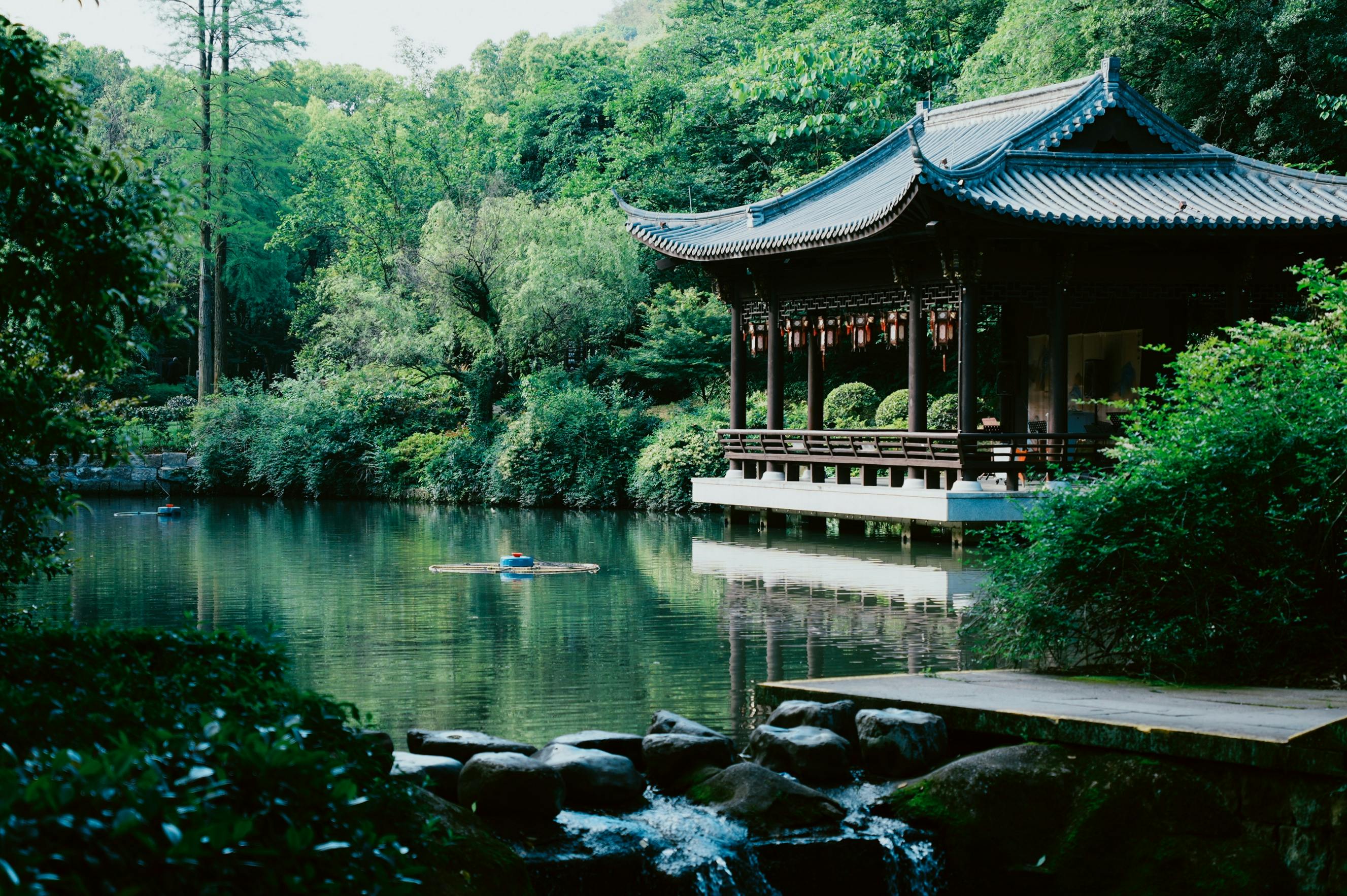
This Photo was taken by pp zhu.
Sustainability and regenerative design principles
Future meditation pavilions will incorporate regenerative design principles that go beyond sustainability to actively improve their environmental impact. Bio-responsive materials will purify air and water while supporting human wellness. Energy systems will generate more power than they consume, contributing to household energy independence.
These pavilions will serve as models for regenerative architecture that supports both human consciousness development and environmental healing. The integration of hydroponic vertical garden architecture will create living environments that produce fresh air and therapeutic botanicals while supporting contemplative practices.
Frequently asked questions about luxury meditation pavilion design
How much space is needed for an effective meditation pavilion?
Effective meditation pavilions can range from intimate 200-square-foot spaces to expansive 1,000+ square foot environments. The key is proper proportion and zoning rather than absolute size. Even smaller spaces can incorporate advanced environmental systems and create profound contemplative experiences when designed thoughtfully. Proper circulation planning ensures optimal flow and functionality regardless of size.
What maintenance requirements do smart environmental systems have?
Smart biophilic sound and aromatherapy systems require quarterly professional servicing to maintain optimal performance. This includes sensor calibration, essential oil system cleaning, and software updates. Annual comprehensive system evaluations ensure all components continue operating at peak efficiency. Most systems include predictive maintenance features that alert homeowners to service needs before issues arise.
Can meditation pavilions be retrofitted into existing homes?
Yes, many existing spaces can be transformed into sophisticated meditation pavilions. Basements, converted bedrooms, and even walk-in closet sanctuaries can accommodate advanced environmental systems with proper planning. The key is assessing existing electrical, HVAC, and structural systems to support technology integration while maintaining architectural integrity.
How do biometric monitoring systems ensure privacy?
Advanced meditation pavilion systems employ local data processing and encryption to protect sensitive biometric information. Data typically remains within the home network and is not transmitted to external servers unless explicitly authorized. Users maintain complete control over data sharing and can operate systems in offline modes that provide environmental optimization without data collection.
What energy consumption should be expected from advanced systems?
Modern smart environmental systems are designed for energy efficiency, typically consuming 15-25% less energy than traditional HVAC systems while providing superior environmental control. LED lighting systems and efficient aromatherapy diffusion technologies minimize power requirements. Many installations incorporate renewable energy sources that can offset system consumption entirely.
How do these systems adapt to multiple family members?
Advanced systems create individual user profiles that can be activated through biometric recognition, smartphone apps, or voice commands. The pavilion automatically adjusts all environmental parameters when different family members enter, accommodating varying preferences for lighting, aromatherapy, and acoustic conditions. Some systems can even support multiple users simultaneously by creating distinct environmental zones within the same space.
The transformation of consciousness through architectural intention
The evolution of luxury meditation pavilions represents more than technological advancement – it embodies a fundamental shift in how we understand the relationship between physical environment and consciousness development. These spaces demonstrate that when ancient contemplative wisdom merges with modern environmental technology, the result transcends both components to create something entirely new: architecture that actively participates in spiritual transformation.
The most profound aspect of these monastery-inspired sanctuaries lies not in their sophisticated systems but in their ability to create consistent conditions for deep inner work. By removing environmental variables and optimizing every sensory input, these pavilions eliminate the distractions that often prevent modern practitioners from accessing deeper meditative states. The technology becomes invisible, leaving practitioners free to explore the infinite landscapes of consciousness without external interference.
As we move into 2025 and beyond, these spaces will continue evolving, incorporating new understanding about consciousness, wellness, and environmental design. The visionary designers creating these sanctuaries are not just building rooms – they are crafting vessels for human transformation, spaces where the ancient human capacity for transcendence finds perfect expression through modern architectural artistry. For those ready to invest in their spiritual development with the same intention they bring to other aspects of luxury living, these pavilions offer an unparalleled opportunity to create lasting sanctuaries for the soul.