Picture walking into the Duke Humfrey’s Library at Oxford’s Bodleian, where centuries of scholarship whisper from ancient shelves beneath vaulted ceilings. Now imagine capturing that same intellectual gravitas and literary sanctuary feeling within your own home—but enhanced with cutting-edge technology that protects your precious volumes while seamlessly integrating digital archives. In 2025, visionary designers are revolutionizing private libraries by blending timeless Oxford aesthetics with sophisticated climate control systems, smart storage solutions, and preservation technology that would make museum curators envious. These aren’t just book rooms; they’re literary sanctuaries where rare first editions coexist with digital collections, where temperature and humidity are monitored to the degree, and where the romance of traditional scholarship meets the precision of modern conservation science.
When books become investments worth more than luxury cars
The rare book market has exploded, with first edition values increasing by 147% between 2020 and 2024, according to the Fine Book Collectors’ Index. A pristine copy of “To Kill a Mockingbird” now commands $15,000, while early Harry Potter first editions reach $90,000 at auction. These aren’t just books anymore—they’re appreciating assets that demand museum-level preservation.
This shift has fundamentally changed how designers approach private libraries. Traditional wood-paneled studies, while beautiful, often create environments hostile to paper preservation. Fluctuating temperatures, uncontrolled humidity, and UV exposure can destroy a valuable collection within decades. Smart homeowners are investing in climate-controlled conservation architecture that protects their literary investments while creating spaces worthy of Oxford’s most prestigious colleges.

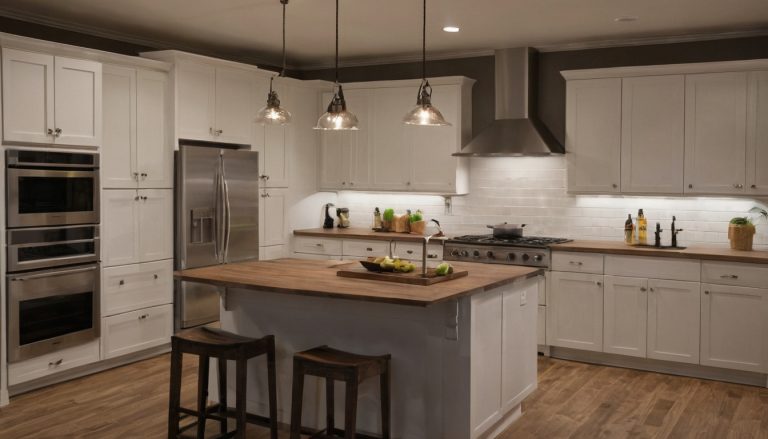
This Photo was taken by Josh Withers.
The Oxford blueprint: Translating centuries of design wisdom
Oxford University’s libraries didn’t become legendary by accident. Their enduring appeal stems from specific design principles that create both intellectual atmosphere and practical functionality. The key elements include soaring ceilings that suggest infinite possibility, rich wood tones that warm the space, strategic lighting that illuminates without damaging, and carefully proportioned alcoves that create intimate reading nooks within grand spaces.
Leading designers like Victoria Hagan and Steven Gambrel translate these principles into private homes by maintaining the essential proportions while integrating modern technology. The secret lies in hidden infrastructure—climate control systems concealed within traditional millwork, LED lighting systems that mimic natural daylight without UV damage, and digital catalog systems disguised as period furniture.
Architectural elements that define the Oxford aesthetic
The most successful private library transformations incorporate five essential Oxford-inspired elements. Coffered ceilings create visual interest while housing HVAC systems and LED strips that provide even, conservation-quality lighting. Floor-to-ceiling built-in bookcases with rolling library ladders maximize storage while maintaining the grand scale that makes these spaces feel significant rather than cramped.
Leaded glass windows with UV-filtering treatments preserve the traditional aesthetic while protecting books from harmful light exposure. Natural stone or hardwood floors with Persian or Oriental rugs define reading areas and add warmth without compromising climate control efficiency. Reading alcoves with built-in seating create intimate spaces for contemplation while housing hidden technology controls.
Smart architecture meets ancient wisdom
The most sophisticated private libraries now feature what designers call “invisible intelligence”—technology so seamlessly integrated it feels like magic. Advanced HVAC systems maintain precise temperature and humidity levels while remaining completely silent. Motion sensors adjust lighting automatically as you move through the space, and hidden speakers provide ambient sound or audio books without visible hardware.
Digital archive systems represent perhaps the most revolutionary advancement. These aren’t simple computer setups, but sophisticated networks that catalog physical books alongside digital collections, rare manuscripts, and personal documents. Voice-activated search systems let you locate any item in your collection instantly, while high-resolution scanning stations preserve fragile documents digitally.
| Technology Component | Function | Integration Method | Cost Range (2025) |
|---|---|---|---|
| Climate Control System | Maintains 65-70°F, 30-50% humidity | Hidden in millwork | $25,000-$45,000 |
| LED Lighting System | 2700K color temperature, no UV | Coffered ceiling integration | $15,000-$28,000 |
| Digital Archive Platform | Catalog and search capabilities | Concealed server room | $35,000-$75,000 |
| Security System | Motion detection, access control | Invisible sensors | $12,000-$22,000 |
Climate control that thinks ahead
The most advanced systems learn from environmental patterns and weather forecasts to preemptively adjust conditions. When humidity is predicted to spike, the system gradually reduces indoor moisture levels hours in advance. During dry winter months, humidification begins before static electricity can damage pages. These systems also zone the space—maintaining cooler temperatures in rare book areas while keeping reading spaces comfortable for human occupation.

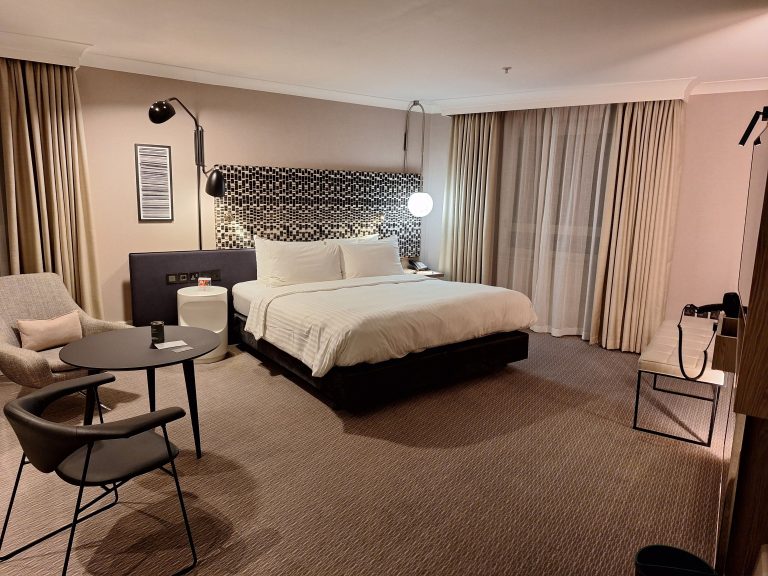
This Photo was taken by Max Vakhtbovych.
Digital archives that understand physical books
Modern digital archive systems go far beyond simple cataloging. Advanced platforms use artificial intelligence to recognize books through image scanning, automatically pulling publication data, condition assessments, and market valuations. Some systems integrate with auction houses and rare book dealers to track market trends for your specific collection.
The most sophisticated setups include conservation-grade scanning stations that create museum-quality digital copies of fragile items. These aren’t basic flatbed scanners, but specialized equipment that captures high-resolution images without damaging bindings. The resulting digital files become searchable text documents while preserving the visual character of original pages.
Integration with professional-grade acoustic systems allows these archives to include audio components—recorded lectures, author interviews, or dramatic readings—linked directly to specific books or subjects.
Preservation technology that rivals museums
Leading private libraries now employ conservation techniques previously reserved for institutions like the British Library or Smithsonian. Inert gas fire suppression systems protect collections without water damage risk. UV-filtering window films and specialized LED systems eliminate light damage while maintaining comfortable reading conditions. Air filtration systems remove pollutants and allergens that can cause paper degradation over time.
Some collectors invest in specialized storage areas that mimic rare book rooms at major universities. These climate-controlled chambers maintain precise conditions for first editions and manuscripts while allowing controlled access for reading and research. Automated retrieval systems can locate and deliver specific volumes without human handling, reducing wear on valuable bindings.
Case studies in literary transformation
A Manhattan penthouse transformation by Peter Pennoyer Architects demonstrates how Oxford principles translate to contemporary spaces. The 1,200-square-foot library features 14-foot ceilings with integrated climate control systems hidden within classical moldings. Custom millwork houses both first edition collections and state-of-the-art digital archives, while period-appropriate lighting provides optimal reading conditions without UV exposure.
In Beverly Hills, designer Mark Hampton created a library that rivals Oxford’s medieval halls while incorporating cutting-edge preservation technology. Hand-carved walnut bookcases conceal individual climate zones for different collection categories. Rare manuscripts enjoy museum-level protection while contemporary works remain easily accessible for daily reading.
The technology integration challenge
The most successful transformations solve the fundamental challenge of integrating 21st-century technology with timeless design. This requires collaboration between preservation specialists, technology experts, and traditional craftspeople. Custom millwork must accommodate hidden wiring, ventilation, and monitoring equipment while maintaining authentic proportions and details.
Like wine preservation sanctuaries, successful libraries balance preservation requirements with human comfort, creating spaces that protect collections while inviting daily use.
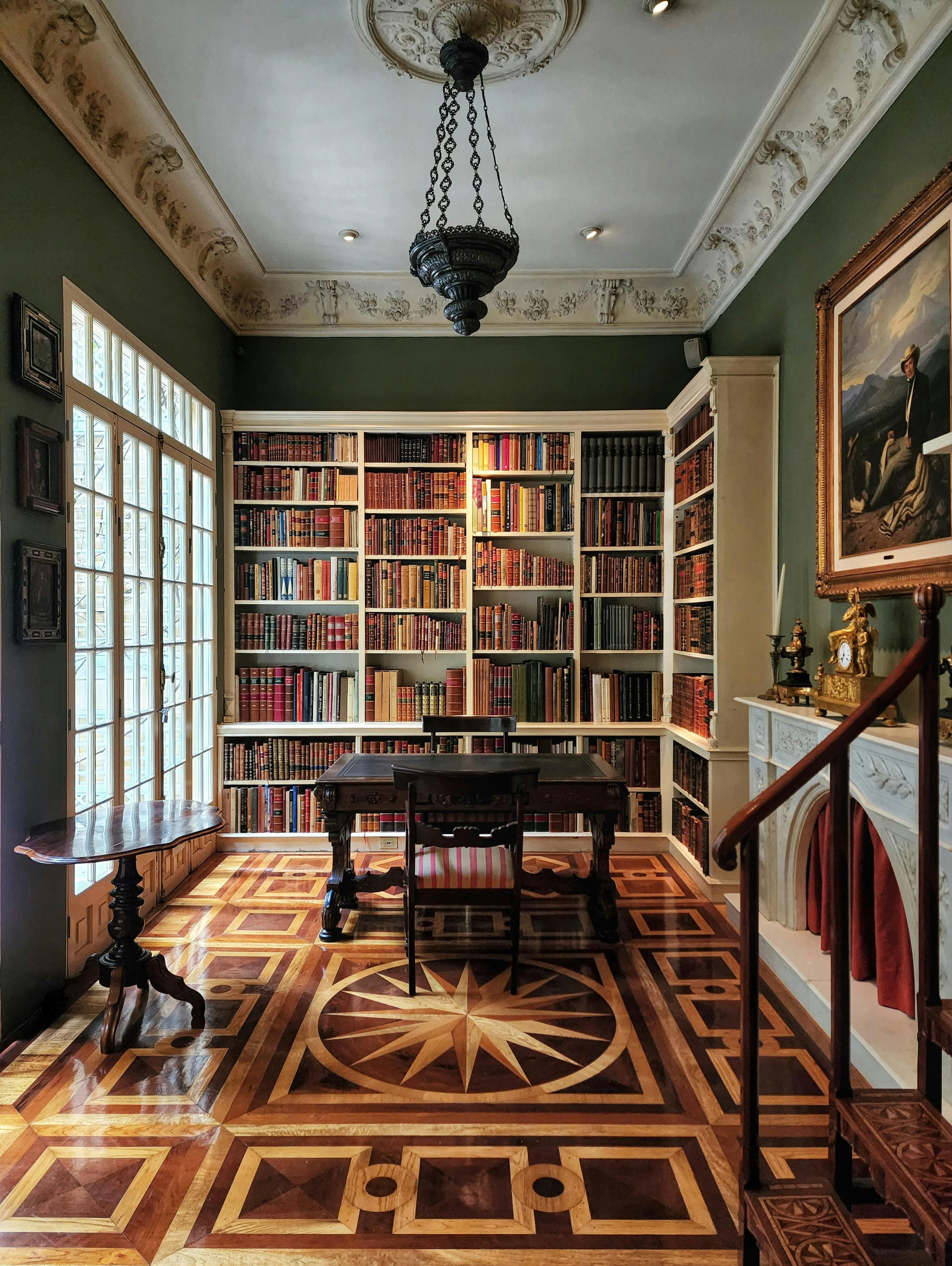
This Photo was taken by Elsa Puga.
Design principles that create lasting value
Successful private libraries follow specific design principles that ensure both immediate impact and long-term functionality. Scale remains paramount—ceilings should suggest grandeur while maintaining human proportions. Materials must balance aesthetic appeal with practical conservation requirements. Lighting systems should create atmosphere while meeting conservation standards for UV exposure and heat generation.
Storage solutions need flexibility for growing collections while maintaining visual harmony. The most successful designs incorporate modular shelving systems that appear custom-built but allow for future expansion or reconfiguration. Reading areas require multiple options—formal desks for research, comfortable seating for casual reading, and standing-height surfaces for manuscript examination.
Creating zones within the sanctuary
Effective private libraries create distinct zones for different activities and collection types. Active reading areas maintain comfortable temperatures and convenient access to frequently used volumes. Archival storage areas prioritize preservation over accessibility, with controlled access and specialized handling equipment. Research zones provide dedicated space for digital archive access, note-taking, and manuscript examination.
Transitional spaces between zones help maintain climate control while providing natural circulation patterns. These areas often house display cases for rotating exhibitions of prized pieces or themed collections. Integration with mindfulness sanctuary principles creates spaces that encourage deep reading and contemplation.
Investment strategies for literary sanctuaries
Creating an Oxford-quality private library requires significant investment, but the returns extend beyond financial considerations. Property values increase substantially when homes include professionally designed libraries with proper preservation systems. More importantly, these spaces become family legacy assets that protect and showcase valuable collections across generations.
Budget allocation typically follows the 40/30/30 rule: 40% for infrastructure (climate control, electrical, structural), 30% for millwork and built-ins, and 30% for technology systems and finishing touches. This distribution ensures adequate investment in hidden systems that protect collections while creating visually impressive spaces.
| Project Phase | Timeline | Key Considerations | Budget Allocation |
|---|---|---|---|
| Planning & Design | 3-4 months | Collection assessment, space programming | 8-12% of total budget |
| Infrastructure Installation | 6-8 weeks | HVAC, electrical, technology backbone | 35-40% of total budget |
| Millwork & Built-ins | 8-12 weeks | Custom shelving, architectural details | 25-30% of total budget |
| Technology Integration | 4-6 weeks | Digital systems, lighting, automation | 20-25% of total budget |
| Finishing & Furnishing | 3-4 weeks | Furniture, art, collection installation | 10-15% of total budget |
Selecting the right professional team
Successful library projects require specialized expertise that combines traditional design skills with conservation knowledge and technology integration capabilities. The team should include an architect experienced in residential libraries, a preservation consultant familiar with private collections, and technology specialists who understand archive systems and climate control.
Many projects benefit from consulting with rare book dealers or auction house experts who understand collection development and market trends. Similar to specialized performance sanctuary projects, these transformations require professionals who understand both technical requirements and the emotional aspects of creating inspiring spaces.
Technology trends shaping the future
Artificial intelligence increasingly drives archive management, with systems that can identify books through photos, predict conservation needs, and suggest collection development strategies. Augmented reality applications overlay digital information onto physical books, providing instant access to reviews, related works, and historical context without leaving your reading chair.
Blockchain technology enables secure digital provenance tracking for rare books and manuscripts, creating permanent ownership and condition records. Virtual reality systems allow immersive exploration of famous libraries worldwide, providing inspiration and educational content within private spaces.
Biometric integration with smart inventory management systems creates personalized reading recommendations based on collection analysis and reading patterns. Advanced environmental sensors predict conservation issues before they develop, automatically adjusting conditions and alerting preservation specialists when intervention is needed.
Sustainability meets preservation
Environmental consciousness increasingly influences library design decisions. Solar-powered climate control systems reduce operating costs while providing backup power for critical preservation functions. Smart glass windows adjust transparency and insulation properties automatically, maintaining optimal conditions while minimizing energy consumption.
Sustainable materials selection balances environmental responsibility with conservation requirements. Reclaimed wood from historic buildings provides authentic character while reducing environmental impact. Low-emission construction materials prevent off-gassing that can damage paper and bindings over time.
Common design challenges and solutions
Space constraints in existing homes often limit library transformation options. Creative solutions include vertical expansion into attic spaces, basement conversions with proper moisture control, or integration with multi-purpose underground sanctuaries that combine reading areas with other functions.
Structural limitations may prevent floor-to-ceiling bookcases or require creative solutions for heavy collection loads. Distributed storage systems spread weight across multiple areas while maintaining convenient access. Compact shelving systems maximize capacity in limited footprints without sacrificing the Oxford aesthetic.
Budget constraints require strategic prioritization of features and phased implementation approaches. Starting with essential preservation infrastructure allows immediate collection protection while building toward complete transformation over time. Modular technology systems enable upgrades and expansion as budgets and needs evolve.
Balancing tradition with innovation
The greatest design challenge involves integrating advanced technology while maintaining traditional Oxford atmosphere. Success requires concealing modern systems within period-appropriate details and ensuring that technology enhances rather than dominates the space experience.
Authentic materials and craftsmanship provide the foundation for believable Oxford-inspired design. Modern conveniences must feel natural and intuitive rather than obviously technological. The goal is creating spaces where 18th-century scholars would feel comfortable while enjoying 21st-century conveniences.
Frequently asked questions
What climate conditions are optimal for rare book preservation?
Maintain temperature between 65-70°F with relative humidity of 30-50%. Avoid fluctuations greater than 5°F or 5% humidity within 24-hour periods. Install UV-filtering on all windows and use LED lighting with color temperature of 2700-3000K to prevent paper degradation.
How much space is needed for a proper private library?
Minimum 200 square feet allows for basic library functionality with built-in shelving and reading area. Optimal size ranges from 400-800 square feet, providing space for specialized storage zones, multiple reading areas, and proper circulation. Ceiling height of 10-14 feet creates appropriate scale and accommodates rolling ladders.
What technology features provide the best return on investment?
Climate control systems protect collection value most effectively, followed by digital cataloging systems that improve accessibility. LED lighting systems reduce long-term operating costs while protecting books. Security systems with environmental monitoring provide peace of mind and insurance benefits.
How long does a complete library transformation typically take?
Plan for 6-9 months from initial design to completion. Complex projects with extensive millwork or structural modifications may require 12-15 months. Technology integration adds 4-6 weeks to the timeline but can often overlap with finishing work.
Can existing rooms be converted into proper libraries?
Most rooms can accommodate library conversion with proper planning. Key requirements include adequate electrical capacity for climate control and lighting, appropriate floor load capacity for book weight, and ability to control natural light exposure. Basement spaces require special attention to moisture control.
What ongoing maintenance do these systems require?
HVAC systems need quarterly filter changes and annual professional servicing. Digital archive systems require monthly data backups and software updates. LED lighting systems typically last 10-15 years with minimal maintenance. Budget $2,000-$4,000 annually for professional maintenance contracts.
Where literary legacy meets modern luxury
The most successful private library transformations create spaces that honor the intellectual tradition of great university libraries while embracing technology that protects and enhances collections for future generations. These aren’t mere rooms filled with books—they’re carefully orchestrated environments where every detail serves both aesthetic and preservation purposes.
The investment in proper climate control, digital archive systems, and thoughtful design pays dividends far beyond initial costs. Collections maintain their value and condition while becoming more accessible and enjoyable. Properties gain distinctive character that sets them apart in luxury markets. Most importantly, these spaces become family treasures that encourage reading, learning, and intellectual curiosity across generations.
Integration with other sanctuary spaces like wellness sanctuaries or hospitality sanctuaries creates homes that support multiple aspects of elevated living. As we move deeper into the digital age, these physical spaces for books and contemplation become increasingly precious—tangible connections to centuries of human knowledge and creativity, preserved and protected for the next generation of readers and thinkers.