When passion meets preservation architecture
Picture stepping into the Frick Collection’s hushed galleries, where masterpieces hang in perfect environmental harmony, then imagine that same museum-quality sanctuary existing within your own private residence. Today’s most discerning collectors are no longer content with simply displaying their treasures in traditional home settings. They demand the same conservation standards, security protocols, and atmospheric control systems that protect the world’s most valuable cultural artifacts. The challenge? Creating these spaces requires a sophisticated understanding of preservation science, cutting-edge technology integration, and architectural expertise that bridges the gap between institutional functionality and residential luxury. Here’s how visionary designers are transforming private spaces into world-class cultural sanctuaries that rival metropolitan museums.

This Photo was taken by Antonio Macías.
The conservation revolution transforming private collecting
The shift toward museum-standard private galleries represents a fundamental change in how serious collectors approach their passion. Unlike traditional home art displays, these sophisticated spaces prioritize long-term preservation over immediate aesthetic impact. The difference lies in understanding that true luxury means protecting your investment for generations.
Professional conservation architecture begins with environmental stability. Temperature fluctuations, humidity variations, and light exposure cause irreversible damage to artwork, manuscripts, and artifacts. Leading designers now incorporate the same HVAC systems used by institutions like the Metropolitan Museum of Art, maintaining precise conditions year-round.
Smart monitoring systems have revolutionized this approach. Wireless sensors continuously track temperature, humidity, light levels, and air quality throughout the space. When conditions drift outside optimal parameters, automated systems make immediate adjustments while alerting both the homeowner and their conservation specialist.
Climate control precision that rivals world-class institutions
Museum-quality climate control operates on tolerances that would surprise most homeowners. Art conservation requires temperature stability within 1-2 degrees Fahrenheit and relative humidity control within 2-3 percentage points. These narrow parameters demand specialized HVAC equipment and redundant backup systems.
Zone-based climate control allows different areas to maintain specific conditions based on their contents. Oil paintings require different humidity levels than works on paper, while ancient artifacts may need entirely separate environmental parameters. Advanced systems can maintain multiple microclimates within a single gallery space.
This Photo was taken by EAS DESIGN.
Security architecture that protects priceless collections
Private art galleries house collections often worth tens of millions of dollars, demanding security measures that go far beyond standard residential systems. The most sophisticated installations combine multiple layers of protection, from perimeter monitoring to individual artwork tracking.
Biometric access control ensures only authorized individuals can enter gallery spaces. Fingerprint scanners, retinal recognition systems, and even facial recognition technology create multiple authentication checkpoints. These systems maintain detailed logs of every entry and exit, creating an unbreakable chain of custody for insurance and conservation purposes.
Motion detection technology has evolved beyond simple movement sensors. Advanced systems can distinguish between authorized personnel and potential intruders while ignoring environmental factors like temperature changes or settling buildings. Some installations incorporate thermal imaging and vibration analysis to detect tampering attempts before they succeed.
Smart monitoring that never sleeps
Modern gallery security operates through integrated monitoring platforms that combine video surveillance, environmental sensors, and access controls into unified command systems. High-resolution cameras with night vision capabilities provide 24/7 visual monitoring, while artificial intelligence algorithms can identify unusual behavior patterns or unauthorized access attempts.
Individual artwork tracking represents the cutting edge of collection security. RFID tags and micro-sensors attached to frames or display cases instantly alert security systems if pieces are moved or removed. These systems can distinguish between authorized handling for cleaning or conservation and potential theft attempts.
Similar attention to environmental control can be found in luxury wine cellars, where temperature and humidity precision protects valuable vintages through comparable conservation principles.
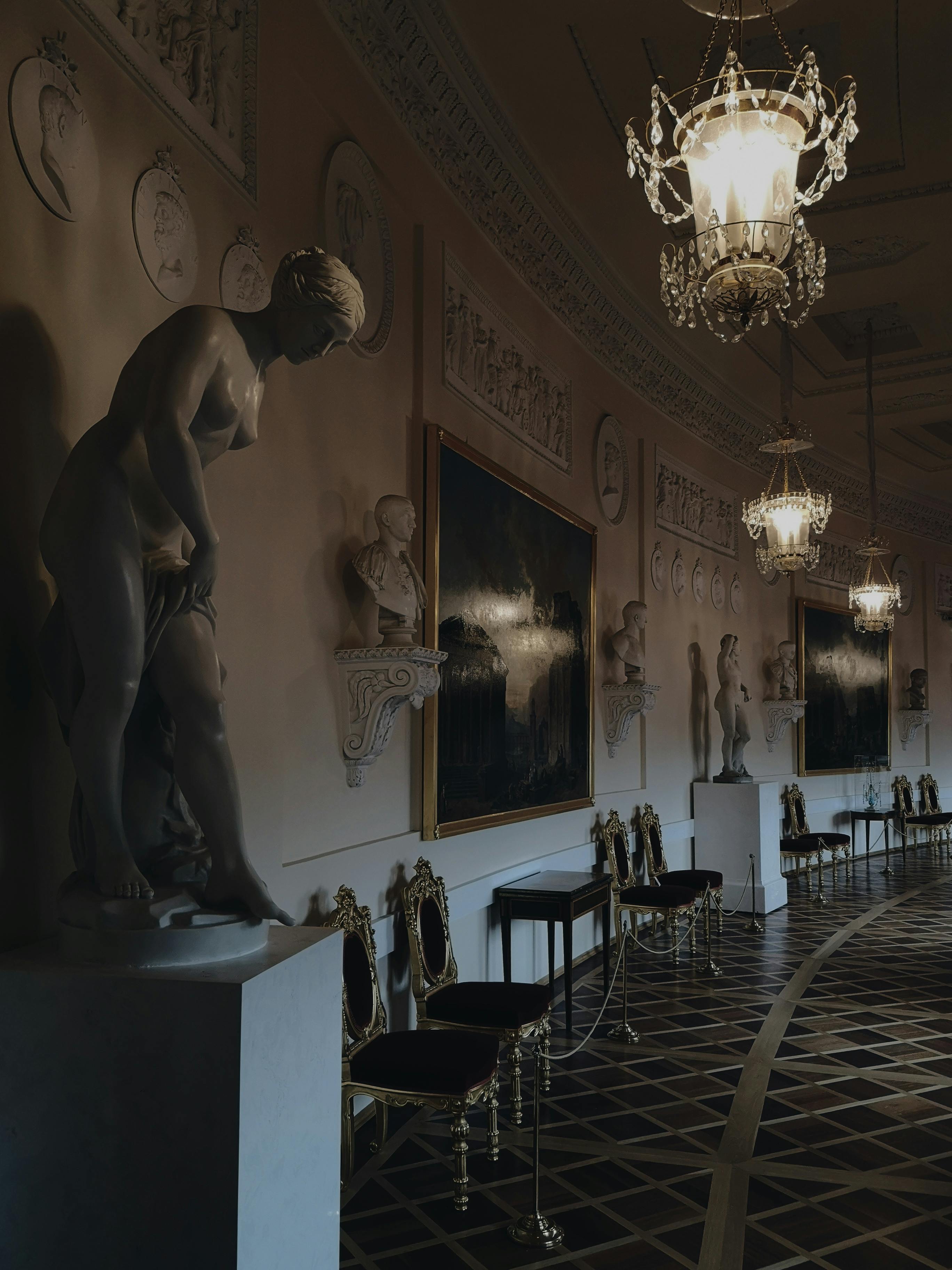
This Photo was taken by Ekaterina Astakhova.
Lighting design that preserves while it presents
Museum-quality lighting balances two competing demands: showcasing artwork at its most beautiful while minimizing photochemical damage from light exposure. This requires sophisticated understanding of conservation science combined with advanced lighting technology.
LED lighting systems have transformed gallery illumination. Unlike traditional incandescent or fluorescent lights, LEDs produce minimal heat and can be precisely tuned to eliminate harmful ultraviolet and infrared wavelengths. Smart LED arrays adjust color temperature and intensity throughout the day, providing optimal viewing conditions while staying within conservation parameters.
Fiber optic lighting offers even more precise control for the most sensitive pieces. These systems generate light remotely and transmit it through fiber cables, eliminating heat generation near artwork entirely. Individual pieces can receive customized illumination that brings out their finest details without risking long-term damage.
Dynamic lighting that adapts to collection needs
Advanced lighting control systems can create custom illumination profiles for different types of artwork. Oil paintings might receive warm, directional lighting that emphasizes texture and brushwork, while watercolors need diffused, cooler light to prevent fading. The same gallery space can transform its lighting character completely as collections change or rotate.
Daylight integration requires particular expertise in private gallery design. While natural light provides the most accurate color rendering, it also poses the greatest conservation risk. Motorized UV-filtering window treatments, automated blinds, and daylight sensors work together to harness beneficial natural illumination while blocking harmful rays.
| Artwork Type | Maximum Light Level (Lux) | Recommended Exposure Hours/Year | UV Filter Requirements |
|---|---|---|---|
| Oil Paintings | 150-200 | Unlimited | 95% UV filtration |
| Watercolors | 50 | 150,000 lux-hours | 99% UV filtration |
| Photographs | 50 | 15,000 lux-hours | 99% UV filtration |
| Textiles | 50 | 15,000 lux-hours | 99% UV filtration |
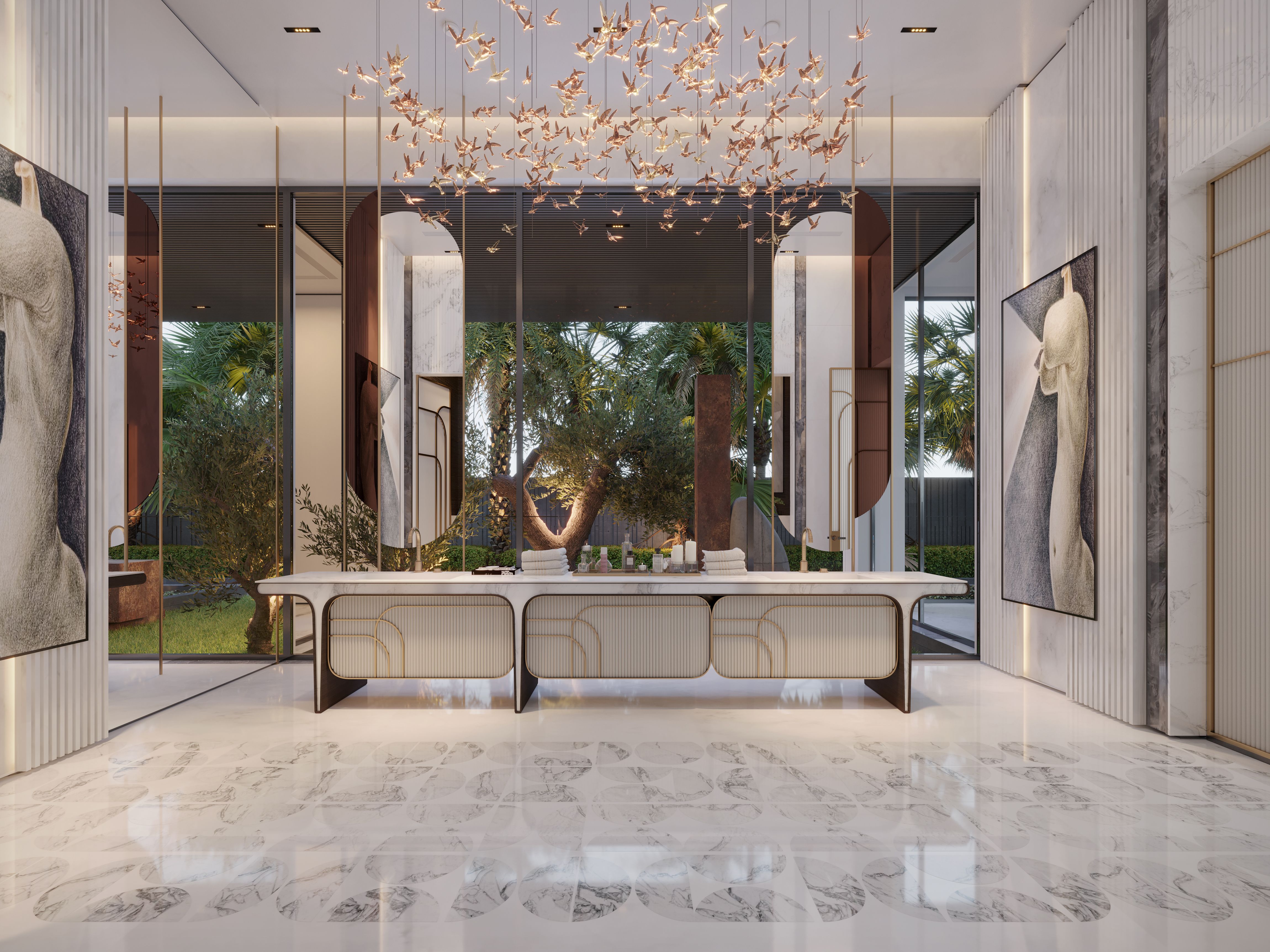
This Photo was taken by Essentia Media.
Architectural elements that define museum-quality spaces
The physical architecture of private galleries must address factors rarely considered in residential design. Wall construction, flooring materials, and ceiling systems all impact the conservation environment while supporting the weight and security requirements of valuable collections.
Museum-standard wall systems incorporate multiple layers of environmental barriers. Vapor barriers prevent moisture infiltration, while thermal barriers eliminate temperature transfer from adjacent spaces. Interior finishes must be chosen for chemical stability, avoiding materials that off-gas acids or other compounds that could damage artwork over time.
Flooring selection goes beyond aesthetics to consider vibration control, chemical emissions, and maintenance requirements. Stone and properly sealed concrete provide excellent stability, while certain hardwoods can be acceptable if treated with museum-approved sealers. Carpeting is generally avoided due to dust retention and chemical treatments.
Structural considerations for serious collections
Large-scale artwork and sculpture place unique demands on residential architecture. Floor loading calculations must account for concentrated weights that far exceed standard residential requirements. A single bronze sculpture might weigh several tons, requiring specialized structural support and potential foundation reinforcement.
Ceiling height becomes critical for proper artwork presentation and lighting design. Minimum heights of 12-14 feet are standard for private galleries, with many installations requiring 16-18 feet for large-scale pieces. Higher ceilings also improve air circulation and provide space for sophisticated HVAC and lighting systems.
The same attention to architectural precision extends to other luxury spaces, such as professional-grade music studios where acoustic architecture demands similar specialized engineering expertise.
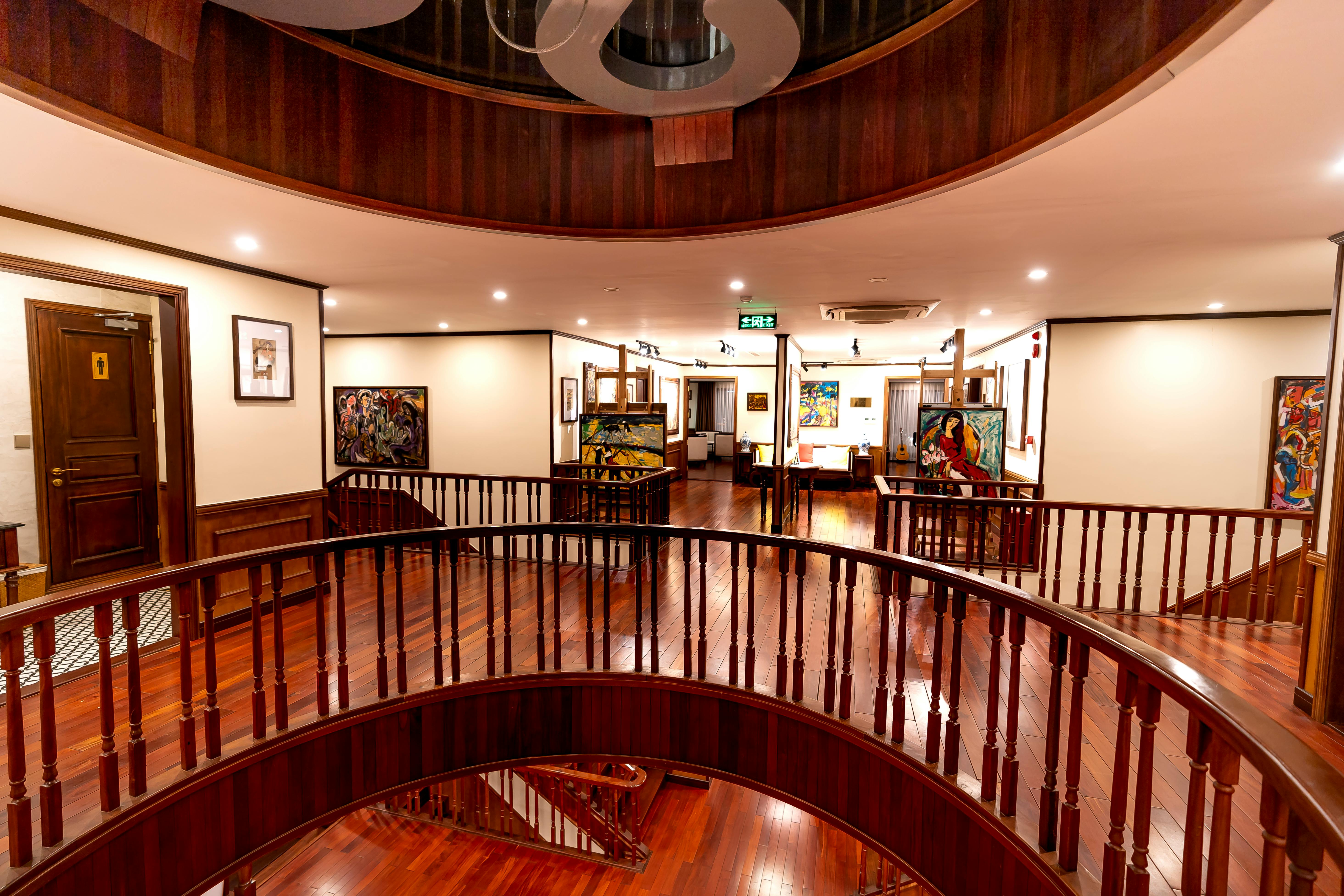
This Photo was taken by Quang Nguyen Vinh.
Technology integration that elevates the experience
Smart home integration transforms private galleries from static display spaces into dynamic, interactive environments. Advanced control systems allow collectors to adjust lighting, climate, and security settings from anywhere in the world, while providing detailed analytics about collection conditions and visitor access.
Digital cataloging systems have revolutionized collection management. High-resolution photography, detailed condition reports, and provenance documentation are stored in cloud-based databases accessible to collectors, insurance companies, and conservation specialists. These systems can generate automated reports for insurance purposes and schedule maintenance reminders for individual pieces.
Virtual tour capabilities allow collectors to share their galleries with other enthusiasts, scholars, and potential buyers without physical access to the space. 360-degree cameras and VR technology create immersive experiences that rival in-person visits while maintaining security and conservation protocols.
Automation that protects while you’re away
Travel-friendly automation systems maintain optimal conditions regardless of occupancy. Machine learning algorithms adapt to seasonal changes and local weather patterns, making predictive adjustments to maintain stability. Emergency protocols can isolate gallery spaces from the rest of the house if fire, flood, or security threats are detected.
Remote monitoring capabilities provide peace of mind for collectors who travel frequently. Smartphone apps deliver real-time status updates and instant alerts for any condition changes. Video feeds allow visual confirmation that collections remain secure and properly displayed.
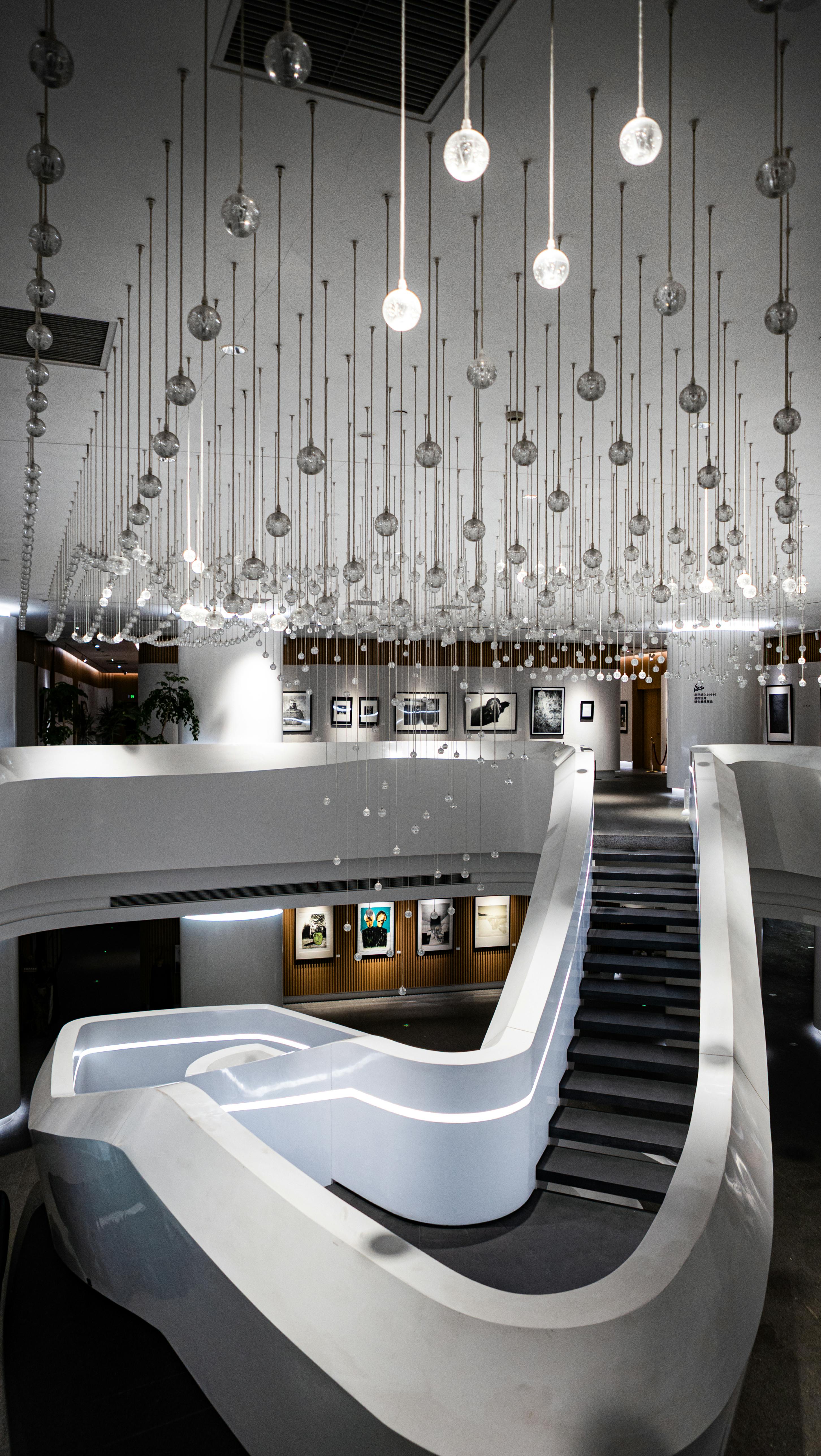
This Photo was taken by Klaus G.
Design aesthetics that honor both art and architecture
The most successful private galleries achieve a delicate balance between showcasing collections and creating beautiful spaces for daily enjoyment. Unlike institutional museums, these spaces must function as part of a home while maintaining professional conservation standards.
Neutral color palettes provide versatile backdrops for rotating collections. Warm whites, soft grays, and subtle beiges allow artwork to take center stage while creating inviting atmospheres for entertaining and contemplation. Some collectors choose darker tones for dramatic effect, particularly effective with contemporary pieces or sculpture.
Flexible display systems adapt to changing collections and new acquisitions. Museum-standard hanging systems hidden within wall construction allow easy repositioning without surface damage. Modular display cases and sculpture pedestals can be reconfigured as collections evolve.
Creating spaces that inspire while they preserve
Seating areas within gallery spaces require careful consideration of both comfort and conservation. Upholstery materials must meet museum standards for chemical stability, while placement ensures optimal viewing angles without compromising climate control zones. Many designers incorporate custom built-in seating that becomes part of the architectural composition.
Natural elements like those found in botanical conservatories can complement gallery spaces when properly controlled, though live plants require separate environmental zones to prevent humidity and pest issues.
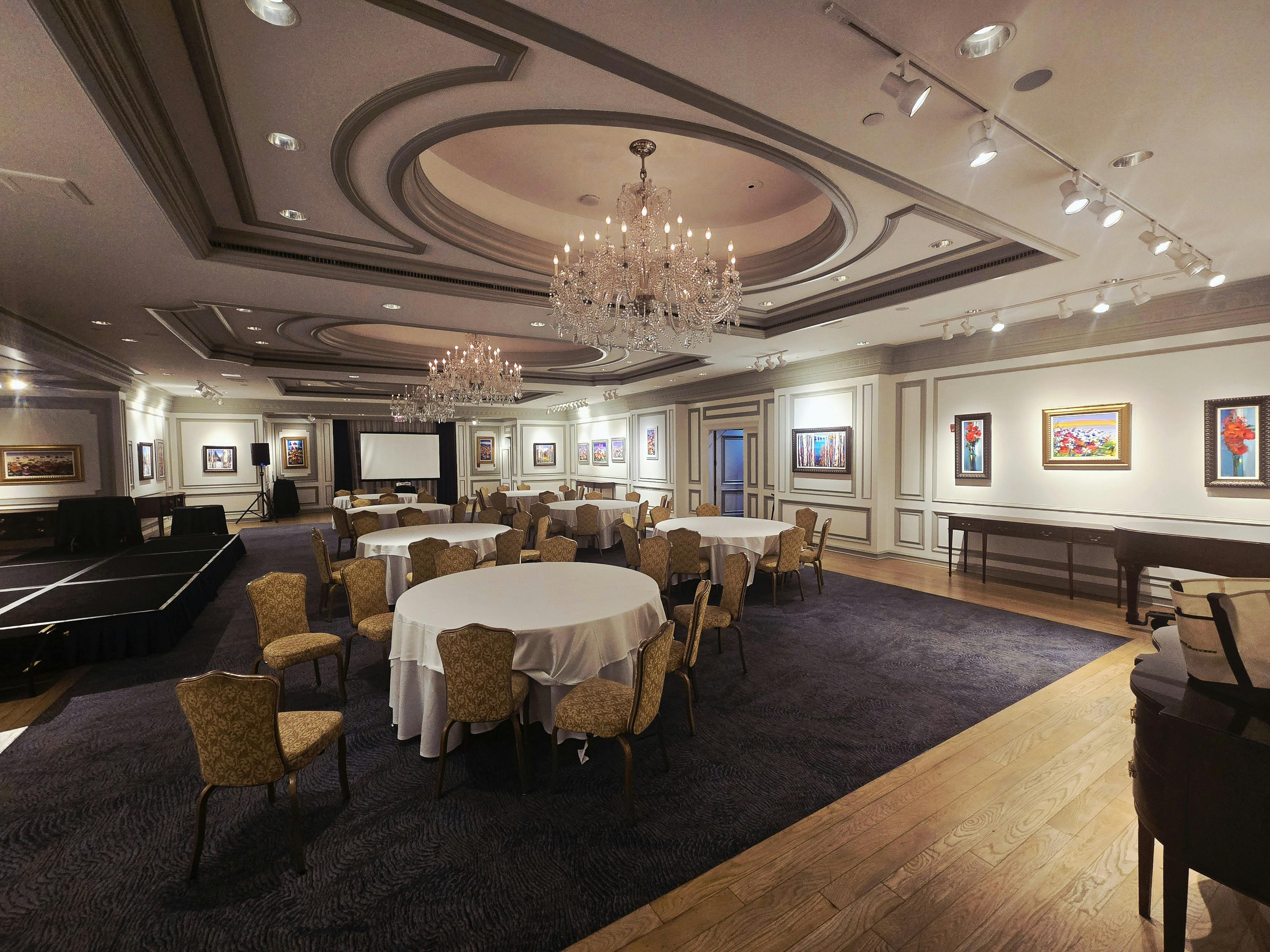
This Photo was taken by Kevin Early.
The investment perspective on museum-quality infrastructure
Creating a museum-standard private gallery represents a significant financial commitment, but serious collectors view this as essential infrastructure rather than optional luxury. The cost of proper conservation systems pales in comparison to potential losses from environmental damage or security breaches.
Insurance benefits often offset installation costs over time. Carriers offer substantial premium reductions for galleries meeting professional conservation standards. Detailed monitoring systems provide the documentation insurance companies require while reducing claim risks through preventive maintenance.
Resale value considerations make these installations attractive to luxury home buyers. Properties with professional-grade galleries appeal to a select but growing market of serious collectors willing to pay premiums for turnkey conservation infrastructure.
Long-term value preservation through proper stewardship
Artwork appreciation depends partly on condition preservation over time. Pieces maintained in museum-quality environments retain their value better than those exposed to residential conditions. For collections worth millions, the investment in proper conservation pays dividends through preserved market value.
Estate planning benefits include simplified succession processes when collections are properly documented and conserved. Professional conservation records facilitate accurate valuations and reduce family disputes over inheritance decisions.
Similar long-term value preservation principles apply to rare book libraries where climate-controlled environments protect literary treasures using comparable conservation science.
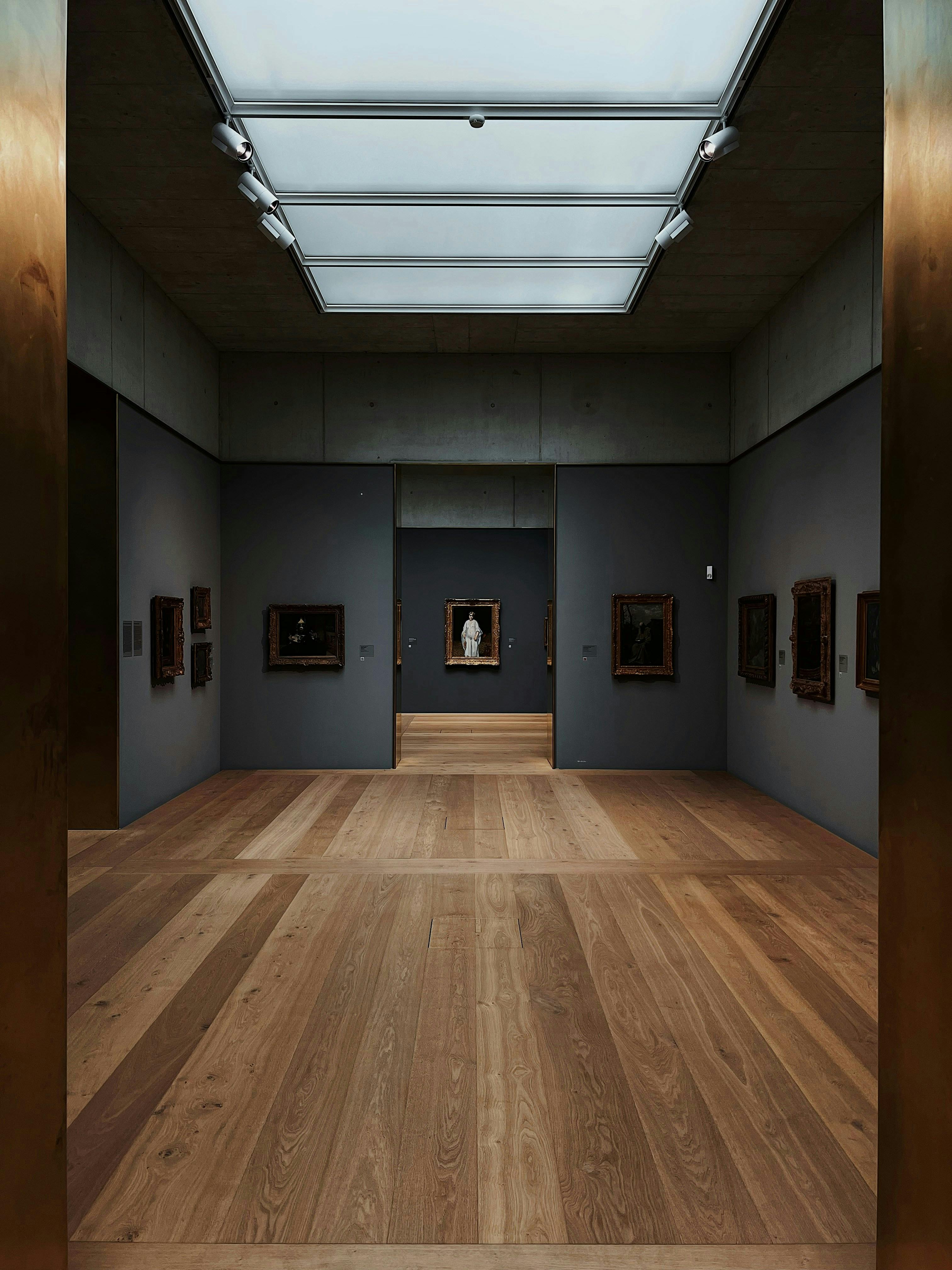
This Photo was taken by Ilia Bronskiy.
Working with the right professionals
Creating museum-quality private galleries requires a specialized team of professionals rarely involved in residential projects. Museum consultants, conservation specialists, and gallery designers bring institutional expertise to private settings.
Architects with museum experience understand the unique structural, environmental, and security requirements these spaces demand. They can navigate building codes that may not anticipate residential museum installations while ensuring compliance with conservation best practices.
Conservation scientists provide expertise in materials selection, environmental specifications, and monitoring protocols. Their involvement early in the design process prevents costly mistakes and ensures long-term collection preservation.
Ongoing maintenance partnerships for lasting success
Professional maintenance agreements ensure continued system performance and collection protection. Regular calibration of monitoring equipment, HVAC servicing, and security system updates require specialized knowledge and equipment.
Conservation assessments should be conducted annually by qualified specialists. These reviews identify potential issues before they cause damage while updating protocols as collections evolve. Documentation from these assessments supports insurance requirements and estate planning needs.
Professional relationships extend to other specialized spaces, such as executive offices where similar attention to environmental control and technology integration creates optimal working environments.
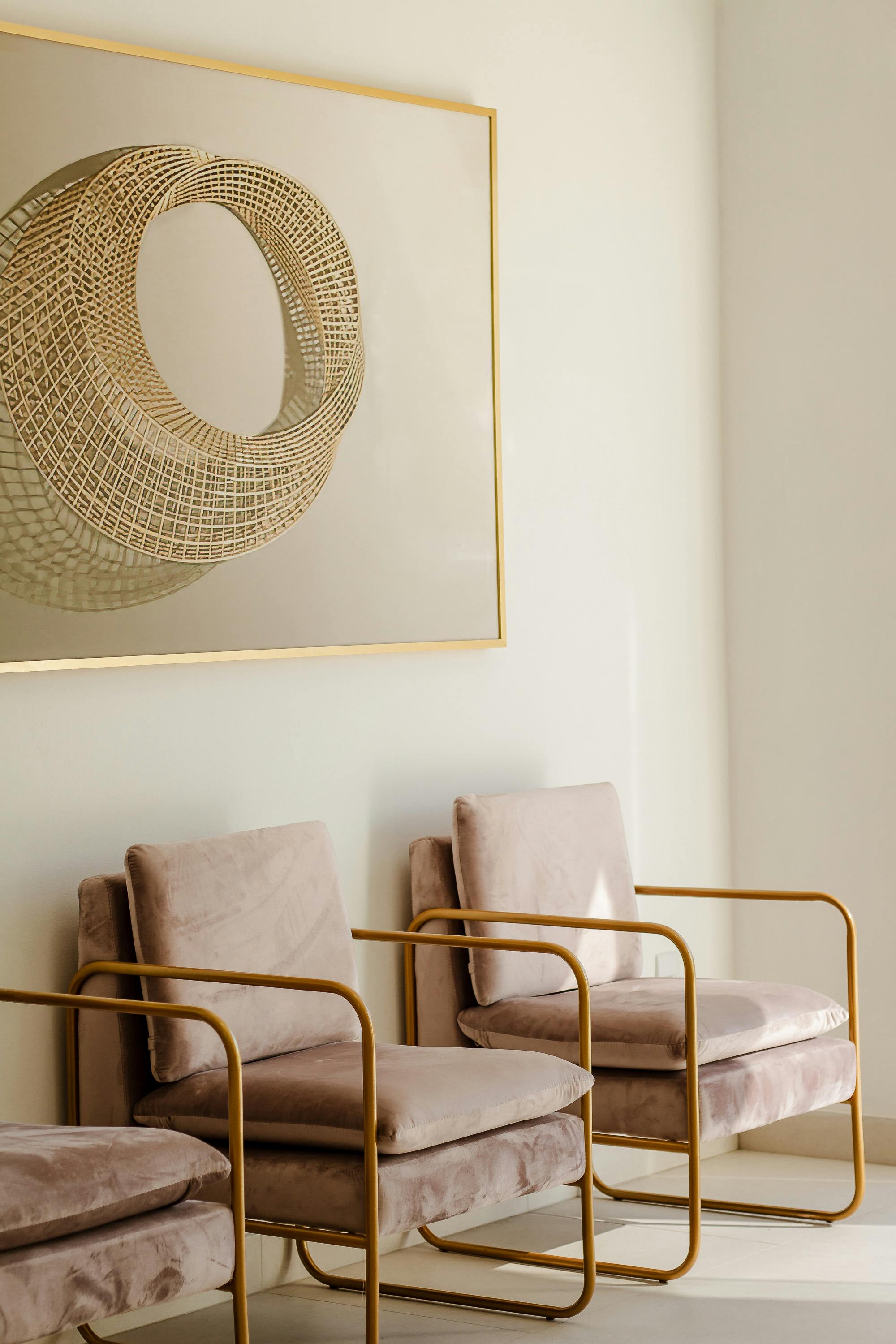
This Photo was taken by Maria Luiza Melo.
Future trends in private cultural spaces
The private gallery market continues evolving as technology advances and collector expectations rise. Artificial intelligence integration promises even more sophisticated monitoring and predictive maintenance capabilities. Machine learning algorithms will analyze environmental patterns and collection behavior to optimize conditions automatically.
Virtual and augmented reality applications are expanding beyond simple documentation to create immersive educational experiences. Collectors can provide visitors with enhanced information about artworks, historical context, and conservation techniques through AR overlays and VR presentations.
Sustainability considerations are driving innovations in energy-efficient conservation systems. Solar-powered monitoring devices, geothermal HVAC systems, and advanced insulation materials reduce environmental impact while maintaining museum-quality standards.
Integration with smart home ecosystems
Gallery systems increasingly integrate with whole-home automation platforms. Voice controls, mobile apps, and centralized dashboards provide seamless management alongside other luxury home features. These integrations must maintain security protocols while offering convenient access to authorized users.
Predictive analytics will transform collection management by identifying potential conservation issues before they manifest. Systems that analyze humidity patterns, temperature trends, and light exposure data can recommend preventive actions that preserve artwork indefinitely.
The integration principles learned from gallery design inform other luxury spaces, including private fitness studios where environmental control and monitoring technology create optimal training environments.
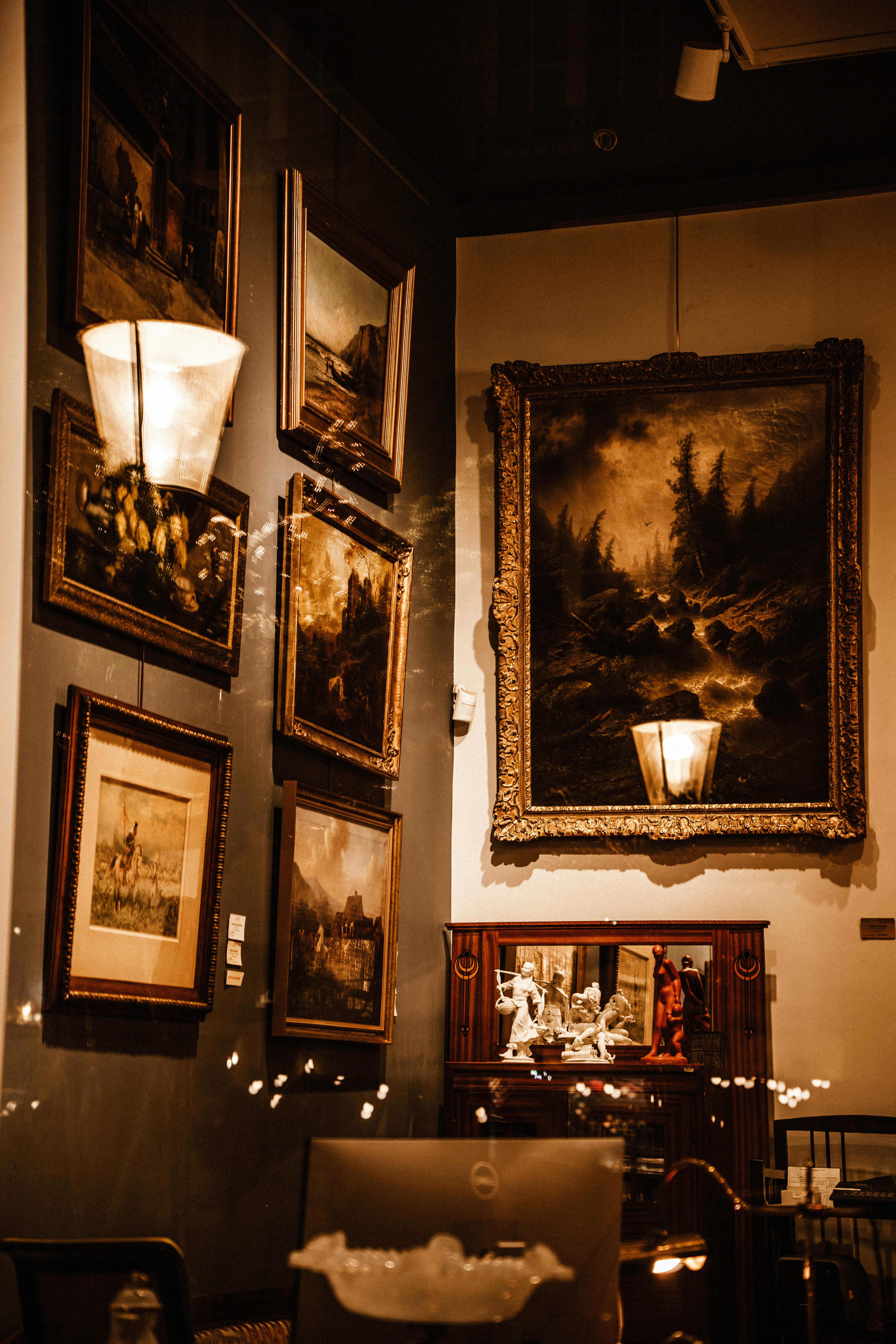
This Photo was taken by Katia Miasoed.
Frequently asked questions
What’s the minimum square footage needed for a museum-quality private gallery?
Professional private galleries typically require minimum 500-800 square feet to accommodate proper environmental zones, circulation paths, and viewing distances. Larger collections need 1,000-2,000 square feet or more, with ceiling heights of at least 12-14 feet for optimal presentation and lighting systems.
How much does it cost to install museum-quality climate control systems?
Complete climate control systems for private galleries range from $50,000-$150,000 for basic installations to $300,000+ for sophisticated multi-zone systems with redundant backup equipment. Costs depend on space size, local climate conditions, and precision requirements for specific collection types.
Can existing rooms be converted to museum-standard galleries?
Most rooms can be upgraded to museum standards, though costs vary significantly based on existing conditions. Structural modifications for proper insulation, HVAC integration, and electrical systems typically add 30-50% to new construction costs. Professional assessment determines feasibility and required modifications.
What insurance requirements apply to private museum-quality galleries?
Insurance carriers typically require professional appraisals, detailed security systems, environmental monitoring, and regular conservation assessments. Many offer premium discounts of 15-25% for galleries meeting museum standards. Documentation requirements include installation certificates and maintenance records.
How long does it take to design and build a private gallery?
Timeline for museum-quality private galleries ranges from 8-18 months, depending on complexity and existing conditions. Design development takes 2-4 months, permits and approvals 1-3 months, and construction 6-12 months. Specialized equipment may require additional lead times for manufacturing and calibration.
Do private galleries require special building permits?
Most jurisdictions treat private galleries as residential spaces, but security systems, specialized HVAC equipment, and structural modifications may require specific permits. Fire suppression systems for valuable collections often need special approvals. Professional designers navigate local requirements during the planning phase.
The cultural legacy of proper stewardship
Creating museum-quality private galleries represents more than luxury home design – it’s an act of cultural stewardship that preserves artistic treasures for future generations. These sophisticated spaces bridge the gap between institutional conservation science and personal passion, ensuring that privately held collections receive the same protective care as public museum holdings.
The investment in proper conservation infrastructure pays dividends beyond financial returns. Collectors who create these spaces become custodians of cultural heritage, protecting and sharing important artworks while maintaining their integrity for posterity. The integration of advanced technology, security systems, and environmental controls creates sanctuaries where art can be appreciated safely and sustainably.
As the private collecting market continues to mature, museum-quality galleries will become increasingly essential for serious collectors. The principles established in 2025 – precision environmental control, integrated security systems, and smart monitoring technology – set new standards for cultural preservation in residential settings. These spaces honor both the artistic legacy they protect and the vision of collectors who understand that true luxury lies in preserving beauty for generations to come.
The future belongs to those who recognize that collecting art is ultimately about creating lasting cultural value, and museum-quality private galleries provide the perfect foundation for that important work.